Silly season: How did the football transfers game get so Messi?

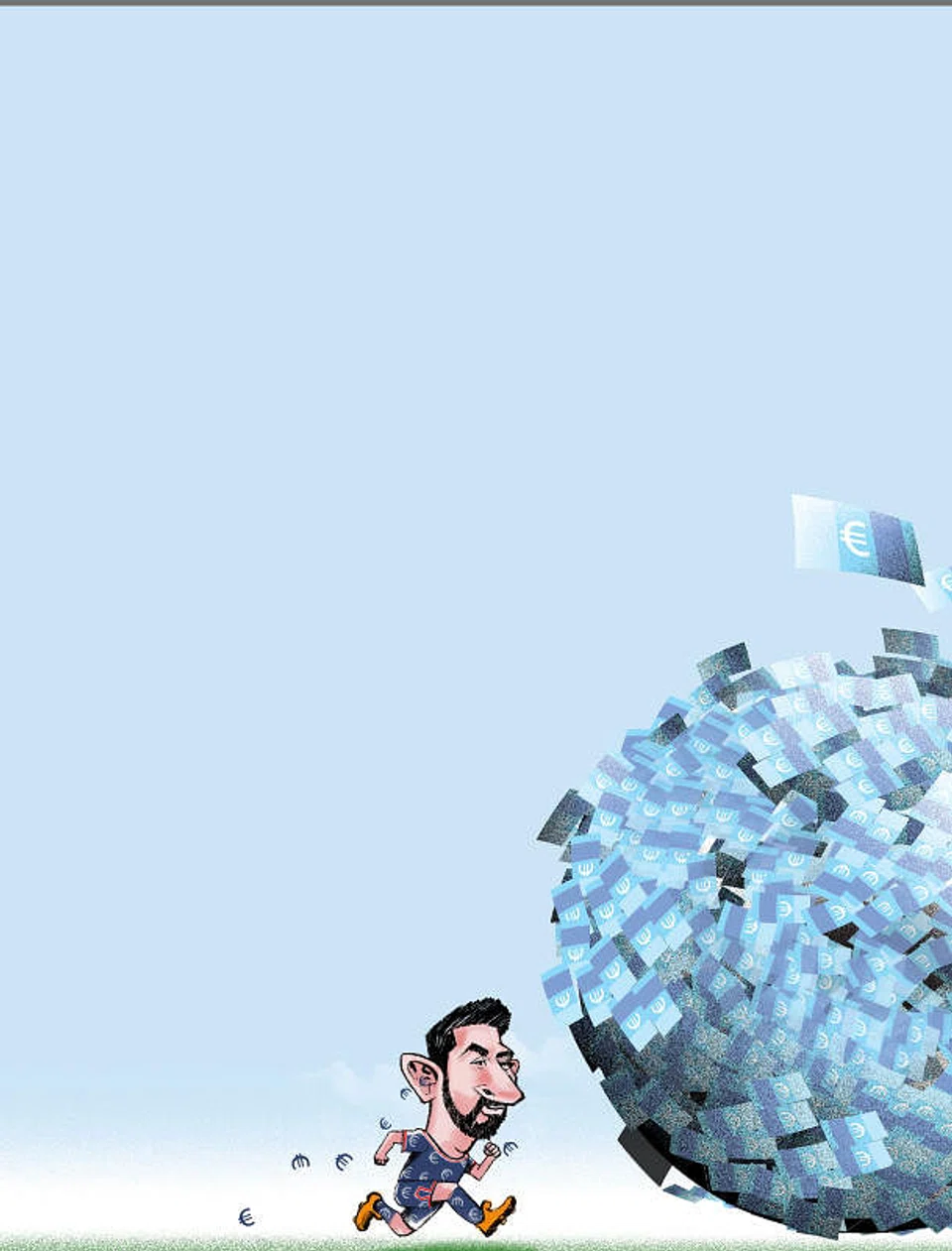
The world's most valuable football team can no longer afford its most valuable player. We look at how the football player transfer market works.
Published Fri, Aug 27, 2021 · 09:31 AM

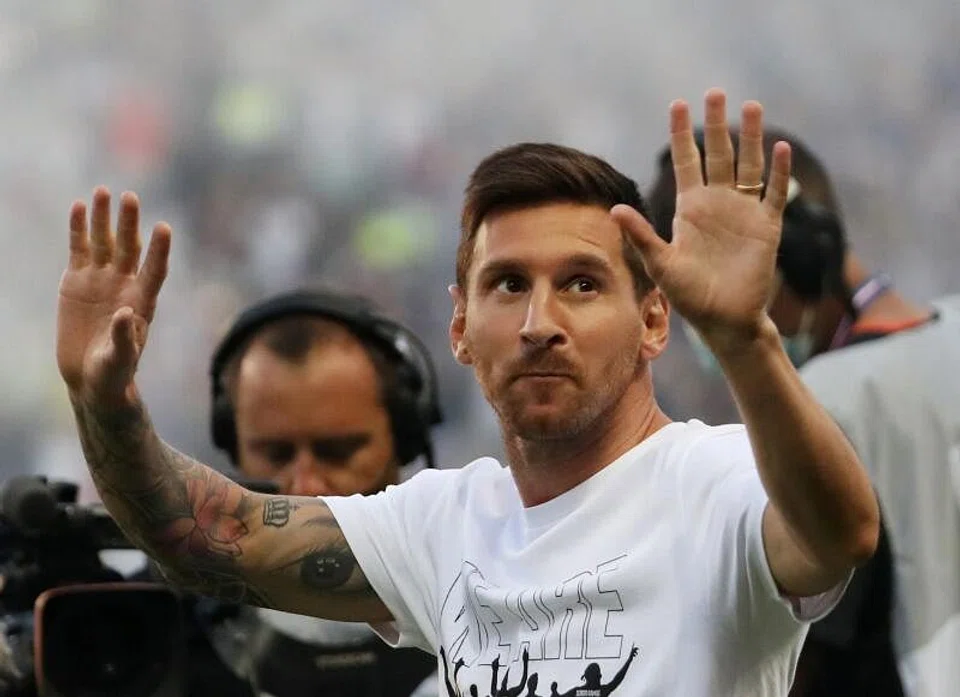
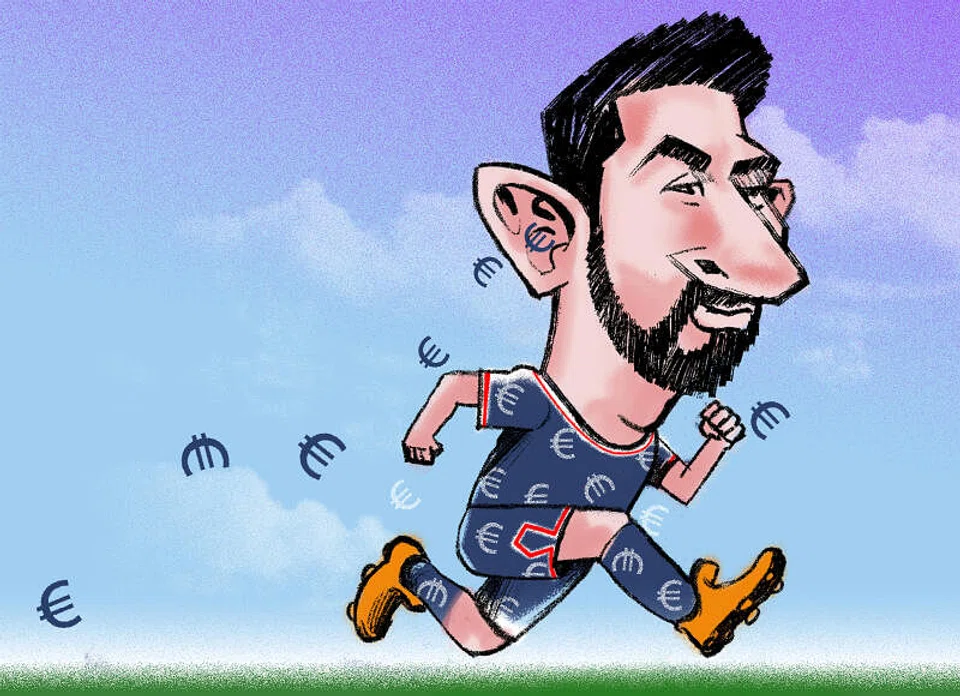
    HE cried, his fans wept and the football world was left in consternation. After 21 years at Spanish giant Barcelona, Lionel Messi bade farewell and flew to France to join Paris Saint-Germain (PSG) earlier this month in a move that made headlines all around the world. With 672 goals in 778 games and 34 trophies during his stint at Barcelona, Messi is by far one of the most recognisable and popular athletes today.

    The six-time winner of the Ballon d'Or turned into the world's most desirable free agent on June 30, when his contract expired and Barcelona said they could no longer afford to keep him, even after a pay cut, under La Liga salary rules. Barcelona president Joan Laporta said trying to keep Messi was a "risk" investment that would have hurt the club for years to come.

    So at the age of 34, Messi signed a two-year contract with PSG with an option for a third year.

    Messi's last deal at Barcelona was reportedly worth an eye-popping 515,000 euros (S$820,000) a week. PSG is now paying him 729,000 euros a week - which works out to 104,000 euros a day, 8,680 euros per hour or 144.68 euros per minute. On top of that, Messi also pocketed a 25 million-euro signing-on fee.

    No matter Messi's reputation in the sport, "obscene" would be the best word to describe his salary in the French capital. And he is hardly alone; in the league of extraordinary footballers, it speaks volumes that a £100 million (S$185 million) transfer fee no longer raises eyebrows.

    Today's most valuable players earn as much (or even more) in their weekly wages as the world's top chief executives. But the clubs that employ these players are not exactly enjoying the best returns on their investments.

    Barcelona posted a loss of almost 100 million euros in the 2019/20 season, and is expected to record a bigger loss of 487 million euros for the 2020/21 campaign. It is now saddled with over a billion euros in debt and has hired Goldman Sachs to help refinance its debt.

    Just how did the Beautiful Game get to this crazy money state?

    In the beginning, there was a football player transfer market

    The concept of a football transfer first came into existence in England sometime after 1885, after The Football Association (also known as the FA) introduced a player registration system to recognise professionalism and control players. Before that, a player could play any number of matches for any football club.

    With a system in place, a player registered with a club was not allowed to play for another club during the same season without the permission of the FA and the club that held his registration.

    The transfer system remained unchanged until the Bosman ruling, named after Jean-Marc Bosman, a former Belgian footballer who in 1990 was registered with Belgian Cup winners Standard Liege.

    His contract had expired and he was looking to move to Dunkirk, but the French team refused to pay the £500,000 fee that Liege were asking for.

    Bosman was left in limbo with his wages cut by 75 per cent because he was not playing. After a lengthy legal battle, he won his case in December 1995 when the European Court of Justice ruled that players should legally be free to move elsewhere when their contract expired.

    The Bosman case also changed teams' intake of foreign players. Before the ruling, clubs throughout Europe were limited to the number of foreign players they could employ, and could only field a maximum of three in European competitions. The ruling ensured a team could choose to play an entire team of 11 foreign players if it wanted, as was the case when Chelsea became the first team to do so.

    By 2007, the percentage of foreign players in England and Germany had reached 57 per cent, compared with 39 per cent in Spain and France. The last team to field an all-English starting line-up was Aston Villa in 2011.

    The transfer market is the arena in which footballers are available for transfer to clubs.

    The European transfer market is open between the end of the season and Aug 31, and again for a short period in mid-winter, commonly known as the transfer window.

    During this window, clubs buy replacements for injured players or strengthen their squads in preparation either for an attempt to advance in a tournament or in anticipation of an upcoming struggle against relegation.

    Each national football association decides on the dates of the window but it may not exceed 12 weeks. The second registration period occurs during the season and may not exceed four weeks. This mid-season window, usually in January, was introduced in response to negotiations with the European Commission.

    The system was brought into compulsory effect by Fifa during the 2002-03 season.

    So, it's a job market for football players?

    It is a job market for footballers, as the game makes for their full-time careers and remuneration. Apart from the value of wins for their clubs, players also provide entertainment value to a global audience. An additional source of revenue comes from how players indirectly help sell club merchandise, especially the jerseys with their names emblazoned.

    There are three kinds of people in the business of introducing footballers to clubs: scouts, analysts and agents.

    Scouts are generally attached to clubs, and spend their lives trekking around football pitches. They help club management in straightforward haggling, arriving at a figure after careful consideration of many factors such as how much money buyers and sellers have, how much time is left on a player's contract, whether the player has an obvious replacement, and the sort of wages a player would start on.

    Analysts too tend to be employed by clubs, but where the scout looks for information on football pitches, analysts look to the numbers, carefully mining statistical nuggets such as if the player - apart from talent and ability - runs more than other players.

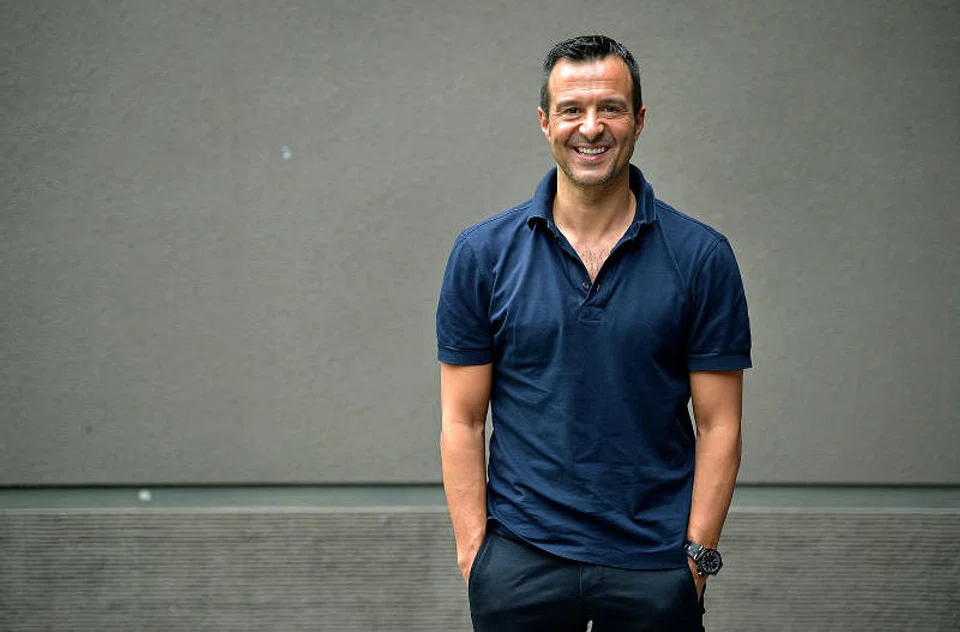
    Agents are usually unaffiliated to clubs but represent the interests of individual footballers. One of the top agents is Jorge Mendes, whose GestiFute agency counts among its clients Cristiano Ronaldo, Jose Mourinho and James Rodriguez.

    In the transfer market, there are players of various standards and clubs distributed in a similar fashion.

    If a player is not good enough, he will move to a smaller club; if he's too good, he will move to a better one.

    Here's how a basic transfer works. Club 1 has a player. Club 2 wants a player. Club 2 and Club 1 agree on a price, the player and Club 2 agree on his wages. The player's registration is transferred from Club 1 to Club 2, and he signs a new contract.

    There's more to the money than just a transfer fee, which itself is frequently broken into a series of payments over a few years.

    Players receive signing-on bonuses from the club they are joining, and sometimes also loyalty bonuses from the club they are leaving. Then there are other clauses that can be inserted by various parties, including selling-on fees, where the selling club gets a cut of any future transfer, and buyback clauses, which allow the selling club first option on a return, often for a set fee.

    Lower down the leagues, there may not be any money involved at all. In 1989, Gary Pallister joined Manchester United from Middlesbrough for £2.3 million; five years earlier, he had joined Middlesbrough from lower-tier club Gillingham Town in exchange for some match kits, a bag of footballs and a goal net.

    The alternative to a permanent transfer is a loan deal, in which a player remains contracted to his club but spends some time - anywhere from a few weeks to a couple of seasons - playing for another club.

    Short-term loans tend to be used for emergency cover during an injury crisis, while longer deals are used either to help young players develop, or move on players who are unable to find a permanent new home.

    The latter are particularly beloved of big clubs, who are able to stockpile young prospects and then farm them out on loan. Last season, for example, Chelsea had 27 players out on loan, 20 of whom were aged 21 or under.

    The fee is worked out in one of two ways. Many players will have a buyout clause in their contracts, which states that any bid of a certain amount must be accepted. Wages are determined pretty much the same process, except it's the agent and the buying club doing the haggling.

    How did the movement of players become so expensive, and where do clubs find the money to pay them?

    Trevor Francis became Britain's first £1 million transfer in 1979 when Nottingham Forest snapped him up from Birmingham City.

    Earlier this month, Manchester City paid Aston Villa £100 million for England midfielder Jack Grealish's signature. In 2017, PSG prised Brazil's Neymar away from Barcelona for 222 million euros, smashing the world record for the most expensive transfer.

    How did these numbers balloon?

    Former Manchester United manager Alex Ferguson infamously said "all hell broke loose" after the Bosman ruling, as players could choose to see out contracts and move for free, with their employers gaining nothing.

    The subsequent rise of football agents, eyewatering TV broadcast rights agreements, and the emergence of oligarch club owners and state-sponsored teams transformed the transfer market.

    Agents became necessary for players to negotiate increasingly intricate deals, and clubs decided to draw up longer-term agreements with "tie-him-down" clauses and lucrative signing bonuses. Assets were sold well before their contracts expired at hugely inflated prices - Manchester City reportedly contemplated paying Tottenham Hotspur a staggering £150 million for Harry Kane.

    While that deal has fallen through, Real Madrid have already had a 160 million euro bid for French ace Kylian Mbappe rejected, and an almighty tussle may well ensue, with astronomical sums bandied about if the Spanish giants return with an improved price and City come in with a late, late bid as the English champions desperately look to land a world-class striker.

    With interest in La Liga, Serie A and the English Premier League (EPL) especially spiralling upwards over the last few years, TV broadcast rights have also exploded.

    Earlier this year, the EPL announced a renewed £4.8 billion TV rights deal that will run till 2025, sports streamer Dazn agreed a 2.5 billion euro deal for Italy's Serie A rights from 2021 to 2024, and the current deal with La Liga is estimated to be worth around £1 billion a year.

    With the game awash in money and perennially in the spotlight, football has become the playground for the ultra-rich like Chelsea's Russian owner Roman Abramovich, Arsenal's American owner Stan Kroenke, and Inter Milan's Chinese supremo Zhang Jindong. The Abu Dhabi ruling family and the Qatari royals use Manchester City and PSG to generate prestige, influence and leverage.

    These mega-rich owners seek out the best players for the fame and prestige, and cost is sometimes secondary.

    According to the 2020 Forbes ranking of the highest-paid footballers, Messi is said to be No 1 with US$126 million (salary US$92 million, endorsements US$34 million), nudging out Juventus star Cristiano Ronaldo's US$117 million package a year. Neymar comes in at US$96 million and Kylian Mbappe at US$42 million.

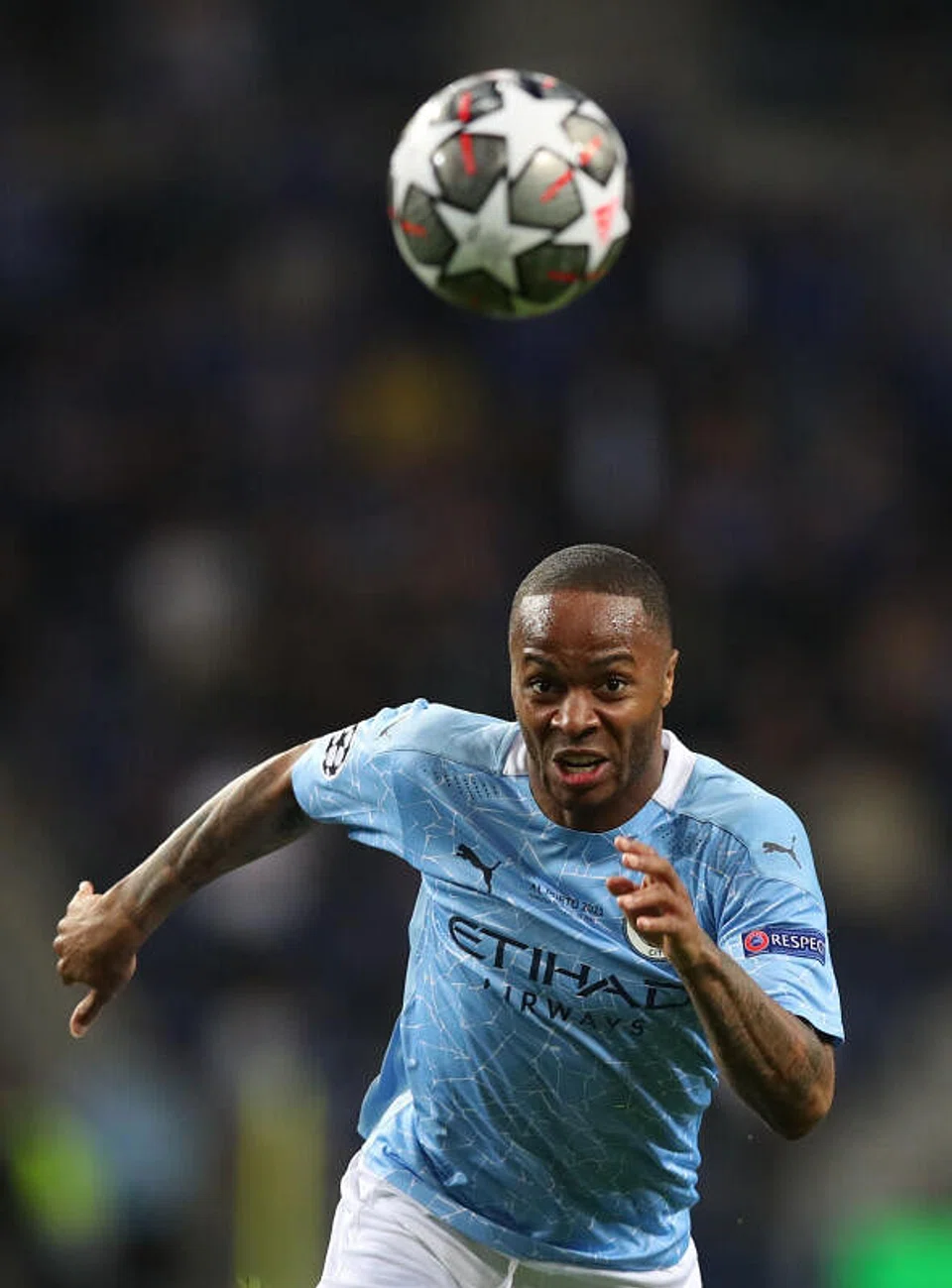
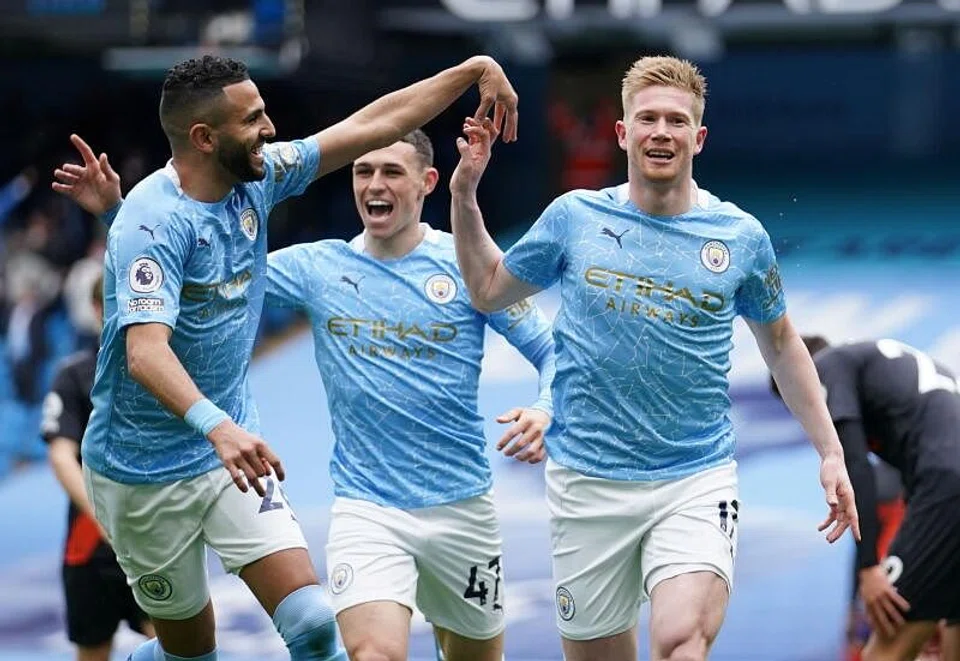
    In the EPL, it is said that the highest-paid player in 2020 was Manchester City's Kevin de Bruyne at £385,000 per week (a princely sum of £55,000 per day for the Belgian), closely followed by Manchester United goalkeeper David de Gea and Manchester City's Grealish, both at £370,000 per week each. Manchester City winger Raheem Sterling is the highest-paid native player of the EPL at US$417,000 per week.

    The average EPL player earns about £3 million a year and pays about £1.4 million in taxes and national insurance.

    Why do clubs give up players?

    There are several reasons. Of course, playing form is a big determinant. Sometimes, after players are signed for a big fee, their form in the new environment drops to a point that the manager finds the player of little value to the squad.

    So he finds himself mostly on the substitutes' bench or completely out of the line-up. This frustrates both the player and the manager, and he is either sent on a loan move to another club or is put on the transfer market, also taking into account his tenure of contract.

    Sometimes the player does not fit into the manager's tactical plans and finds that he is not delivering on the promises. So he seeks a move through his agent, if he has one.

    Another reason could be that he does not click with his new teammates on the field and disappoints when it comes to form.

    One such player last term was Manchester United's Jesse Lingard. His form was disappointing, but when he was sent on loan to West Ham, he started scoring and creating goals again and turned into one of West Ham's best players. He is now back with United this season.

    Will the transfer bubble burst?

    The enormous sums of money being spent will be, if not already, a big financial drain on the clubs which have to look after the whole squad, which can grow up to 30 players or more.

    Unless the player can produce consistently strong performances, the club will have to worry. It also needs regular income through prize money, gate collections and sponsorship.

    Prize money comes from doing well in big tournaments like the Champions League, while gate collections depend on match attendance, which could fall if the team is not doing well. The size of the stadium also matters, and that is why successful clubs consider building high-capacity venues to sell more tickets and season passes.

    Sponsorship is also a big deal, as companies and organisations monitor the fortunes of clubs and piggyback on the most successful clubs.

    Manchester United recently agreed to a five-year deal with Team Viewer to become their principal shirt sponsor from the 2021-22 season.

    TeamViewer, a remote software firm, will replace auto manufacturer Chevrolet, which was the shirt sponsor since 2014. The club's other global sponsors include Adidas, Kohler, Aeroflot, Apollo Tyres, Canon, Cadbury and others.

    Still, this big money game will sooner or later hit a brick wall. For troubled Barcelona, lower revenues have almost halved its threshold to spend on talent, a Bloomberg report showed.

    Their main rivals Real Madrid have a little more leeway, with Bloomberg putting their threshold reduction at 26 per cent as players there agreed to a 10 per cent wage cut. It remains to be seen what will give and when.