

Singapore Social

Paige Lim
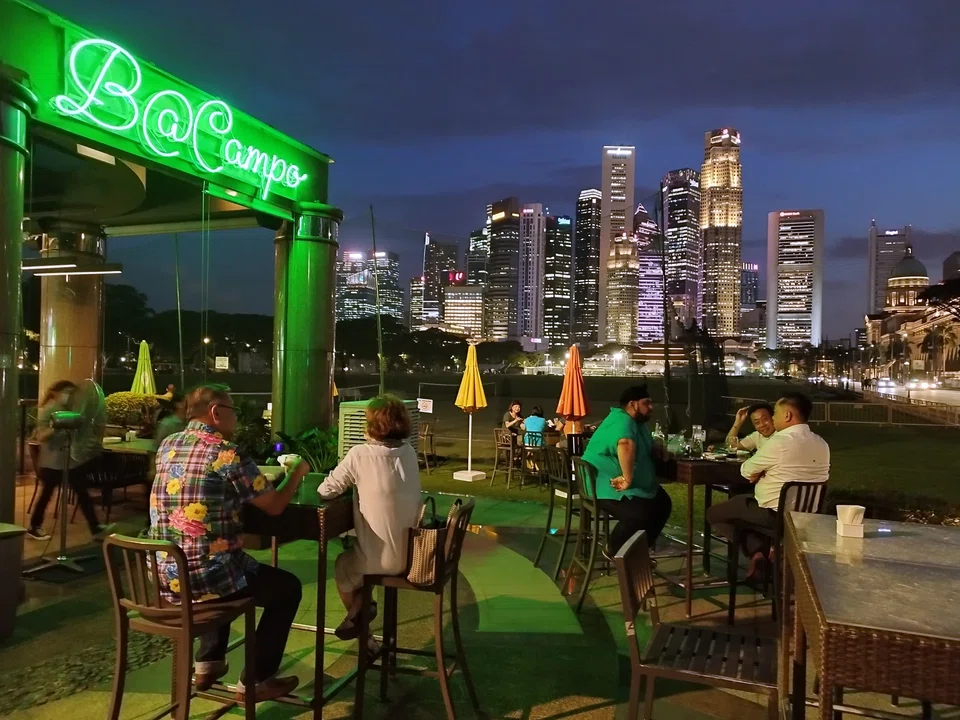

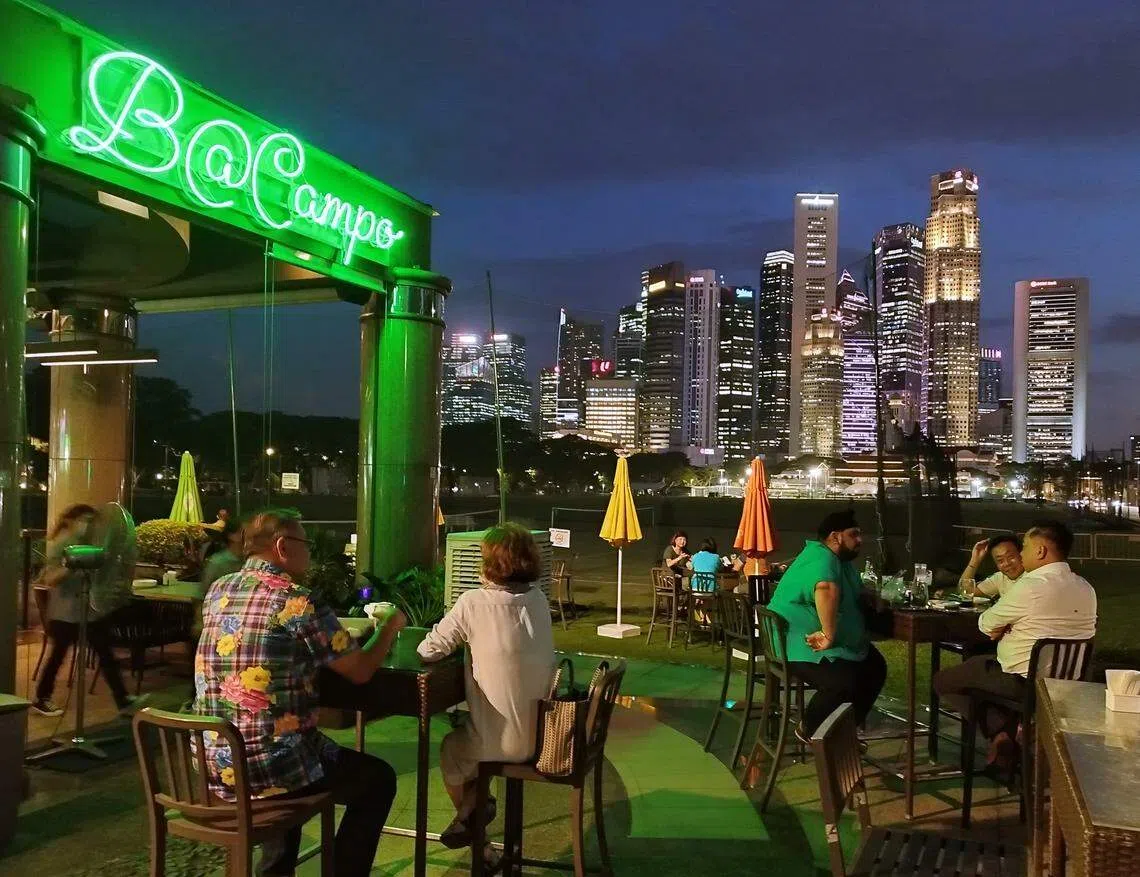
ON AN open lawn, a group of middle-aged men are engaged in deep chatter, clinking glasses of whiskey around a barrel-mounted tabletop. Before them stretches the vast expanse of the Padang and a panoramic night view of the Singapore skyline.
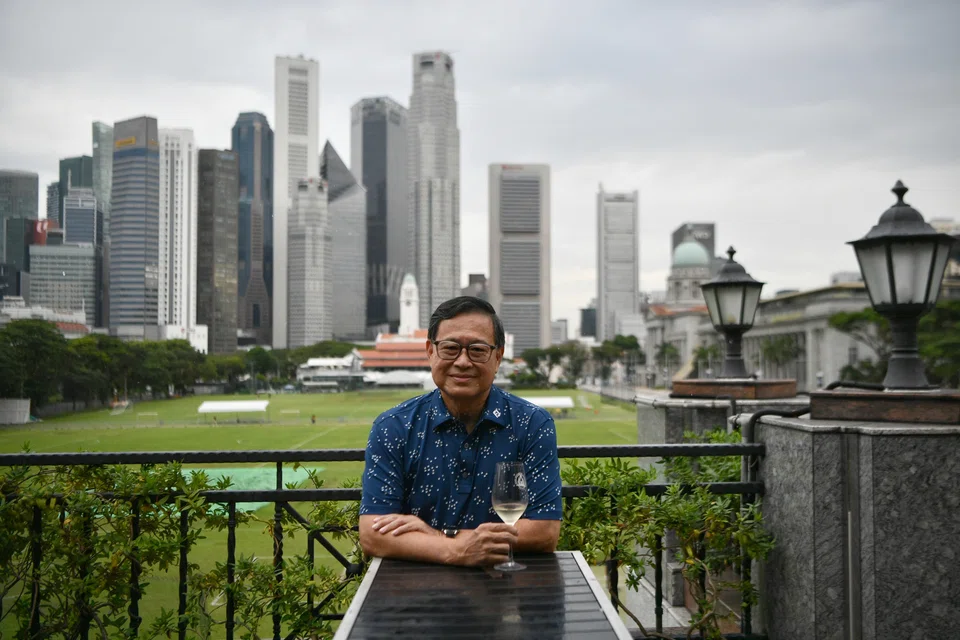
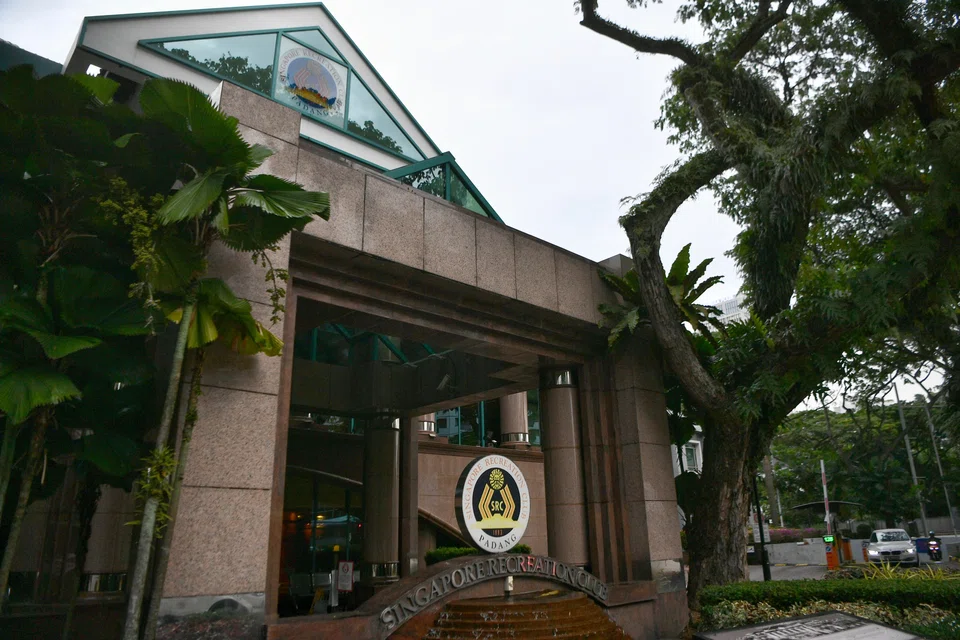
It’s a scene of quiet conviviality on a Monday evening at the Singapore Recreation Club’s (SRC) B@Campo bar. But the club’s new president, Chang Yeh Hong, wants to liven up the place a little more.
“We’ve been sleepy for far too long. In order for this club to be vibrant again, we need to bring in new blood,” said Chang.
About 60 to 70 per cent of SRC’s 5,000 principal members are in their late 50s to 80s. Chang ultimately hopes to have half of SRC’s membership being under 45 – up from less than 15 per cent today.
That’s one of the key missions of the club’s new management committee, fresh off hotly contested elections in May. This planned rejuvenation follows the renewal of the club’s land lease this January, allowing it to remain at its Connaught Drive location for 30 more years.
Said Chang: “We want to transform the club and make it more relevant. We need to evolve – if we don’t, we won’t be able to attract a younger demographic of people.”
No shortage of members
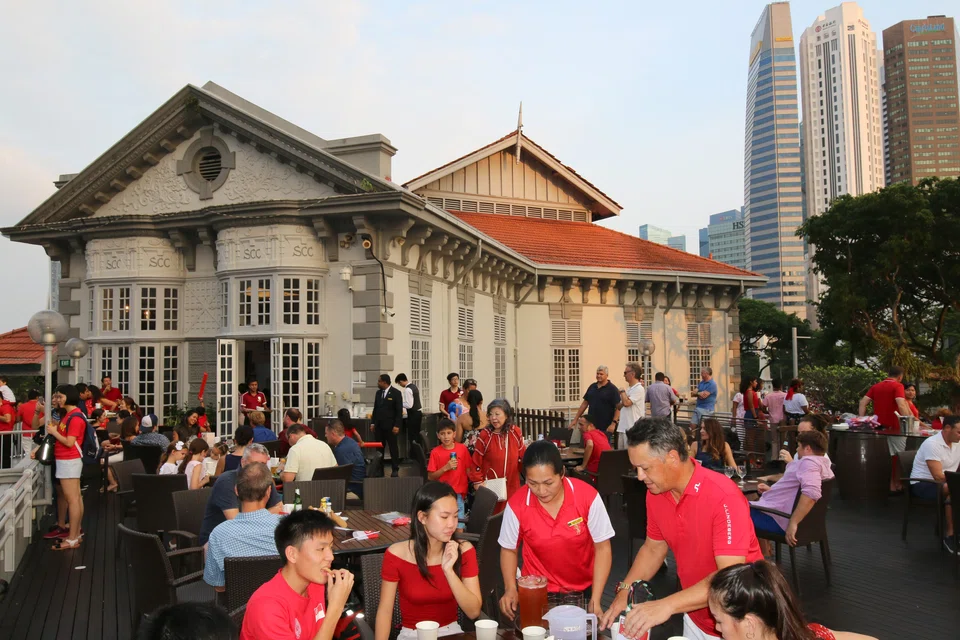
With nearly 140 years of history, the SRC is one of Singapore’s oldest social clubs. It stands alongside others founded in the colonial era, including the Singapore Cricket Club, Tanglin Club, Singapore Swimming Club, the American Club and the Swiss Club.
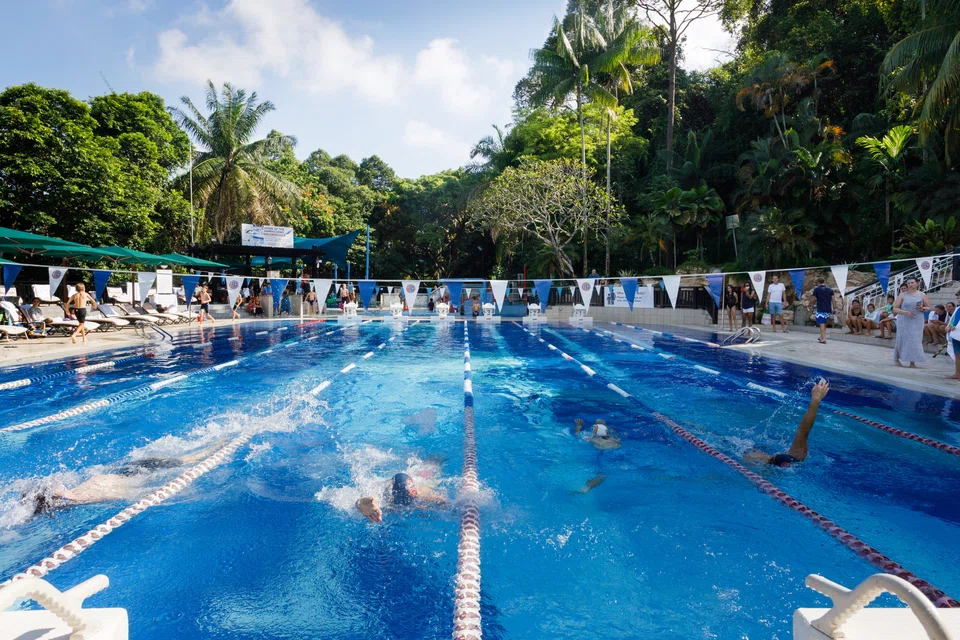
Housed in premises of their own, these social clubs resemble country clubs in providing amenities such as sports facilities and restaurants, but differ in not having golf courses.
Most are members-owned, meaning members have voting rights at general meetings and a say in the club’s decision-making process.
Established social clubs interviewed by The Business Times report steady membership growth in the last few years, with some saying that the pandemic sparked more interest in applications.
The British Club has experienced a resurgence in membership since 2019, said general manager Andrew Christon: “With Covid-19, everybody wanted to join a club because they couldn’t travel.”
For its current financial year, the club is set to beat its FY2021 record of 262 new members, and is on track to see over S$2 million in joining fees. For the past 10 years, it has seen an average annual 25 per cent increase in Singaporean members, who are now the second most represented nationality.
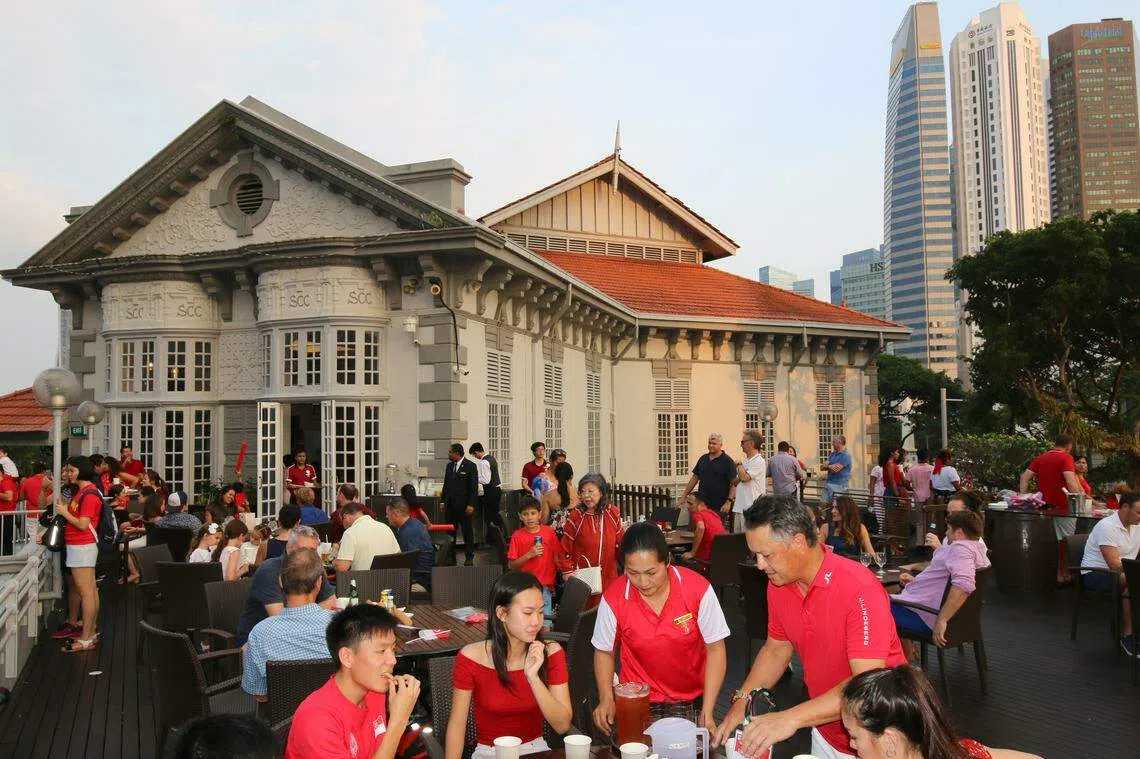
The Singapore Cricket Club’s membership numbers have not risen dramatically – at 5,912 in 2021, compared to 5,805 in 2015 – but the value of membership has. While an ordinary transferable membership transacted for about S$17,000 in 2015, a new membership today can fetch up to S$23,000, said its president Zoher Motiwalla.
Tanglin Club has consistently hit its ceiling of 4,000 ordinary members for the past 10 years, said president Yeoh En Lai. The club has a “healthy” waiting list, with some people having even waited between 10 and 15 years to be admitted, he added.
Staying fresh and relevant
Social clubs told BT that the regular upgrading of facilities and refreshment of food and beverage (F&B) offerings go a long way in retaining and attracting members. The largest revenue drivers for clubs are typically subscription fees, transfer fees and F&B operations, they said.
The British Club will spend S$10 million to upgrade its clubhouse across the next 4 years, to ease “existing pressure” on its facilities from its growing membership, said Christon.
This includes its biggest development project since 2000: an expansion of its sports centre with more tennis courts and multi-purpose courts, among other refurbishments, to ensure the club remains competitive with its sports offerings.
“When people see that you’re reinvesting into the club, you win their confidence. For some clubs that are not doing very well, it is often because they are run down and don't reinvest in the facilities. It’s a downward spiral,” he said.
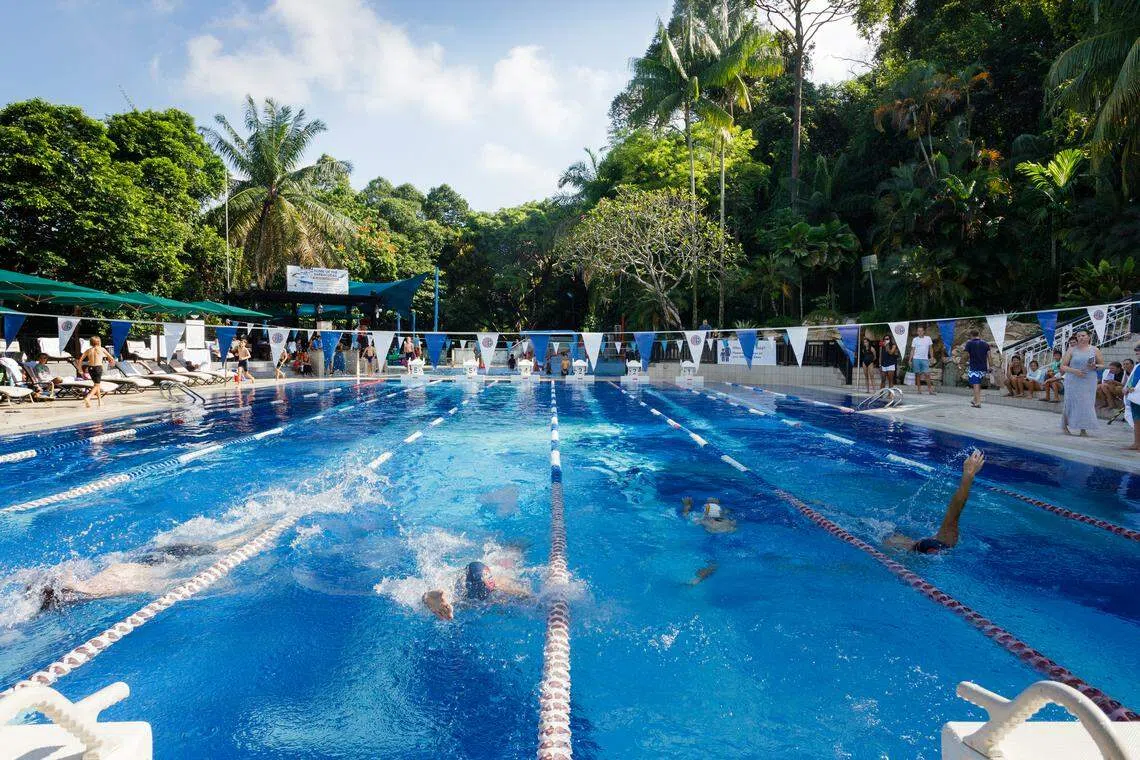
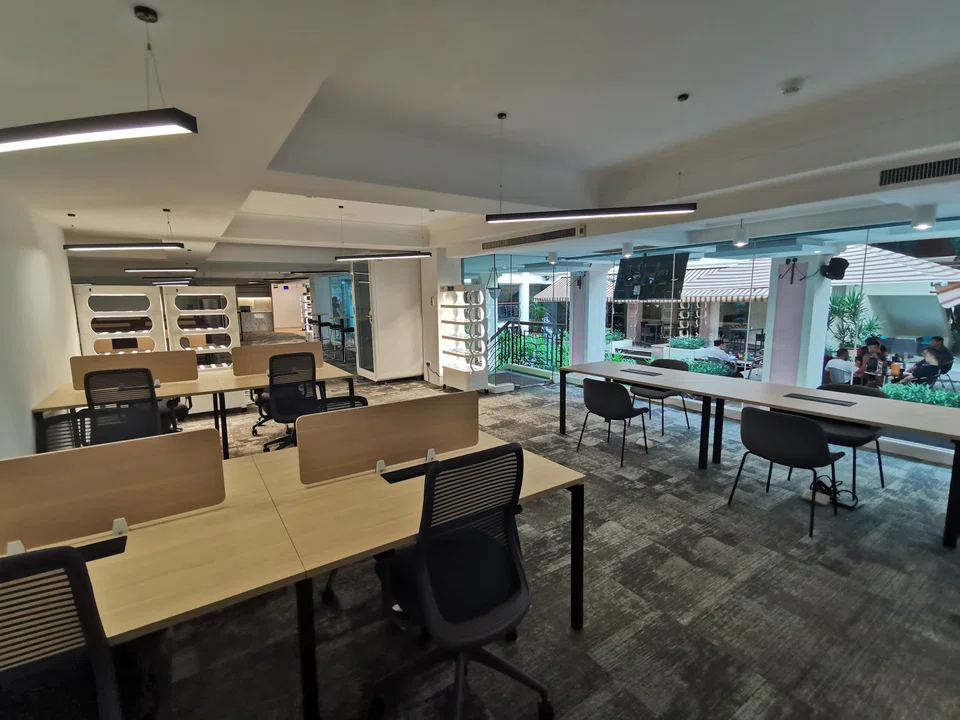
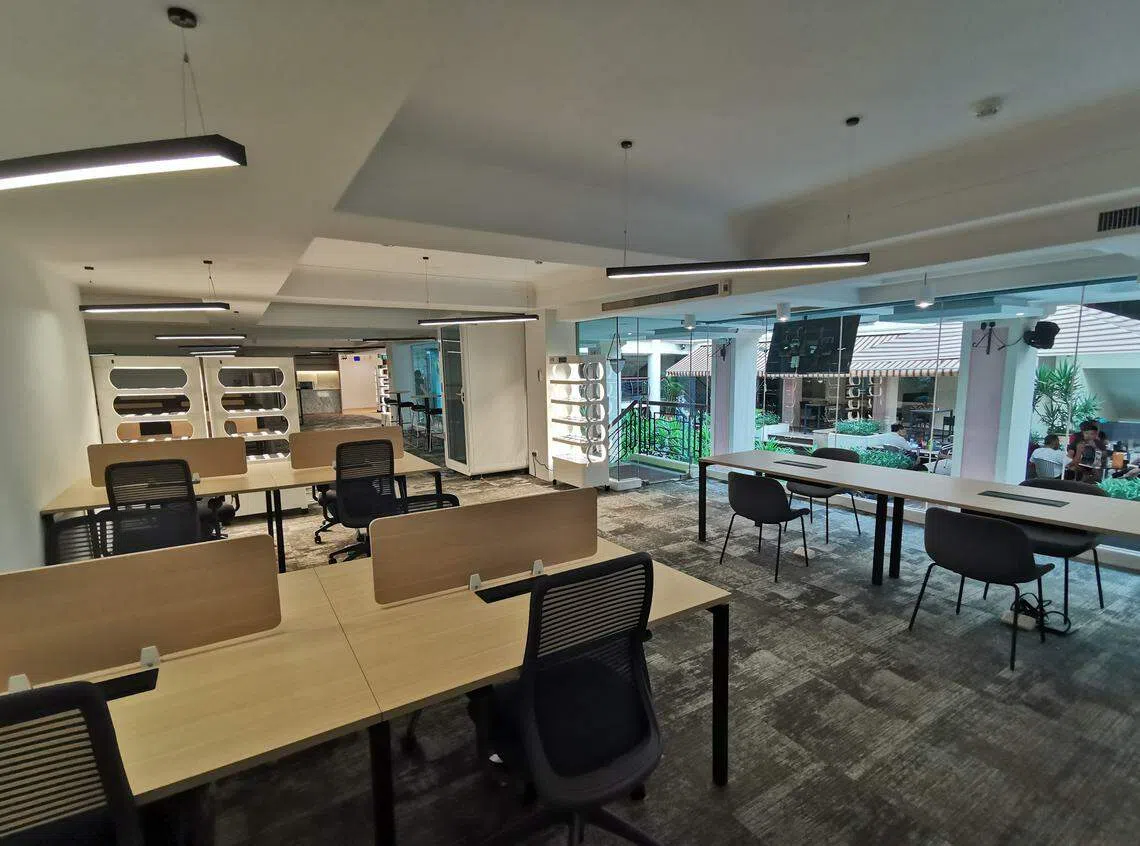
To meet the needs of a post-pandemic workforce, the Singapore Swimming Club has collaborated with co-working space operator O2Work to provide hot-desking options and meeting rooms for members and guests. A new sports arena is under construction to offer more options, including futsal, archery, and cricket.
“Social clubs must keep a finger on the pulse and transform themselves to appeal to the next generation. We are here for the long haul,” said the club’s general manager Brenden Gurusamy. The club also upgrades its 9 F&B outlets to offer “top-flight” dining options, and opened an all-day alfresco bistro for members last December.
Some social clubs do not impose service charges at their F&B outlets, and most provide free parking for members, either for the whole day or up to a certain hour. With rising inflation and the impending goods and services tax (GST) hike, such clubs would do “quite well”, especially if their F&B offerings are good or they are in convenient locations, said Associate Professor Ho Kong Chong, head of urban studies at Yale-NUS College.
According to the Singapore Cricket Club’s latest annual report, F&B formed the largest share of operating income for FY2021 at 41 per cent, followed by subscription and fees at 36 per cent. These 2 categories were also the Singapore Swimming Club’s largest revenue drivers at 35.7 per cent and 28.8 per cent respectively for the same year.
“For clubs, there are very limited revenue earning potentials to go into anything new or different. You also run the risk of possibly making a loss – so clubs are very conservative in that regard,” Motiwalla said.
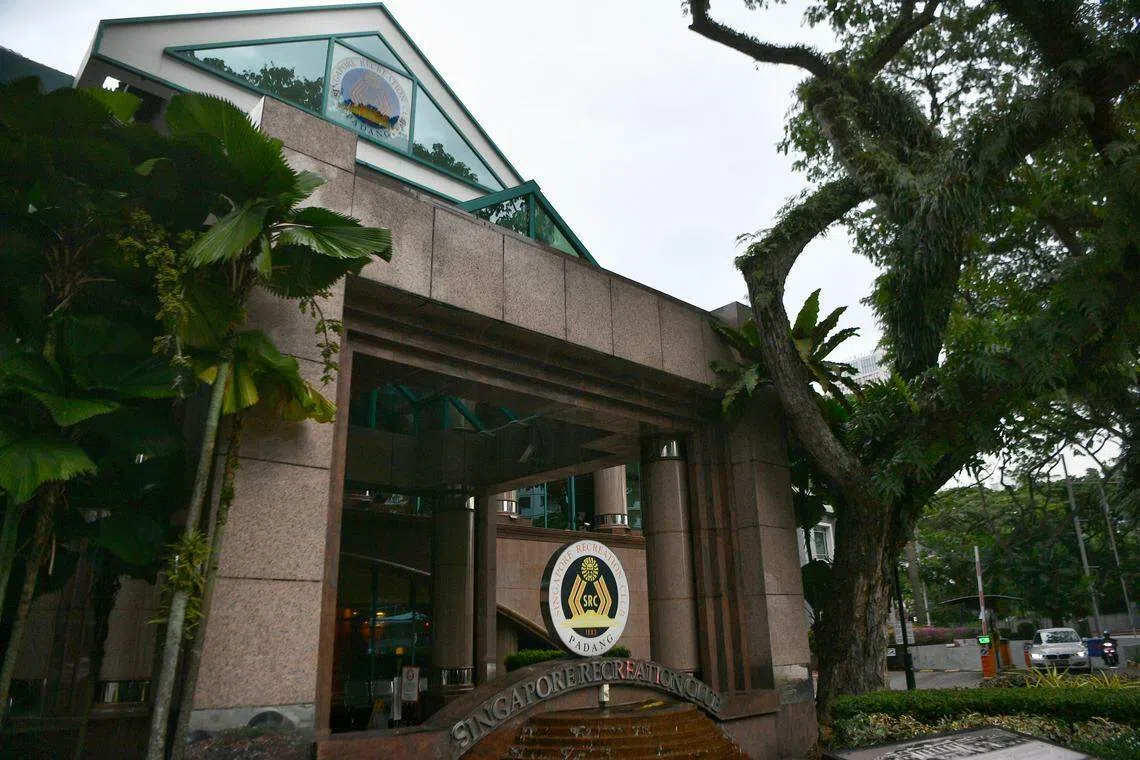
Chang sees change as necessary for the SRC to move beyond its status quo and become “the premier club of choice” in the town area. At the club’s peak in the late 1990s, an ordinary membership could go for up to S$65,000; today, this has fallen to about S$9,300.
He noted that the SRC has been beleaguered by lawsuits and infighting, which has done it no favours in attracting younger members. The new management committee has since implemented a conflict resolution and mediation process.
“We cannot continue to live in the past and rely on the old way of doing things. That doesn't gel with the new members that we're looking for, that would choose the club.”
His team plans to develop a youth wing for under-45s and work with business associations to hold more networking and social events for young working professionals.
“This is a group of people that is growing in their careers and financially as well. They have the potential to provide a greater income stream in supporting our F&B outlets and our activities,” Chang said. He eventually hopes to get C-suite executives to use the SRC as a base and rope in private bankers to organise clients’ events there.
With the Singapore Grand Prix returning this October, SRC will also continue to lease out its grounds at the Padang for ancillary activities such as concerts.
Business consultant Jasper Goh, 39, is just the type of new member that Chang hopes to attract. Goh joined the SRC as a member this February, after having patronised the club as a guest since 2011.
“There are many permutations to how you get associated with people in the club – you’re introduced to members, their guests,” he said. “And when you see the same community here, familiarity builds trust – that’s how new business relationships potentially develop.”
Running out of luck
While exploring new revenue streams, clubs are also doing away with old ones. Takings from jackpot operations – which used to be a cash cow – have dwindled over the years, clubs told BT.
In 2017, the government tightened regulations for clubs with jackpot rooms to guard against problem gambling. This included stricter criteria for fruit machine permits and no longer allowing members to bring guests into such rooms.
Last December, the Singapore Cricket Club notified members that it had discontinued its fruit machine operations after “carefully evaluating” its finances and the “continued decline in the patronage” of the fruit machines. Its fruit machines recorded deficits of S$37,975 and S$50,274 in FY2021 and FY2020, respectively. (*See amendment note)
“In the 70s and 80s, the jackpot room was a very vibrant part of the club, it made very significant profits. Closing the room down was a very emotional matter for some members, because there’s a really strong attachment,” said Motiwalla.
The club plans to convert its jackpot room into a facility that will cater to a “wider segment” of its membership, he added.
The American Club shut its jackpot room in 2016, while the British Club shut its jackpot room in 2018 and has converted the space into a kids’ and study corner.

Still a playing ground for the elite?
More community-based clubs have opened in the last decade, giving more of Singapore’s population – especially the younger generation – access to facilities, services and activities similar to those at older social clubs, at more affordable prices.
Safra, which has over 360,000 members including national servicemen and their families, will open its 7th clubhouse in Choa Chua Kang by early 2023. HomeTeamNS, which has over 160,000 members, is opening its 5th clubhouse in Bedok this December.
The National University of Singapore Society (NUSS) opened its 3rd clubhouse in 2019, while the Nanyang Technological University has an alumni house too.
Today, more Singapore residents also live in condominiums – which have social and sports facilities – compared to a decade ago. According to the 2021 census, the share of resident households living in condominiums and other apartments rose to 16 per cent in 2020, up from 11.5 in 2010.
But even if clubs are less distinguished by their facilities today, the social cachet remains.
The exclusivity of older established social clubs – which are not accessible to the “man on the street” – will continue to attract individuals, especially those in business and in high-income brackets, noted Professor Sing Tien Foo, director of the Institute of Real Estate and Urban Studies at the National University of Singapore.
“These clubs have very long histories, some of which trace as far back as the 1800s. They create exclusivity and social status for club members through stringent admission criteria and also have high membership fees,” he said.
Capping the number of members also creates a “supply scarcity effect” that could increase the value of membership, he added.
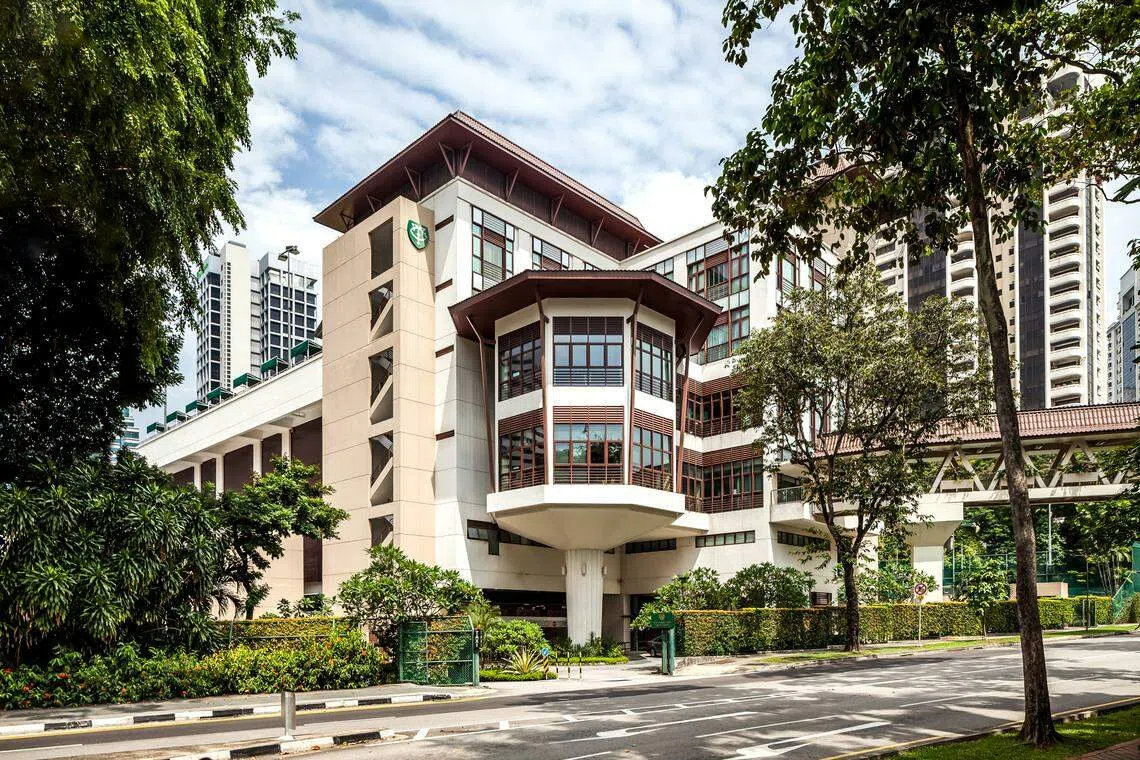
Tanglin Club requires all potential members, alongside their proposer and seconder, to attend an interview with the general committee, who will “assess their suitability” for admittance, said Yeoh.
“The general consideration factors, entirely at the discretion of the committee, may include financial standing, education levels, culture, special achievements in sports, arts or similar endeavours and professional representation, and so on.” The committee is not obliged to give any reason for rejecting potential members.
The ties that bind
Prestige aside, members told BT that while they may have primarily joined the club for its facilities or activities, they stayed for the social and emotional bonds built.
Kenny Rebeira, who has been a member of Tanglin Club for 25 years, has always found the club a convenient place to bring friends and clients for entertainment purposes. “As you patronise the club a lot more, everybody knows you,” he added. “It’s easy to talk to people. There’s a community that I am familiar with.”
For financial advisor Brian Goh, joining the Singapore Cricket Club in 1989 to play team hockey was one of the “best decisions” made in his life. Said Goh: “I’ve found many like-minded people here whom I can socialise comfortably with. Such friendships are intangible, which most people cannot appreciate when looking at the more utilitarian benefits of a club.”
“So if you have no connection to the club whatsoever, it’s very unlikely that you’ll stay on.”
*Amendment note: An earlier version of this article gave incorrect deficit figures for fruit machines at the Singapore Cricket Club.
TRENDING NOW

Malaysian king buys stake in Singapore-listed mining firm expanding into rare earths

Grab CEO’s wife Chloe Tong on life with Anthony Tan and finding her purpose

Once staunchly pro-China, Malaysian Chinese businesses are now distancing themselves from Beijing

Longer wait times expected as S’pore healthcare institutions report system disruptions

