

Take my money, please!
Angel investor networks are growing from strength to squad, with well-heeled folks from all walks wanting in on the clubby startup scene

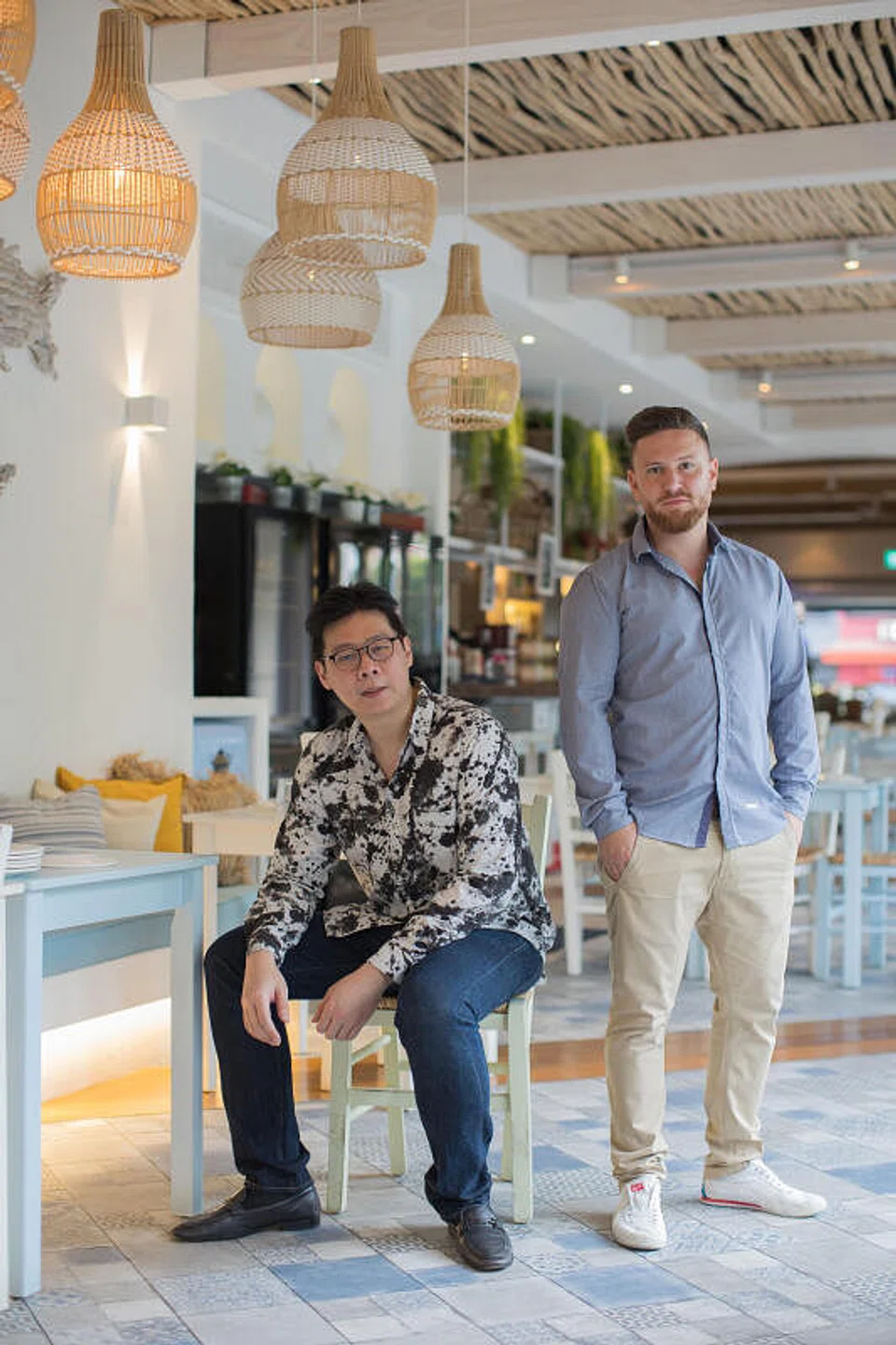
MINUTES after Ng Cheng Wei sent out a WhatsApp group text to his buddies detailing the terms of an investment opportunity in one early-stage grocery marketplace startup, his phone started buzzing non-stop. Within an hour, over 20 people in the group replied with the hand emoji, signalling that they wanted in on the deal. Among them were a startup founder, a tech executive and an SME towkay. All were members of Ascend Angels, a 210-strong investing squad that works like a private crowdfunding platform of sorts. It aims to help people pool together money and get access to startup deals as individual investors, known as "angels".
Since Ng first created the by-referral-only WhatsApp group chat in April with his business partner Milan Reinartz, the group has invested about US$6 million in close to 20 tech startups. That is more than what some venture capital (VC) firms have invested in startups in a year. Members - who have to be accredited investors - can put in as little as US$5,000 for a deal. Some put in as much as US$200,000, depending on their comfort level.
Ascend Angels is one of several ways that people on the fringe of South-east Asia's clubby tech scene are capitalising on the region's startup boom. Well-heeled folks from all walks of life are now joining the hallowed halls of angel investors, banding together in informal social media group chats to amass the buying power needed for an insider peek into the glitzy world of startup investing.
The influx of new faces has changed the dynamic of how startups raise money. Once the bigwigs, some early-stage venture capital firms are now left on the sidelines. Founders are gravitating towards individual investors or networks that can provide them with a golden trifecta of business advice, capital and connections, without the headaches of fundraising.
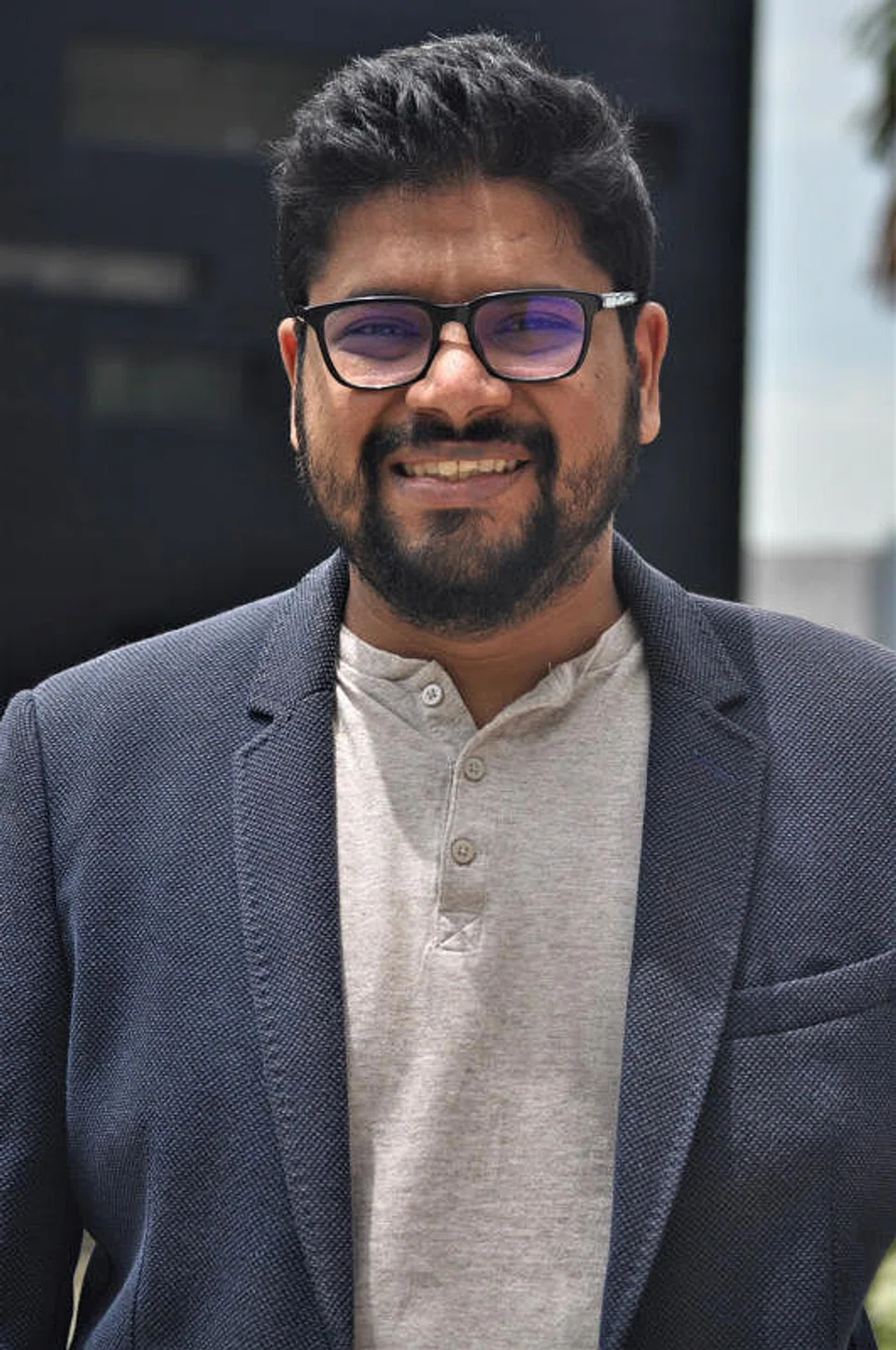
"At early stages, it can be 45 minutes on a call with an angel investor who knows you well and you can raise the money," said Honey Mittal, founder of low-code startup Locofy.ai and an angel investor for almost a decade. He added that this is contingent on a founder's own background and relationship with the investor.
"But with a VC fund, you have to go through a more stringent due diligence process which takes more time... For very early-stage startup founders who are focused on building the product, that's not very ideal."
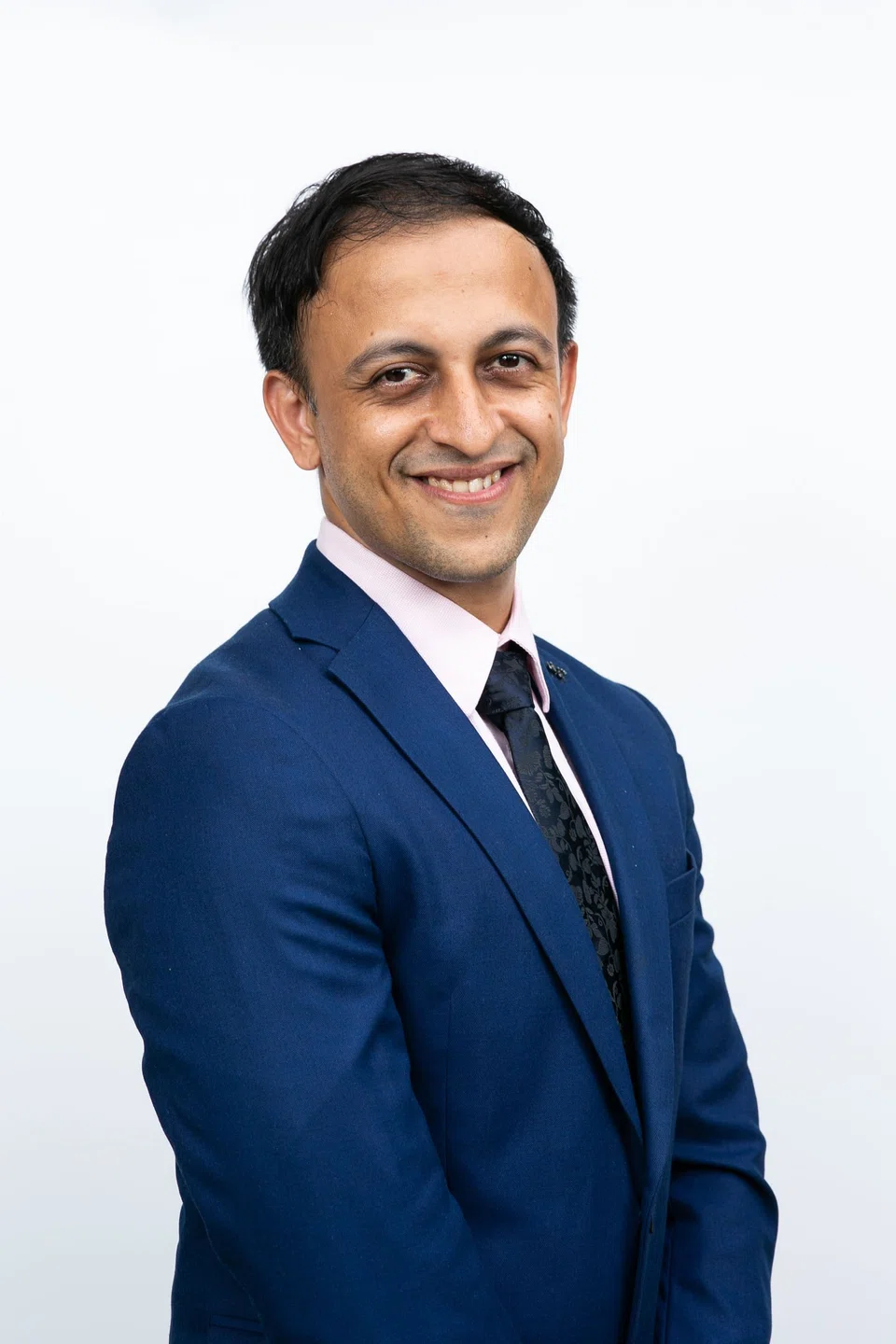
Founders are also finding that, with angels, their negotiating power is higher and the process isn't too laborious, said Prantik Mazumdar, an angel investor for more than 2.5 years, a former startup founder and an entrepreneur in residence at Insead. "They can also tap onto the expertise and connections available through these groups."
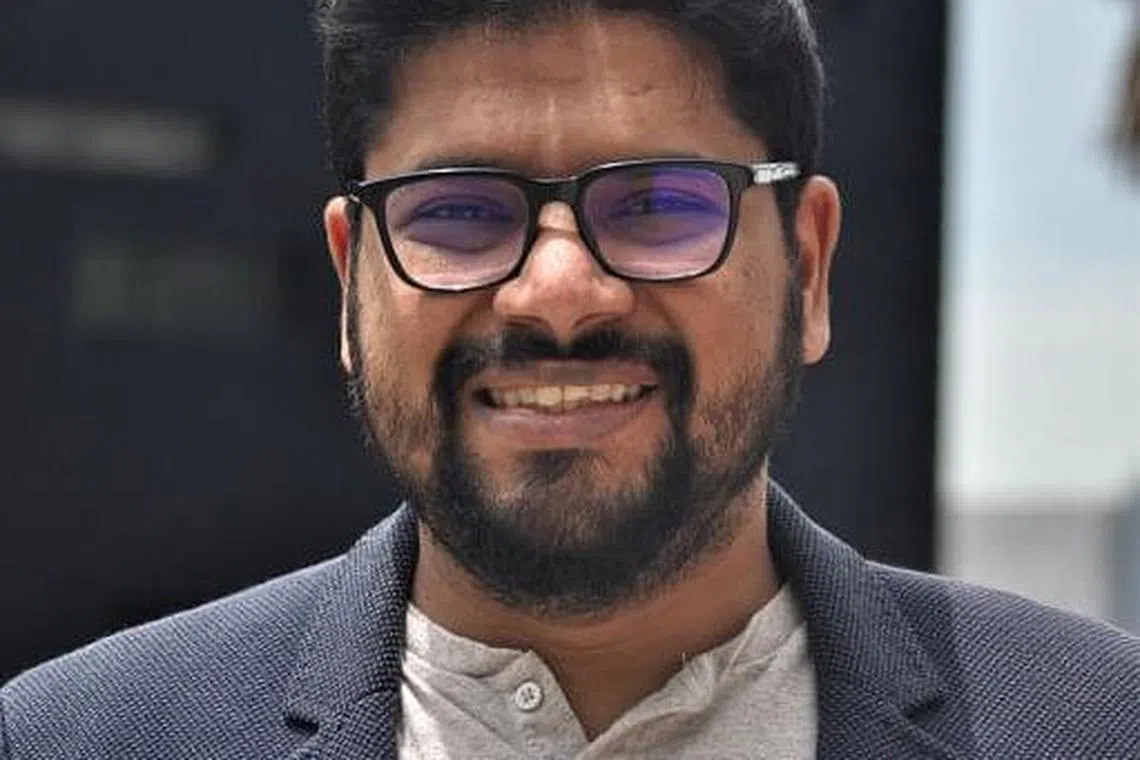
Who do you know? Personal networks go a long way in the angel arena. Mittal first found out his long-time friend and university schoolmate Vidit Agrawal was building a fintech startup over dinner. Agrawal has held leadership positions at tech firms Carro and Stripe. He was also Uber Asia's first employee.
Mittal wanted to invest immediately. "(Agrawal) told me he was building his own fintech startup, in a space and market I knew well. I was like, I can help and I would love to back you. Take my money, please, I want to invest." He cut a cheque on the same day.
Until recently, founders preferred to raise larger sums from VCs rather than deal with the hassle of managing multiple names on their cap table and fielding queries from several angel investors.
But angels have now levelled the playing field. They are educating themselves on the dos and don'ts of angel investing and pooling together to write larger cheques, spurred on by the possibility of sky-high returns and the opportunity to be part of the infinitely-cool tech arena.
Dan Ferguson, a managing director at an advertising firm and a former tech entrepreneur, began investing in startups about 4 years ago. He started listening to podcasts from Silicon Valley-based AngelList's Naval Ravikant, read books about the best practices around angel investing and worked on building contacts in the tech arena. But his journey as an active investor only really took off after he joined Ascend Angels.
"There was just this sheer volume of deal flow," he said. Ascend Angels brings in about 4 to 6 deals every month, and Ferguson has invested in about 6 startups since he joined the group in mid-2021. He puts an average of US$15,000 to US$25,000 into a startup.
The community also does some sort of "collaborative due diligence", Ferguson said. Here, members who are experienced in a sector help to pitch in and give their thoughts about the founders and the business. The group also arranges a video call with founders so members can get to know them and the business better.
To cater to the burgeoning interest, several networks such as AngelCentral and Bansea have set up workshops to help wannabe investors break into the gated halls of early-stage venture capital. People pay at least S$800 a year for a membership at AngelCentral, which gives them an inside look into upcoming deals. They also attend workshops that explain how experienced investors do due diligence, evaluate deals and manage a portfolio.
Interest in its workshops has risen in the past year, co-founder Huang Shao-Ning told The Business Times (BT). About 55 per cent of its 140 members now actively invest in startups. The AngelCentral club also includes those - homemakers, lawyers and retirees - who want to learn more about early-stage private equities.
More than a cheque Angels come armed with more than just money - with their own experiences and technical expertise that their investees can tap on. Jeff Yeo, co-founder of tiny house startup Big Tiny, told BT that having Ascend Angels as an investor allows him to tap on advice and networks from members in the community including top C-suite executives and former technopreneurs.
"The tables have turned to the point where founders can be picky about who they take money from," said Locofy.ai's Mittal. "Maybe their first priority would be to use their own money, so there will be as little dilution as possible. But otherwise, turning to other founders or C-suite executives in startups who can help, guide, or mentor them especially in turbulent times is also a very attractive option."
It is almost like a match made in heaven, although gates are open only for the wealthy. Regulatory rules restrict it to accredited investors, considering most startups fail.
The failure rate, somehow, is not deterring yield-hungry investors. This frenzy is part of a rush into the alternative asset space, driven by low-interest rates, ballooning valuations and a little bit of pandemic boredom.
"It is kind of addictive, in a way that once you make your first investment, you know it is not going to be your last... For me, cheque sizes started at US$10,000 and have gotten bigger every time," said Mittal, who now cuts cheques of up to US$50,000. He has invested in over 15 startups so far.
It helps that South-east Asia's first generation of startups - Grab, Bukalapak, Sea, and Carousell - have either gone public or reached billion-dollar valuations. Sentiment for the region's Internet economy has been beyond hopeful. South-east Asia's booming Internet economy is set to double to US$363 billion by 2025, research from Google, Temasek and Bain showed.
Most of the angel investors are middle-aged or older business people with some ties to the tech industry. Some got into it because they think tech is cool, while others wanted to give back by mentoring promising founders in their spare time. Several view it as a social status play. All harbour hope for an outsized return for their money.
There is also a small but growing pool of former tech founders or ex-startup executives that are venturing into this space. Alumni from Grab, McKinsey, Google, Amazon Web Services and Kopi Kenangan have each formed angel investing groups or syndicates in the region.
SEE ALSO: South-east Asia's young startup alumni are changing the face of investments
To be sure, it is not that these angels are pouring hard-earned money into cash-burning startups without any heed or caution. Most understand the high stakes that come with angel investing.
When Reuben Khoo, a retired EY partner, first dabbled in startup investments, he proceeded in a "smaller and less aggressive way". Khoo started with a S$50,000 cheque, what he felt he could afford to lose at that time. "I remember telling myself it's like a tuition fee to learn more about startups."
That was 6 years ago. Since then, Khoo has invested in about 8 startups. His average cheque size now stands at about S$500,000. Some of his investments have failed, others he has exited to realise more than he put in.
Angel investing as an asset class is "very different" from investing in stocks, said Huang, who has made about 40 investments in startups so far. "Of course, you could see if (a founder's) projections make sense or look at a startup's revenue, but for such early-stage businesses, there is not much historical data pattern recognition you can do."
Acknowledging that startup investment is one of the riskiest asset classes around, Ascend Angel's Ng says he often reminds members in the group chat that they should not be investing just because of the fear of missing out, or Fomo. Instead, it should be based on their own due diligence.
But as much as seasoned investors caution against investing with the heart, it could be difficult for newbies to separate themselves completely from the thrill of closing the deal. For "popular" startups, members might only have the name of a company, deal terms, and a little more than a few hours to signal that they want in.
There is a lot of demand for good deals, and smart founders also use this tactic to create Fomo, Mazumdar said. "There are 1 to 2 deals floated every week and angels have (to) at least put up a hand emoji quickly - within at least 24 hours - to indicate their interest."
The market is hot, and angel investing almost seems like a game for the wealthy. Until the music stops.
READ MORE: As unicorns emerge, angels gather for the hunt
TRENDING NOW
Ex-Nvidia CEO Jensen Huang carried a secret for more than a year. It led to his downfall
South-east Asia has lost Nvidia’s best salesman

Demand, tech capabilities position Apac and AI as Skyscanner’s next growth frontiers: CEO Bryan Batista
Jensen Huang discusses comeback as Nvidia CEO with allies: report

