

Techies take on South-east Asia’s food waste problem
Startups fighting the icky problem of food waste have flown under the radar. But they may get a boost from growing ESG efforts and upcoming regulation.

Sharanya Pillai
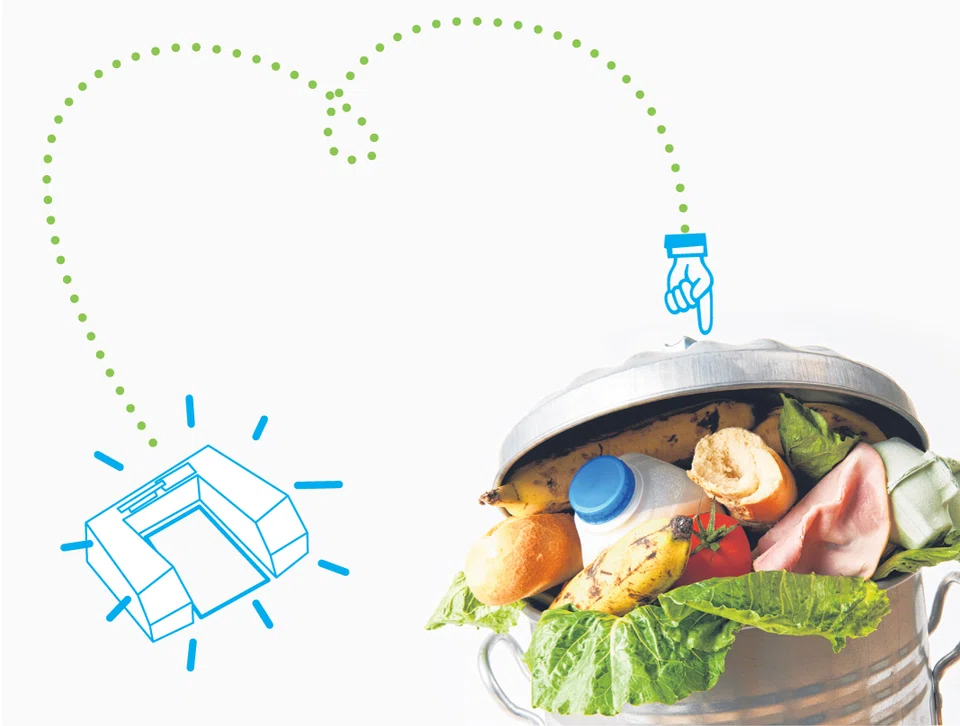
ALL-DAY buffets and dining out are back with a vengeance – but so is an insidious problem: food waste. Last year, Singapore generated 817,000 tonnes of food waste, up 23 per cent from the prior year amid increased post-pandemic economic activity. Only 19 per cent of the waste was recycled.
Across South-east Asia, the numbers are more staggering. Indonesia threw away 23-48 million tonnes of food waste annually from 2000 to 2019, local reports say. In Bangkok, uneaten food makes up almost half of the 10,000 tonnes of solid waste collected in the city daily, said a 2021 report by the United Nations Environment Programme.
Food waste is often seen as the responsibility of the government and waste companies. But some startups believe that they can make a difference using technology to influence the behaviour of food distributors, restaurants and even ordinary consumers.
TRENDING NOW

Grab CEO’s wife Chloe Tong on life with Anthony Tan and finding her purpose
Brokers maintain ‘buy’ on CDL despite investor reservations over strategic review

Deal between tycoon friends sparks scrutiny of Philippine power sector
Hwa Seng Builder, two China companies win S$1.2 billion Tuas Road Viaduct phase two contracts

