

When change is the constant: Policies and politics to watch in 2026, at home and abroad
From Cabinet confirmations to potential confrontations, much lies ahead in the new year

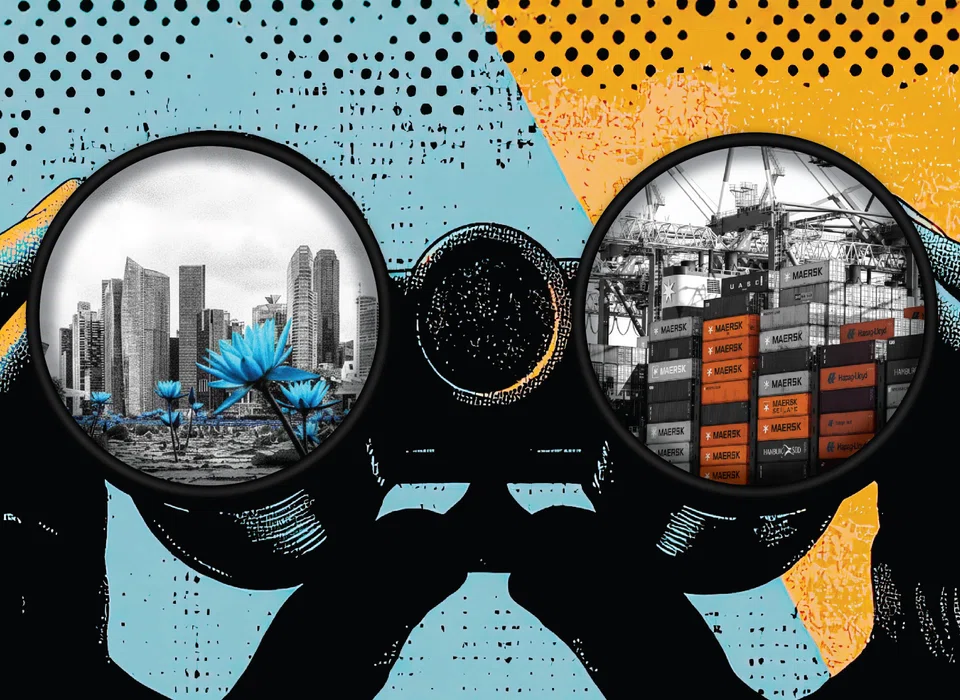
[SINGAPORE] After a roller-coaster year shaped by a stop-start global trade war, 2026 is expected to be similarly rocky for Singapore, even if changes at home are more controlled.
Amid international turbulence, the People’s Action Party won the 2025 General Election by a comfortable margin. In 2026, changes at home will likely be the result of long-term planning or parts of regular processes, said observers.
But the Republic will continue to be buffeted by the unpredictabilities of the global environment. Long-simmering hostilities are also being watched to see whether they boil over or cool down.
Nathan Peng, assistant professor of political science at the Singapore Management University (SMU), believes 2026 will be “fundamentally similar” to 2025, with trends continuing on their trajectories – but with greater instability.
Eugene Tan, associate professor of law at SMU, sees Singapore’s “domestic setting” as a possible buffer against geopolitical uncertainty and tensions, rising “economic warfare” and general economic anxiety.
But this buffer may be limited.
Felix Tan, a lecturer at the Nanyang Technological University’s (NTU) School of Social Sciences, said the domestic economic and social implications of global developments could “create unexpected pressures that affect how Singapore moves forward”, though Singaporeans have long been “somewhat shielded”.
Agreeing, Chong Ja Ian, associate professor of political science at the National University of Singapore (NUS), said intensifying major power competition and a weakening of global institutions should mean continued unpredictability in 2026.
He warned that Singapore’s “comfortable position of being a commercial conduit” will continue to be challenged, as the world becomes less accepting of economic liberalisation.

At home: Focus on workers, environment
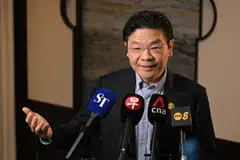
Although 2026 marks the start of a new government term and the first to be helmed entirely by Prime Minister Lawrence Wong, observers do not expect drastic change.
“Overall, 2026 is likely to look much like previous years rather than being a period of major domestic change,” said Dr Tan. “Most political and policy developments will continue to follow familiar patterns.”
Lawrence Loh, director of the Centre for Governance and Sustainability at NUS Business School, thinks drastic policy interventions are unlikely, given the current strain on businesses.
Instead, he believes that 2026 will be a “consolidation of the trend” to protect both local workers and the environment.
He noted, for instance, that the statutory retirement age will rise to 64, from 63, while the re-employment age will rise to 69, from 68. These are set to reach 65 and 70, respectively, by 2030.
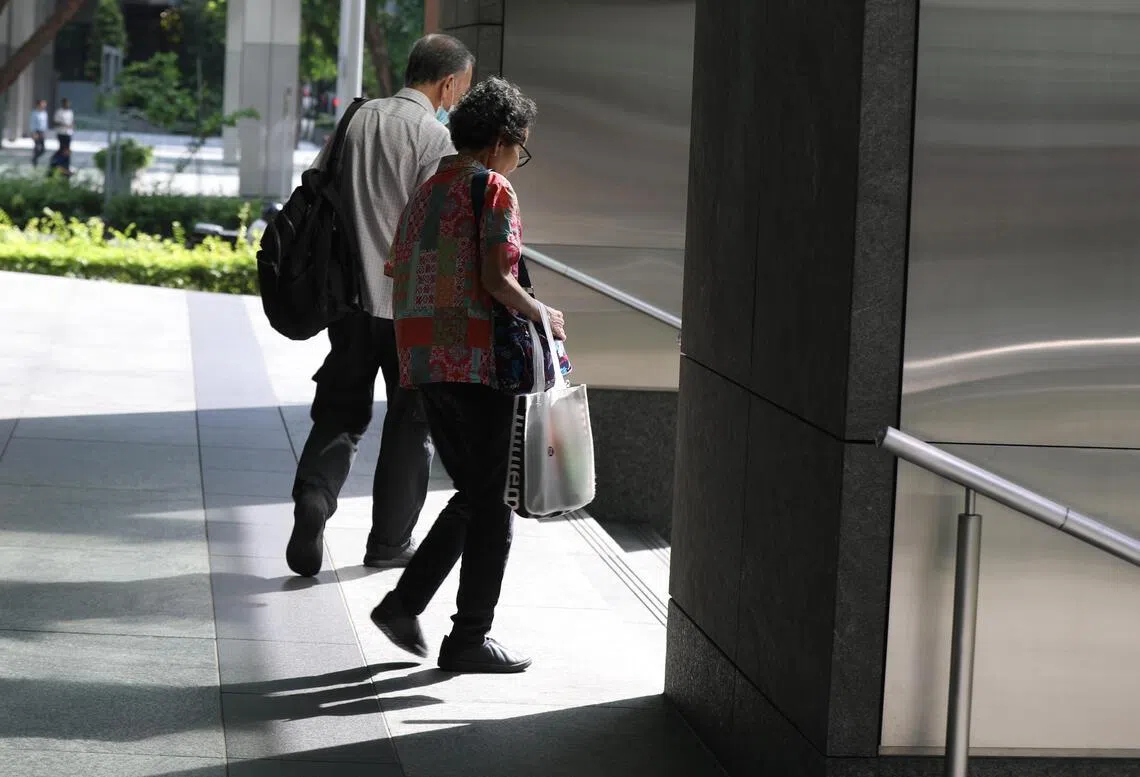
“This will affect human resource practices across the board in areas such as hiring and wages,” Prof Loh said.
Protecting local workers may involve tightening foreign-labour policy further, making it costlier to hire foreigners.
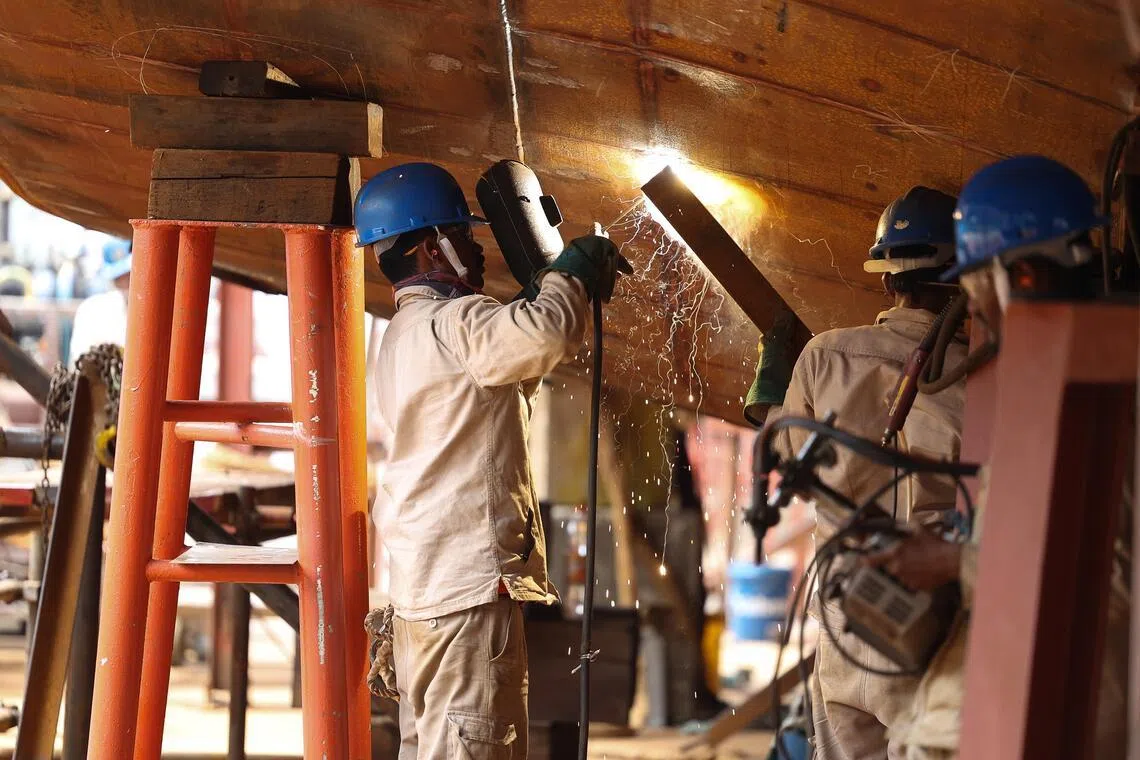
Previously announced moves that kick in this year include higher minimum salaries for S Pass and Employment Pass renewals, as well as a lower dependency ratio ceiling – the maximum ratio of foreign workers to a company’s total workforce – in the marine shipyard sector.
SMU’s Prof Peng expects further tightening of policy in 2026, to “ensure everyone feels like they have a stake in Singapore’s economic success”.
With Singapore facing more interest from foreigners even as space and infrastructural constraints increase, immigration policy “can afford to be more selective”, he added.
Efforts to reskill and upskill workers will also continue, especially as artificial intelligence (AI) becomes an increasingly prevalent opportunity – and threat – in the workplace.
“The AI spending boom is likely to persist for another year as companies and governments alike believe that an AI winter is highly unlikely,” said SMU’s Prof Tan.
“At best, the promises of AI wonders may not come to pass, but there is no denying that AI is here to stay and will grow in importance in all aspects of our life.”
Prof Peng said that with AI “threatening the existence of white-collar jobs”, the government could have “more lifelong education policies to increase the flexibility and competitiveness of our labour market”.
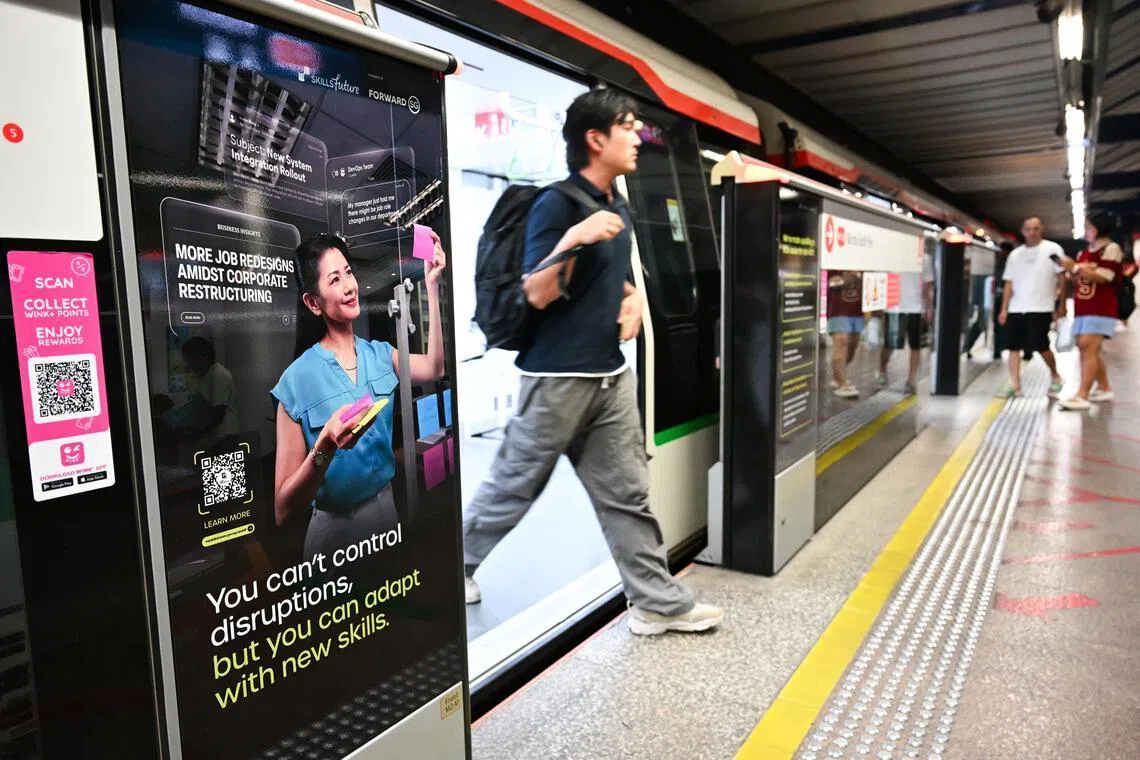
NTU’s Dr Tan said the government has been slower than expected in setting clear policies on managing AI-related job displacement.
“As a result, difficult trade-offs between embracing AI-driven productivity and protecting a skilled, knowledge-based workforce remain unresolved, pushing these challenges into 2026 for more focused policy action.”
He suggested that the government could provide updates or publish lists of jobs most likely to be affected by AI. This would help companies assess ways to retrain workers for new roles and avoid layoffs.
“Basically, what this does is that it treats AI-driven jobs as a collective responsibility, and not something that the individual workers are left to handle on their own.”
Terence Ho, associate professor in practice at the Singapore University of Social Sciences’ Institute for Adult Learning, expects more support for firms to deploy AI and redesign jobs “for human-AI complementarity”.
“Another focus should be on how to reskill workers effectively for changing job roles,” he said. These, he added, may be among the economic strategy review’s recommendations – due in the first half of 2026, but possibly also informing Budget 2026.
OCBC chief economist Selena Ling similarly expects Budget 2026 to address AI strategy, as well as manpower policies “to improve preparedness and adaptability to disruption forces”.
She noted that 2023’s National AI Strategy 2.0, which addressed harnessing AI for public good, was a refresh of the first National AI strategy from 2019.
“I think 2026 to 2027 would be an appropriate time to assess if the various incentives and platforms to assist SMEs (small and medium-sized enterprises) with AI adoption and solutions are sufficient, or if more can be done.”
Another possible Budget focus is the green economy, she added.
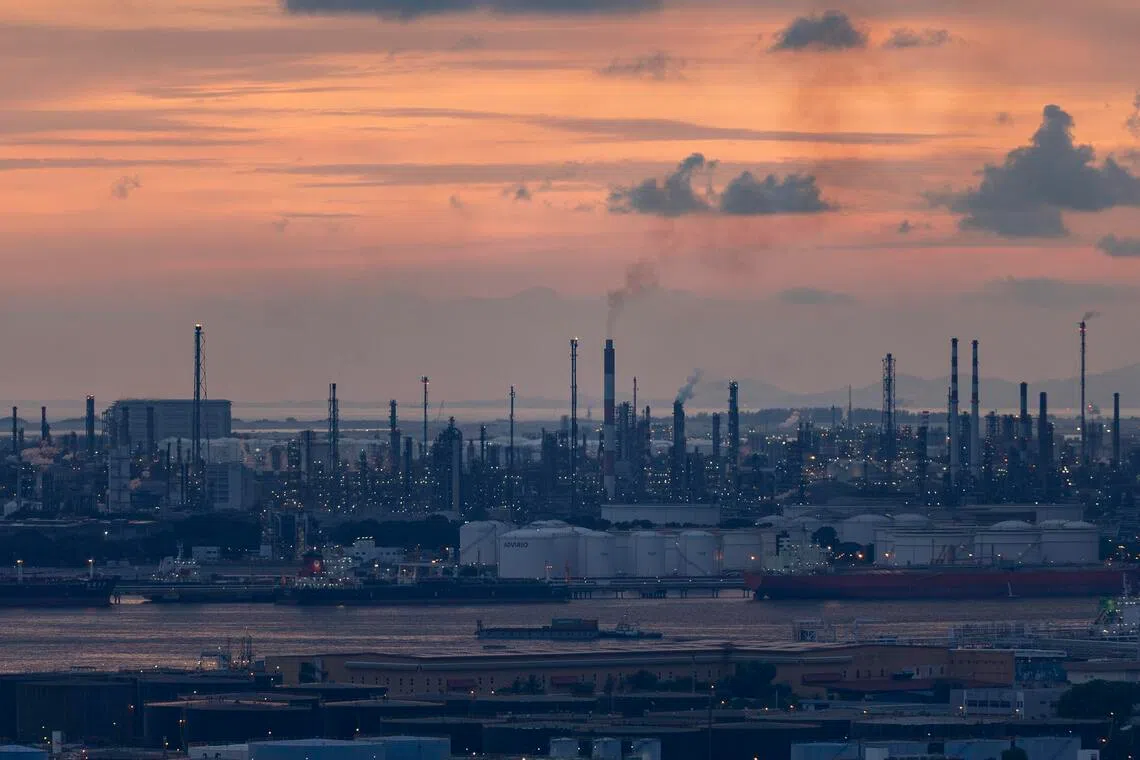
Sustainability is one area where long-anticipated changes will take effect this year. The carbon tax for applicable large emitters will be raised from S$25 to S$45 for a tonne of emissions in 2026 and 2027.
Prof Loh said the significant jump will shape emissions behaviour and induce cost increases that will trickle down to other businesses and end consumers.
Additionally, from the 2025 financial year, listed companies must report on their Scope 1 (direct) and Scope 2 (indirect) emissions. This will continue to be felt in 2026, “in terms of costs and adjustment actions”.
The 2026 financial year will see the start of the requirement for Straits Times Index companies to report Scope 3 emissions, which occur across a company’s value chain, he added.
Domestically, SMU’s Prof Peng expects policies to keep wealth inequality in check, possibly in the form of stricter rules or changes in taxes for property transactions.
Political plays
Beyond policy shifts, eyes will be on politicians in the first full year after the 2025 General Election.
NTU’s Dr Tan predicts a Cabinet reshuffle in the first quarter of 2026, so that the government can start the year with a consolidated leadership team.
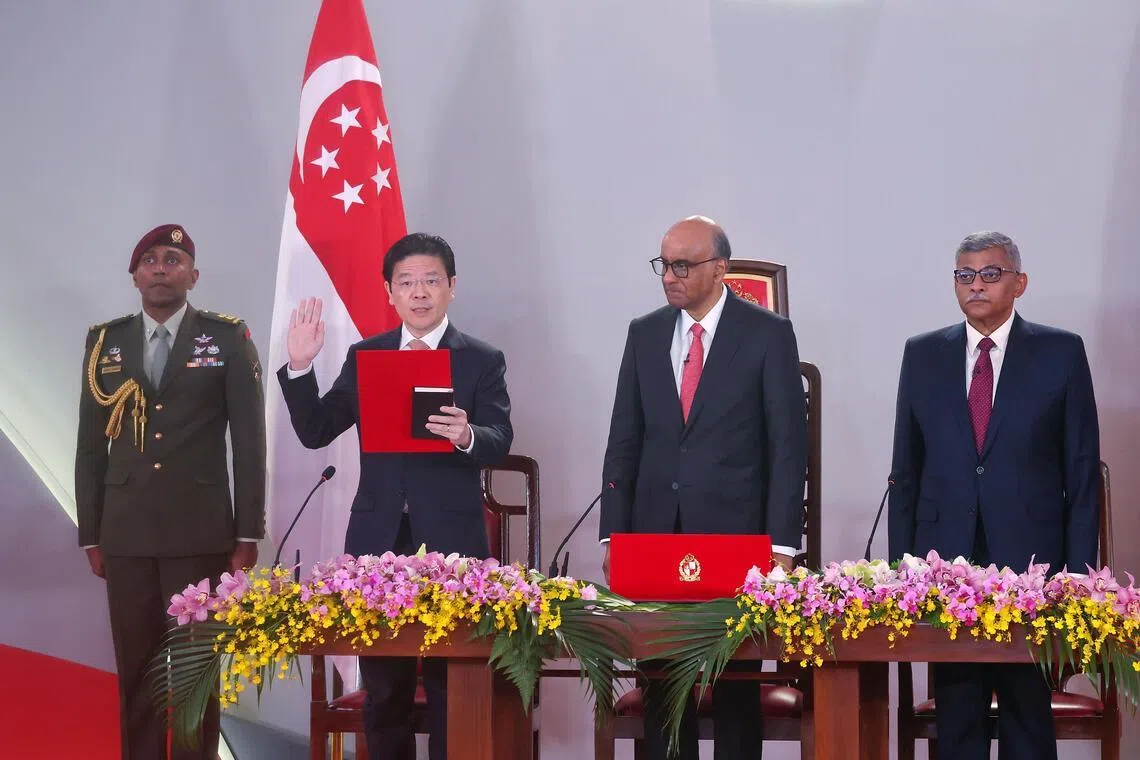
A Cabinet reshuffle directly affects stability and policy direction, he said. “Changes in key portfolios can alter priorities, slow down ongoing initiatives, or accelerate new ones.”
Political officeholders such as Jeffrey Siow, David Neo and Faishal Ibrahim remain acting ministers, suggesting that the government “prefers to keep its options open”, he said.
“Their strong visibility in 2025 points to confidence in their performance, but the delay in confirming their roles also reflects a cautious, tightly managed approach to leadership renewal.”
But given that they were “quite active” in 2025, they could become full ministers in 2026, he added.
Another potential promotion would be of a coordinating minister to deputy prime minister, Dr Tan said, noting that previous administrations have traditionally had two DPMs.
“Not only would this be a way to spread the workload at the top, it might also be quietly stabilising the leadership transition,” he said, framing the move as “ensuring stability within the Cabinet during a period of uncertainty”.
As for the opposition, the position of Workers’ Party (WP) chief Pritam Singh – not only within his party, but as the leader of the opposition – “seems to be in a precarious position”, said Dr Tan.
Singh was convicted of lying to a parliamentary committee; the matter is set to be discussed in Parliament on Jan 12.
In a statement after Singh’s conviction, WP said that it was looking into a request by cadre members for a special conference.
How Parliament and WP move forward will influence the role and credibility of opposition politics, said Dr Tan.
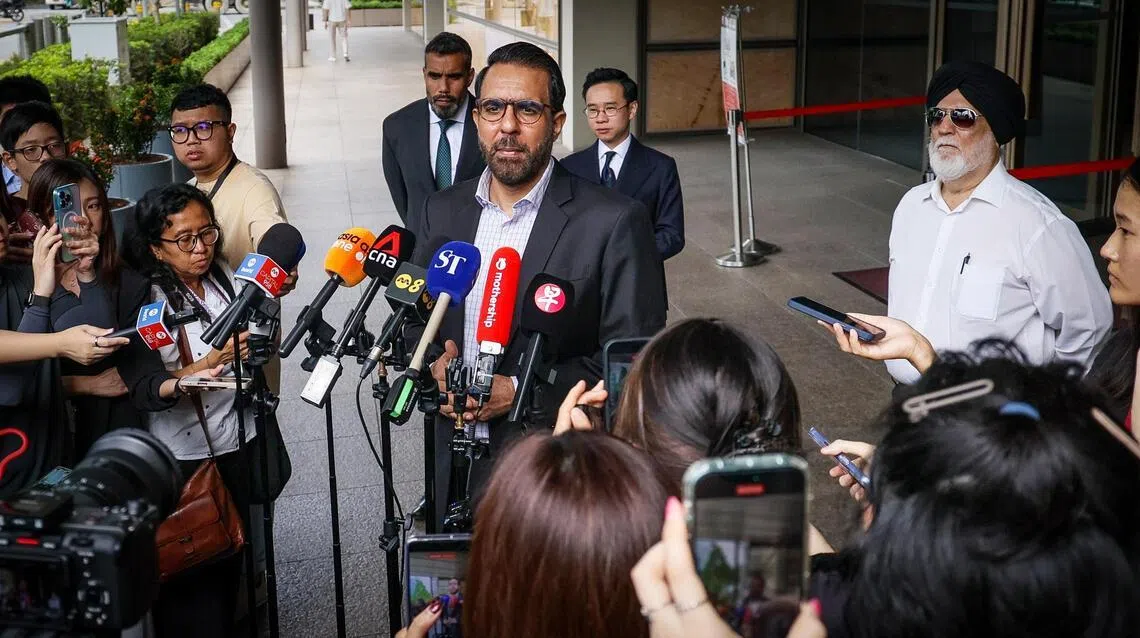
Singh has remained a persistent and effective presence in Parliament, he argued, “suggesting that scrutiny has not weakened the opposition so much as clarified its role in challenging a dominant executive”.
And despite controversies, voters continued to return Singh and his party to office.
“How institutions, especially in parliamentary debates, respond to this reality will shape whether political contestation remains substantive or becomes increasingly constrained,” he said.
A focus on meaningful debate – especially on economic issues – “rather than procedural skirmishes and partisan politics”, will be important for Singapore to navigate an increasingly uncertain world, Dr Tan added.
He expects these political issues to be dealt with “in swift succession” early in 2026, to clear the way for more important things in the rest of the year.
Regional restructuring, global conflict
Regional politics will be more eventful, as several of Singapore’s neighbours go to the polls.
Prof Chong highlighted two elections that “can shape Asean going forward”: Thailand’s in February, and Myanmar’s junta-led elections that began in December 2025 and continue into January.
In late 2026, the Asean Summit meetings will also be keenly watched for “the sort of issues and Asean” that Singapore will inherit as the bloc’s new chair in 2027, taking over from the Philippines.
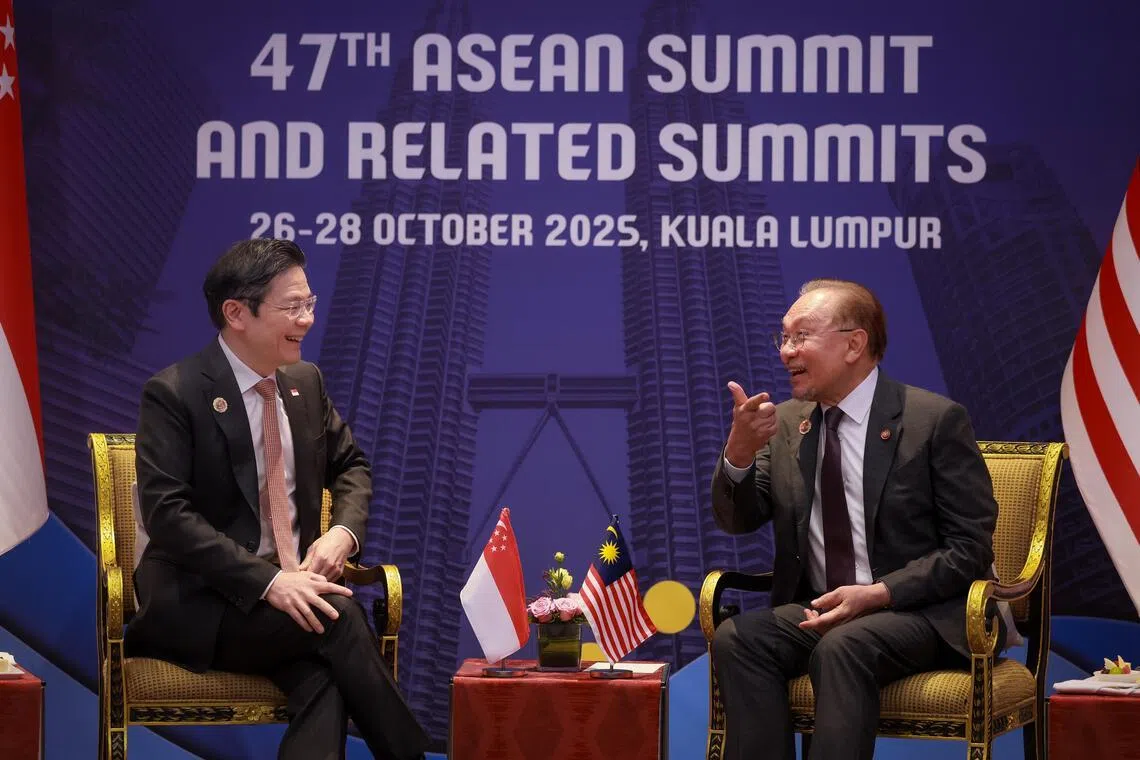
“The organisation is already under stress, given its inability to deal effectively with the Myanmar civil war, Thai-Cambodia conflict, ongoing South China Sea disputes, and its relative silence on the floods in Indonesia and Malaysia,” Prof Chong said.
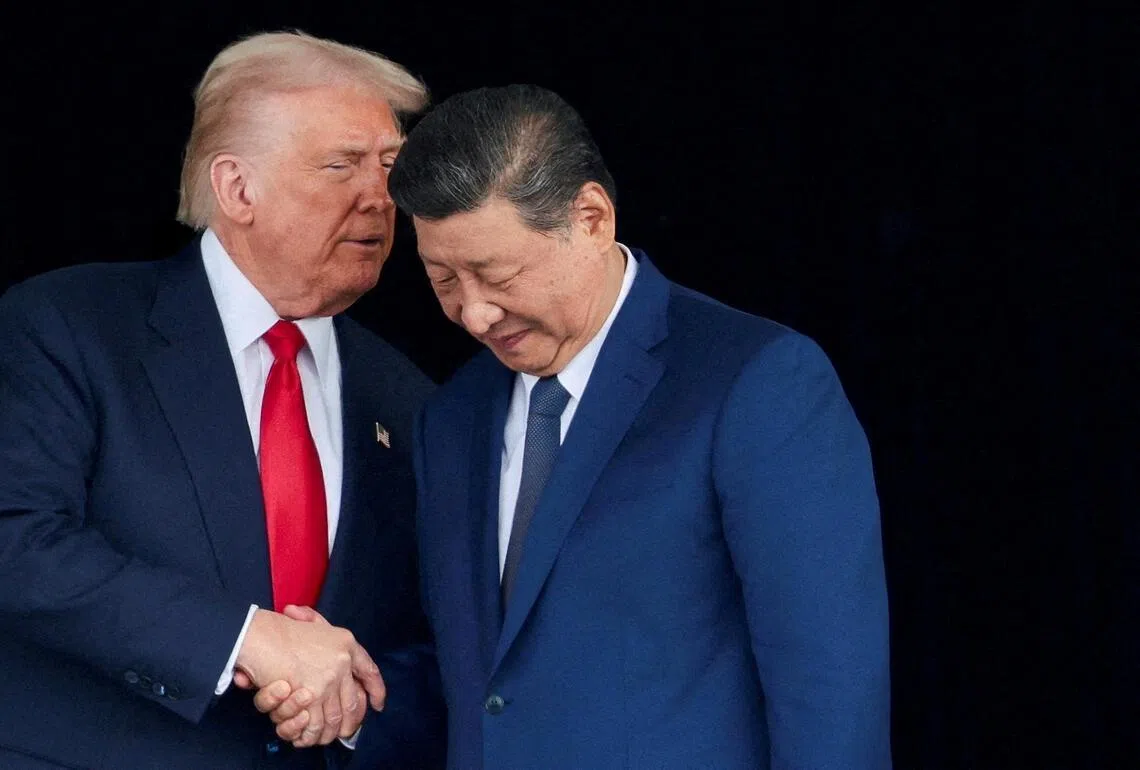
Beyond the region, all eyes remain on US President Donald Trump’s volatile approach to international relations.
Prof Chong noted that while the world watched for some “major breakthrough deal” between China and the US in 2025, this did not come to fruition.
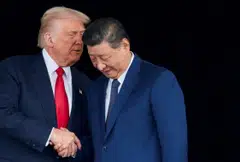
This year, an official visit to China in spring is on Trump’s agenda, while Chinese leader Xi Jinping has a planned return visit to the US later in the year.
“Key here is whether and what sort of arrangement the two major powers come up with to guide their increasingly contentious rivalry – and to what extent any understanding holds,” said Prof Chong, adding that the trajectory of this relationship “obviously has ramifications for economies around the world, and security as well”.
The US’ midterm elections in November will also be important, with the possibility that Trump “becomes a lame duck”, noted OCBC’s Ling.
Anti-globalisation sentiment may fuel moves elsewhere.
Said SMU’s Prof Peng: “The rise of right-wing, populist political platforms in the last decade reflects how inequality (both political and economic) has changed the calculus of political leaders of major economies, from the mounting frustration among their constituents.”
He expects greater domestic political instability worldwide as “many of the fundamental issues”, especially inequality and the lack of social mobility and equal opportunities, are not being addressed.
The US-China relationship is not the only one that hangs in limbo, with geopolitical strife expected to persist.
Eyes will also be on China’s relationship with Japan, which soured sharply in November 2025 after Japanese Prime Minister Sanae Takaichi made comments about Taiwan to which China objected.
Also to be watched is how China ramps up pressure against Taiwan, in the lead-up to the island’s local elections in end-November, said Prof Chong. This is particularly because of the assessment that China will have “serious options for use of armed force” against Taiwan by end-2027.
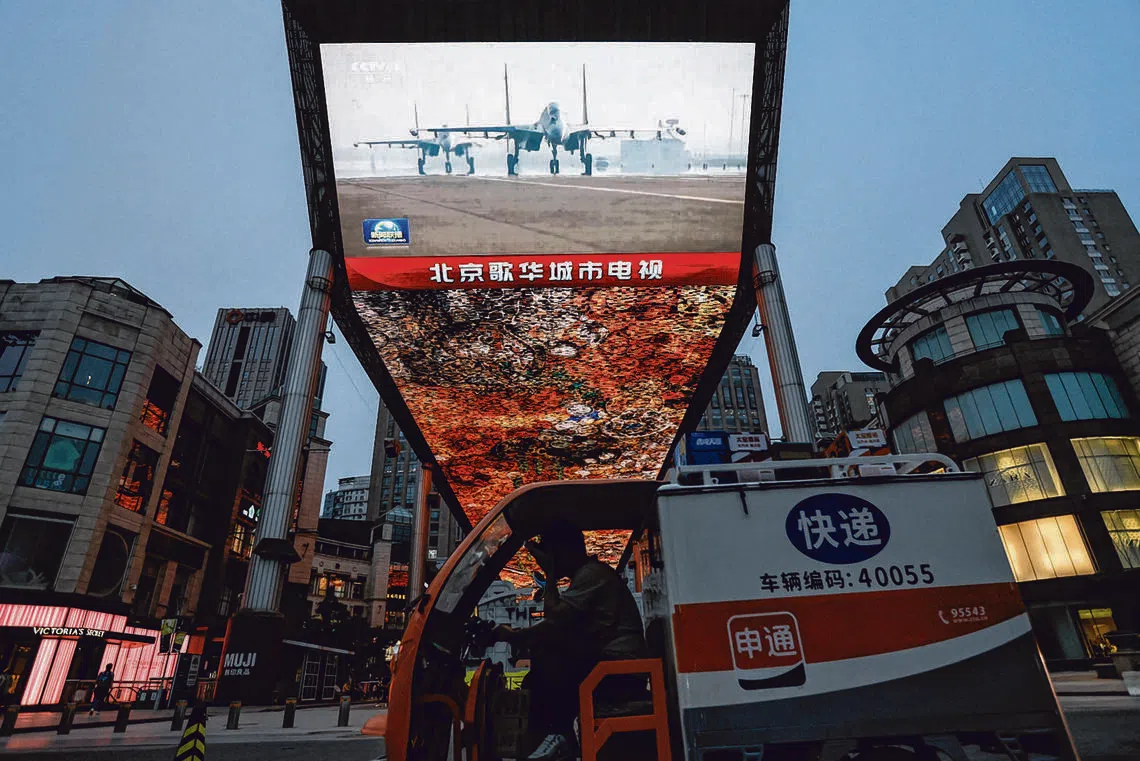
“Other things to watch are how transatlantic relations, Russia’s continuing war against Ukraine, and Israel’s position on Palestine develop,” he added.
The question of formal Palestinian recognition in the United Nations also remains unanswered heading into 2026.
Said SMU’s Prof Tan: “It would not be too far-fetched to describe 2026 as a year in which the world would be living dangerously.”
NTU’s Dr Tan added that the “gradual erosion of the existing international order... raises a deeper strategic question for Singapore”.
“How effectively the government anticipates and responds to these changes will have lasting implications for economic security, social resilience and public confidence.”
Decoding Asia newsletter: your guide to navigating Asia in a new global order. Sign up here to get Decoding Asia newsletter. Delivered to your inbox. Free.
Copyright SPH Media. All rights reserved.
TRENDING NOW
High Court rules against Julius Baer’s Singapore trust arm in US$50 million family trust dispute
MSCI proposes standalone status for Indonesia; Jakarta stocks plunge 8%

Once staunchly pro-China, Malaysian Chinese businesses are now distancing themselves from Beijing
No chicken feed: How Malayan Flour Mills built an empire from flour to fowl

