

The Fed’s remarkable feat
The US central bank has managed to humble hawkish and dovish critics alike
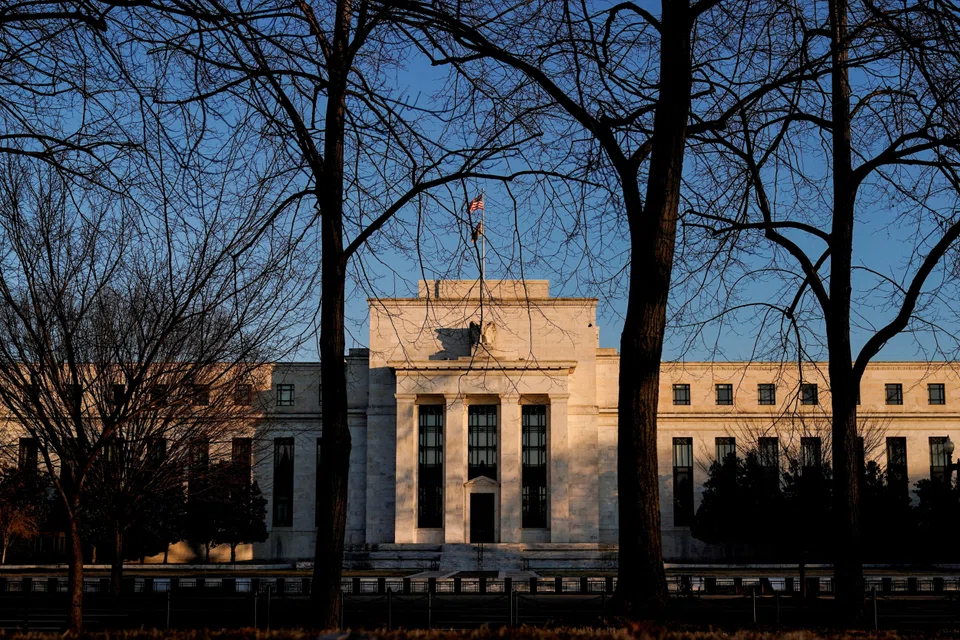
MONETARY-POLICY watchers are currently divided into two groups. But perhaps both sides should pause and reflect on where we were 18 months ago and where we are now.
On one side of the divide are those of us who still obsess over the great imbalance between the supply of savings and the demand for funds for real investment. These were the conditions that underpinned a decade of zero-lower-bound (ZLB) interest rates and secular stagnation (low growth due to structurally low aggregate demand) after the 2008 global financial crisis. Since there is no fundamental reason for expecting the pandemic and the subsequent economic reopening to have eliminated this imbalance, it follows that the equilibrium neutral real interest rate (where monetary policy would be neither expansionary nor contractionary) remains very low: namely, where it was during the secular-stagnation period.
It also follows that major central banks’ current policies are substantially restrictive. For those of us in the first group, the salient risk is that maintaining nominal interest rates at their current level could trigger a big recession, which would definitely return us to full-on secular stagnation, with interest rates at or near the ZLB and economies severely depressed.
By contrast, the second group takes current asset prices and interest rates as “natural”, arguing that these measures correspond to the economy’s current equilibrium. Viewed in this light, current central-bank policies are not substantially restrictive, but rather close to neutral. Members of this group seem preoccupied with memories of Arthur Burns. After becoming chair of the Federal Reserve early in 1970, he lowered the federal funds rate from above 9 per cent to 4.5 per cent by the end of the year. That turned out to be one of the major economic policy mistakes that gave us the inflation of the 1970s.
This second group worries that the Fed will repeat Burns’ mistake by prematurely lowering interest rates before confidence in its commitment to the low-inflation anchor is fully restored. Thus, the very wise and accomplished economist Mohamed A El-Erian warns: “The more the Fed gives in to investor expectations for sizeable and early rate cuts in 2024 – including getting closer to the six cuts priced in for next year – the more the markets will press for an even more dovish policy stance.”
The big salient risk, then, is that:
“… the Fed, uncomfortable with the disconnection between its forward policy guidance and market pricing, is pressured into policy actions that please markets but prove inconsistent longer-term with the central bank’s mandate. That would not be new. It played out in January 2019 with a policy U-turn when (Fed chair Jerome) Powell unveiled new language that opened up the possibility that the next move in rates would be down, six weeks after the central bank put markets on notice of further rises.”
My first reaction to this argument is to say: “But wait: The January 2019 pause worked out well!” Recall that by August of 2019, the Fed wanted a lower federal funds rate, and therefore did begin trimming it. Had Powell not made his U-turn, and had market long-term rates and financial conditions been more restrictive over the first half of 2019, the Fed might well have faced a more difficult problem in the fall of 2019 than it did.
Stepping back, I have been generally puzzled by the tone of most commentary on the Fed since Joe Biden became president and the late-pandemic economic reopening began. The Fed was indeed late in starting to raise interest rates during the reopening, but it had very good reasons, and there have been few if any downsides of its delay.
When the Fed did start tightening, it went much faster and further than I had wanted. But it turns out that Fed policymakers were right, and I was wrong. In retrospect, it makes sense that if you move late, you need to move aggressively to catch up. While some financial porcelain was broken – three major but small-enough-to-fail banks are gone – we already know how to clean up those kinds of messes before others cut their feet on the shards.
Now that the Fed is trying to thread a very small needle, all commentators would do well to acknowledge that orchestrating an extremely rapid and successful post-pandemic reopening followed by a macroeconomic soft landing is no small feat. It is an exceedingly difficult task that the Fed has so far carried out almost perfectly. Powell and his colleagues should be congratulated. Their current judgments of a complex situation deserve our respect. PROJECT SYNDICATE
The writer, a former deputy assistant US Treasury secretary, is professor of economics at the University of California, Berkeley, a research associate at the National Bureau of Economic Research, and the author of Slouching Towards Utopia: An Economic History of the Twentieth Century
TRENDING NOW

Two Singapore-listed palm oil firms named in Greenpeace report on Indonesian plantation fires

Singapore Airlines flight returns to San Francisco after ‘unruly’ passenger incident

Singapore looking into which companies responsible for haze-causing fires: PM Wong

Deluge IPO 3.86 times subscribed ahead of SGX debut

