Fewer SGX queries are a step in the right direction
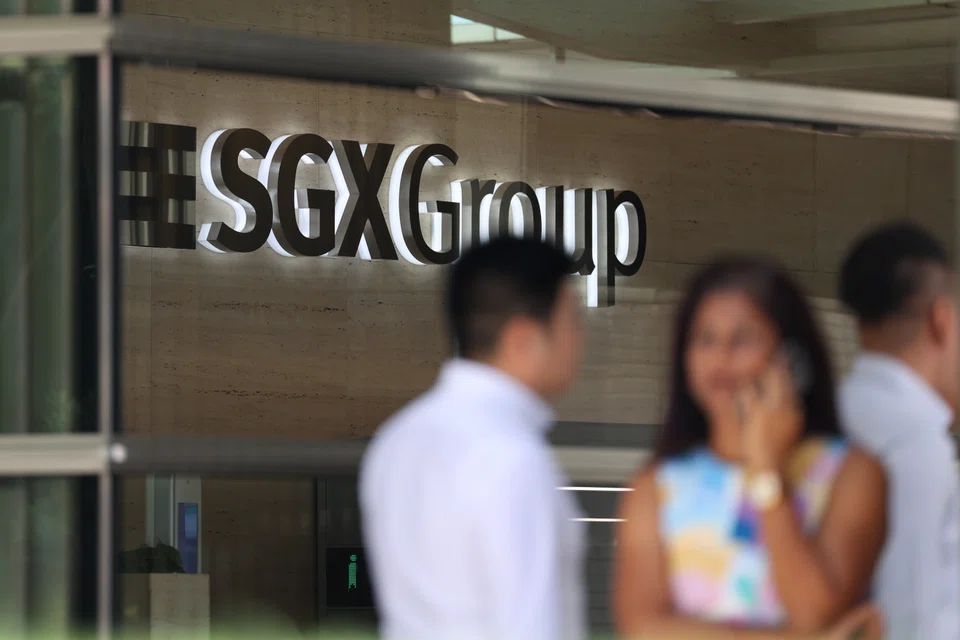
IN HIS commentary “Referee kayu? Like in football, focus in the market should be on the ‘play’, not the refereeing” (BT, Jan 27), Tan Boon Gin, CEO of Singapore Exchange Regulation (SGX RegCo), said that not only has the frontline market regulator fine-tuned its trading queries – which has helped reduce the number issued – it is also conducting a review of the entire trading query regime this year because of public feedback that trading and SGX intervention can have “a chilling effect’’ on the market.
This would surely be music to the ears of the many brokers who have long complained of over-regulation, which some claim to be one of the major factors behind the local market’s underperformance in recent years.
“Let animal spirits run unfettered.” Or: “Other markets don’t over-regulate. If we do, then people will simply take their business elsewhere.” These are some of the comments from observers clamouring for a loosening of the regulatory reins as a first step towards improving conditions in the Singapore market.
By the same token, though, there may be some who see Tan’s declaration as a retrograde step as far as ensuring proper market discipline is concerned.
After all, if a stock were to suddenly move by a large percentage in either direction for no apparent reason, then surely a query is warranted to at least try to shed light on why?
When I was a market reporter at The Business Times, I used to receive calls asking why SGX RegCo had not queried some unusual price movements while querying others of a similar nature.
In other words, my experience has been that not all market participants would welcome fewer trading queries.
Supporters of less regulation might assert that in almost every trading query case in the past, the replies have invariably been that the company concerned knew of no reasons why its shares were in play. If so, why bother querying in the first place?
The reason is that even if a query results in no new information being shared, the very act of asking is actually designed to signal to the market that regulators are either watching developments surrounding the stock, or already aware that something not quite kosher could be going on.
A routine trading query could then be escalated to a “Trade with Caution” alert, which is an even stronger signal that regulators are not wholly comfortable with developments surrounding that stock or the parties behind the trading.
It could also mean that the matter has been passed up the regulatory chain for closer investigation. Quite reasonably, SGX RegCo issues its “Trade with Caution” notices sparingly, given the seriousness of the intended signal.
There is therefore a fine balance to be struck between allowing “animal spirits to run unfettered” and ensuring a fair and orderly market where everyone operates on a level playing field.
While much would depend on the judgment of regulatory staff, issuing fewer trading queries for unusual price movements is a step in the right direction, especially considering the high level of sophistication in current tracking and surveillance systems.
Similarly, a public that has been calling for a lighter regulatory touch should also understand that when a trading warning is actually issued, it means that something significant is afoot and that sterner regulatory action could be forthcoming.