

‘Finance COP’ wrong-foots after fossil fuel backlash in first week
The challenges go well beyond a not-fit-for-purpose Azerbaijan event, with geopolitics also becoming increasingly caught up in climate diplomacy
THE annual Conference of the Parties (COP) summits are widely seen as the jewel in the crown of global climate diplomacy, with this year’s event billed as the “finance COP”. However, the Azerbaijan-hosted meeting last week had the most stumbling start to any such summit in recent years, which should now lead to comprehensive reform of the process.
The challenges, however, go well beyond a not-fit-for-purpose Azerbaijan event. In addition, geopolitics is becoming increasingly caught up in climate diplomacy. The latter factor was shown, for instance, in the decision of French ministers last week not to attend COP29 following critical comments about Paris’ overseas territories by Azerbaijan President Ilham Aliyev.
To be sure, there have been some key achievements in Baku in week one, even though these have been wrapped in some controversy too. For instance, Nov 11, the first day of the event, saw a deal on rules that govern the trade of carbon credits, breaking a long deadlock. For many market participants, this is a very welcome breakthrough.
However, some non-governmental organisations (NGOs) are concerned that the final rules to bring this new market to life were passed without sufficient debate. One NGO, the Friends of the Earth, said “the gavelling through of carbon markets on the first day of COP29 is unacceptable and undermines the credibility of the process”.
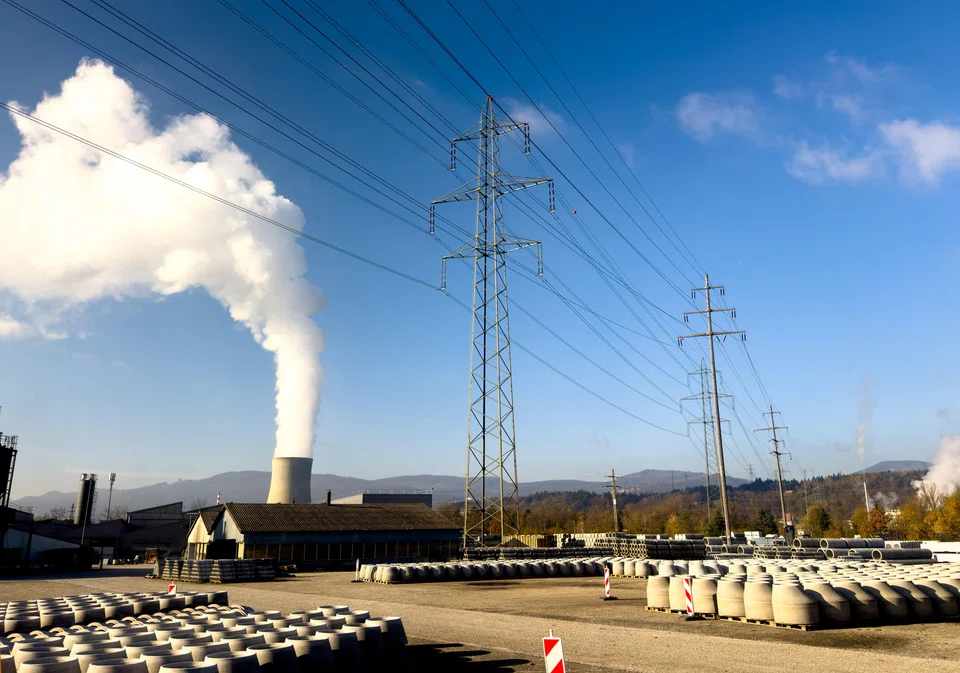
Another potential success for COP29 is the growing enthusiasm for nuclear power. Six new countries last week joined a pledge from last year’s COP28 to triple global nuclear capacity by 2050: Turkey, El Salvador, Kazakhstan, Kenya, Kosovo, and Nigeria. This means the members of this “nuclear club” number 31, although none of the six new signatories currently use nuclear power.
Several nations have been pushing the technology at COP29 as part of the solution to tackle climate change. Kazakhstan advertised its uranium exports, Poland described nuclear as “the future”, and Slovakia boasted about its plans for small modular reactors and recycling spent fuel.
Overall, however, the event stumbled badly at times, and there remains an outside possibility that the talks could even collapse in coming days. Several high profile critics, including former US vice-president Al Gore and ex-UN secretary general Ban Ki-moon, have asserted that the event is not up to scratch.
One key part of the criticism is the comparatively large number of fossil fuel lobbyists at this year’s event. It is reported that around 1,700 industry advocates have been accredited for COP29. That outnumbers the official delegations of almost every country at the conference, apart from three nations.
Astonishing as this may appear, it should perhaps come as no big surprise given that Mukhtar Babayev, the COP 29 president, is Azerbaijan’s minister of natural resources and previously worked at state-owned oil and gas company Socar. Moreover, UK-headquartered BP is Azerbaijan’s biggest foreign investor.
The influence of the fossil fuel industry has been seized on by NGOs who highlight that the 2024 Global Carbon Budget report, released last week, asserts that emissions from fossil fuels will rise in 2024 to another record high. That is a stark contrast to the agreement at the last summit, COP28 in Dubai, to “transition away from fossil fuels”, which was hailed as a breakthrough. It is also a stark contrast to the assertion of many scientists that emissions must plunge by 2030 to have any chance of keeping global temperature rise below 1.5 degrees Celsius.
So the first week of the summit therefore underperformed even the low expectations of COP29. This is disappointing as the event is part of an important period for global climate diplomacy, which will do much to determine the remaining success or failure of the 2015 Paris global climate agreement.
This week sees not only the conclusion of the climate summit in Azerbaijan, but also the G20 leadership summit in Brazil. Both will help shape the context for all powers to submit new nationally determined contributions, which are country-level emission reduction targets, in line with the 2015 Paris agreement, ahead of COP30 in Brazil in late 2025. This process will be critical, as there is a need for most nations to put forward greater ambition if the world is going to get anywhere close to meeting the Paris goals.
It is in this context that Azerbaijan has sought to develop a niche for COP29 as the “finance COP”. To deliver on this would, minimally, require a sustainable deal between the Global North and South on more financial help for the energy transition, including helping developing nations to mitigate and adapt to climate change. However, there remain big differences on how large this package should be, and how it should be paid.
Yet another challenge comes from US President-elect Donald Trump’s quarter after his clear win on Nov 5. The United States, as the world’s largest historical emitter and second-largest current emitter behind China, is crucial to the success of future global climate diplomacy.
Trump is widely expected next year to set in motion US withdrawal from the Paris agreement, which has a four-year “sunset” timetable. This is giving rise to speculation about the possibility that the treaty will wither.
This issue has become even more timely following the decision of Argentina last week to take the highly unusual step of withdrawing its negotiators from COP29. It is not yet clear whether this action might presage an exit too from the Paris treaty by Buenos Aires.
Far-right Argentinian President Javier Milei has said that the climate crisis is a “socialist lie”. He has previously threatened to withdraw from the Paris agreement, but since appeared to have backed down, although this position may change again given his political affinity with Trump.
Milei’s decision also shows the growing tensions in the Mercosur club of Latin American nations, with Brazil hosting not only this week’s G20 meeting, but also COP30 next year. Brazil last week unveiled more ambitious proposed cuts of 59 to 67 per cent by 2035, compared to 2005. However, the nation plans a 36 per cent increase in fossil fuel production by 2035 during this period, which has been criticised by NGOs.
Taken together, the next few days will therefore determine whether Azerbaijan can live up to its billing as the “finance COP”. Even if an overall deal is cobbled together at the last moment, the process must now be reformed to enhance its effectiveness for Brazil’s COP30.
The writer is an associate at LSE IDEAS at the London School of Economics
TRENDING NOW
Motoring tycoon Peter Kwee is back in court: Here are his previous legal battles

Demand, tech capabilities position Apac and AI as Skyscanner’s next growth frontiers: CEO Bryan Batista
Beyond the greenback, Vietnam’s big borrowers turn to Asian-currency bonds

Nvidia’s outlook cut to stable by Moody’s on governance concerns

