

Fujitsu’s silence is making a tech scandal worse
Japanese firms tend to go quiet when faced with bad news such as the UK’s post office scandal. The company should face the music.
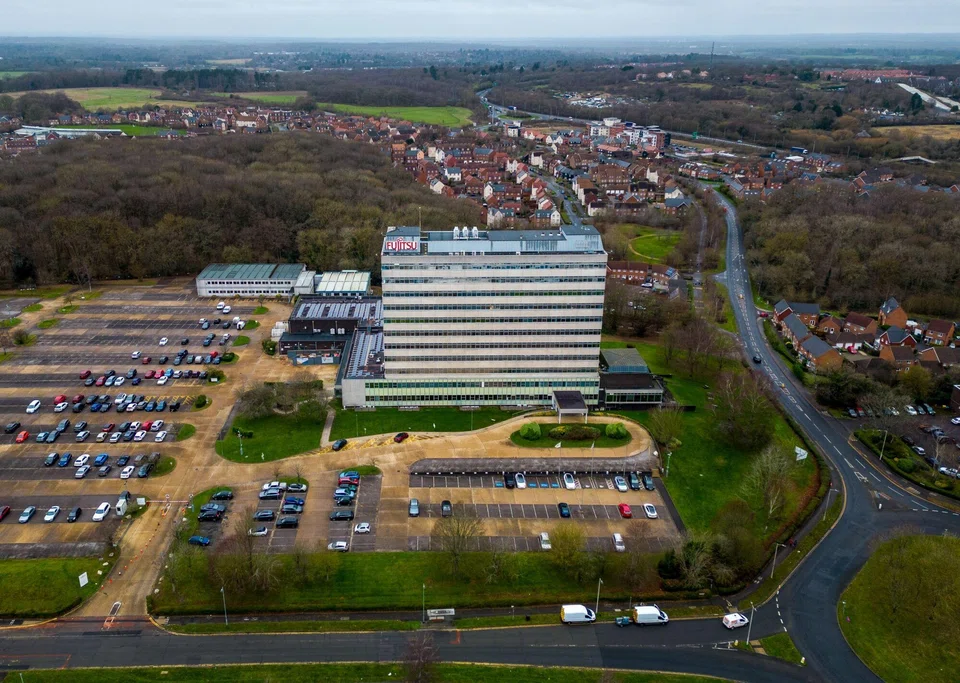

MANY in Japan were surprised to learn of the sudden surge of vitriol in the United Kingdom towards one of Tokyo’s corporate icons. Seemingly overnight, Fujitsu was UK public enemy No 1; in its home territory, few had ever heard of its faulty Horizon accounting software or a decades-long post office scandal.
One entity that shouldn’t be caught unaware, however, is Fujitsu itself. The firm has been conspicuously quiet since the ITV drama series Mr Bates vs the Post Office suddenly thrust the issue of dodgy software, built by a UK company it acquired in the 1990s, into the spotlight earlier this month. The faulty tech led to hundreds of post office branch managers being falsely prosecuted for theft. The company has issued statements supporting the ongoing public inquiry. Chief executive officer Takahito Tokita has yet to address the media.
Going silent is a typical playbook for Japanese companies when faced with bad news. It’s also a mistake.
Japan is world-class at many things, but public relations isn’t one of them. Whether self-promotion or damage control, companies and authorities alike are typically reluctant to get ahead of a story. Stonewalling and silence take the place of engagement, until the company decides that it’s ready to talk.
But in this case, the firm should step up its response. The very word “Fujitsu” is rapidly becoming a damaged good in the UK. That’s a worry for investors.
Like many storied Japanese brands, it may no longer have much of a consumer-facing presence, having long-since gotten out of the likes of mobile phones. But, what it does have is nearly £7 billion (S$12 billion) in British government contracts since 2012, according to one estimate; revenue that is now being jeopardised as politicians call for the firm to be held accountable. Fujitsu’s position as the only Japanese strategic supplier to the UK government is under threat.
It’s understandable, perhaps, that head office might not see it as its problem. The dubious software was, after all, built by International Computers, a venerable British company that Fujitsu acquired in the 1990s.
Japanese firms are often content to let their international subsidiaries run things largely independently, particularly if the board lacks international experience. And in the past, Fujitsu has certainly been content to let its UK unit handle the press on this incident. But it should realise the need for executives at the highest level to get out in front of this issue, given how anger in the UK is reaching boiling point.
The silent treatment rarely works well when Western audiences are involved.
Think of the reluctance of Akio Toyoda, then the CEO of Toyota Motor, to face a United States Congressional committee back at the height of the 2010 “sudden acceleration” scandal. Instead of ensuring that its message was the one the public heard, the automaker let others dictate the narrative, to its detriment; Toyoda was eventually forced to appear in front of Congress anyway.
Ironically, one of the best counterexamples I can recall also involves Fujitsu.
When the Tokyo Stock Exchange (TSE) was halted on Oct 1, 2020, due to a technical glitch, executives from the bourse swiftly met the press, expertly fielding detailed technical questions and accepting responsibility for the error instead of passing it onto the vendor – which was Fujitsu, developer of the Arrowhead trading system.
Episodes such as the exchange failure are now being dragged up in the UK press to paint a picture of the firm, even if they have little in common with Horizon (in the TSE incident, Fujitsu’s responsibility was mostly limited to an incomplete product manual).
Fujitsu would be better advised to start making this clear – preferably by offering up some very top-level executives – along with laying out what it’s doing to help the investigation, the history of its involvement, and the steps it will take to make amends.
Otherwise it risks being permanently misunderstood.
TRENDING NOW

KKR founders among investors buying 42% of Peter Lim’s Valencia; club valued at US$1.4 billion

Singapore’s central gas buyer affirms Indonesia’s role as ‘important partner’ amid export review warning

Why the biggest business decision about AI isn’t which model to choose

NEA issues notices to 10 Singapore-based companies, including Wilmar and APP, over haze

