Fullerton deal is no side gig for Japan Inc
Mitsubishi’s latest investment in Singapore’s Fullerton Health underscores how Japan Inc has been swooping in on healthcare assets across South-east Asia and reshaping the sector – block by block

“WHERE there’s a will, there’s a way” could well sum up Japan Inc’s quiet but profound pivot into South-east Asia’s lucrative private healthcare space, where demand outruns capacity.
When Sumitomo – the Japanese conglomerate – swooped in to acquire Malaysia’s CareClinics Healthcare Services in 2020, the climate was unforgiving. The deal was sealed at the height of the pandemic with travel and movement curbs turning negotiations and integration issues into a logistical nightmare.
But it paid off. Four years later, Sumitomo has grown that small foothold into the country’s largest private clinic network with over 100 clinics; it plans to triple this by 2026.
Since then, the Tokyo-based powerhouse has pushed beyond clinics into digital health and managed care, eyeing to play a bigger role in Malaysia’s strained healthcare system.
In late 2018, Mitsui & Co bought a 16 per cent stake in IHH Healthcare – long regarded as a crown jewel of Malaysian sovereign wealth fund Khazanah Nasional – vaulting itself to the single top shareholder in Asia’s largest private healthcare group. That move brought it closer to flagship brands such as Mount Elizabeth, Gleneagles, Fortis and Acibadem – part of a network that spans Asia and Turkey.
That was no accident. Mitsui first took a significant stake in IHH in 2011, before the healthcare giant’s dual listing on Bursa Malaysia and the Singapore Exchange. Since then, IHH has pushed into digital care and telemedicine, while Mitsui has doubled down and snapped up Singapore’s Eu Yan Sang with Rohto Pharmaceutical last year.
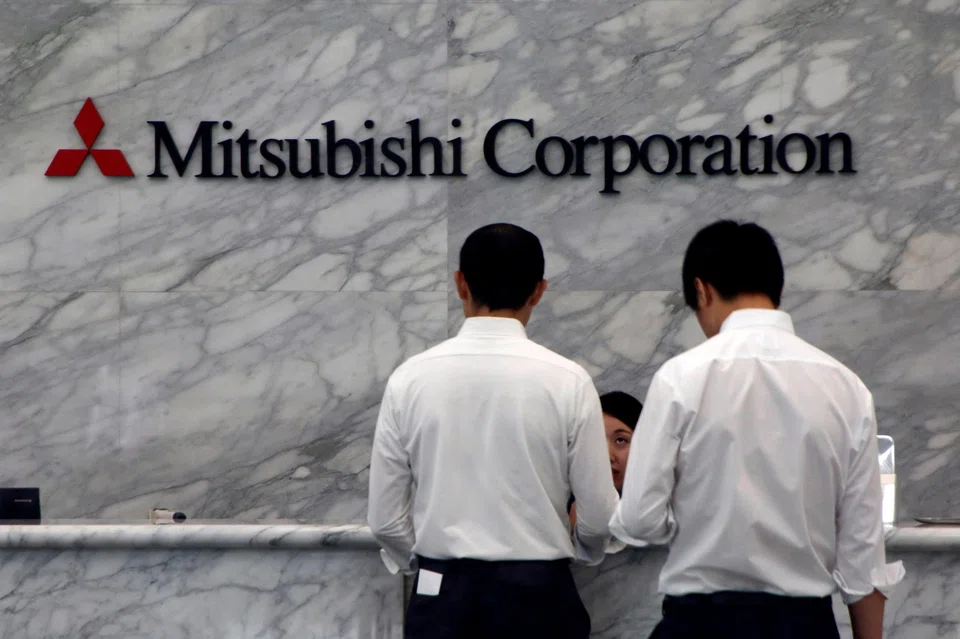
Now, in the latest sign of Japan Inc’s growing appetite for South-east Asia’s healthcare market, Singapore’s Fullerton Health announced that Mitsubishi Corp has acquired a strategic minority stake in the healthcare solutions provider.
Even as a minority investor, this could be a platform play for the Japanese corporate behemoth. Fullerton’s expansive network gives Mitsubishi an instant regional foothold, one it can layer with procurement scale, medtech partnerships and digital platforms, should it choose to.
These moves underline another truth: Japanese capital is looking outward for growth. Bain & Co notes that while private equity activity in Japan’s healthcare space has been rising, a mature market and a greying population mean steady demand but capped growth – making South-east Asia’s expansion story all the more compelling.
The region’s private healthcare sector is not just sizeable – it’s growing fast, thanks to a swelling middle class, urbanisation, greying populations and untapped ecosystems.
The much-publicised poker-game battle between Khazanah and India’s Fortis for Singapore’s Parkway Holdings more than a decade ago proved just how coveted the region’s hospital assets can be. Khazanah’s win and the string of buyouts that followed would be the genesis of IHH Healthcare.
Since then, several billion-dollar deals from TPG and Hong Leong’s buyout of Columbia Asia to KKR and GIC’s stake in the Philippines’ Metro Pacific Hospitals – now reportedly up for sale – have only reinforced the region’s allure.
Considering the rise of digital health (reportedly worth US$17 billion last year and potentially doubling by 2033), AI pilots and a medical tourism industry projected to reach US$100 billion by 2029, South-east Asia’s healthcare sector is nothing short of an investor magnet.
Japan Inc’s moves in the region may look like isolated deals, but together they could form a playbook. Squeezed at home, could Japanese capital be seeking a “second youth” in South-east Asia, where the healthcare sector is hungry for both capital and technology?