
G20 to Asean: Translating vision into action
 Add BT as a preferred source
THE year 2022 will end with a refreshed memory of how multilateralism is transforming the world we live in.
A series of events including the G20 Summit in Bali has opened our eyes to the importance of reforming our collective commitments. Indonesia’s G20 leadership has put a strong emphasis on how global economic transformation requires a more inclusive, sustainable and balanced effort, particularly in the midst of today’s unparalleled multi-dimensional crises.
At the foremost, the war in Ukraine undoubtedly dwindled our expectation that G20 this year will be able to deliver on its goals. In fact, the possibility of facing a big failure was highly presumed.
However, quite the opposite happened – the summit ended with a G20 Bali Leaders’ Declaration, consisting of commitments that emphasise swifter and stronger coordinated actions over many key issues.
Four key issues were comprehensively covered in 53 clauses of the declaration – namely food, health, climate, and energy, as well as financial crises. The solutions were listed ambitiously yet realistically, combining the advancement of technological and digital innovation, and previously agreed-upon frameworks.
Understanding the need to unlock investment and funding to support these policies, the G20 recalled the joint mobilisation of US$100 billion a year to address climate change, welcomed the Pandemic Fund hosted by the World Bank to assist in financing critical gaps of global health responses, and other pledges including US$81.6 billion of Special Drawing Rights (SDRs) to support countries in their ongoing efforts to face structural macroeconomic challenges.
Navigate Asia in
a new global order
Get the insights delivered to your inbox.
These well-calibrated commitments may have set the foundation to support sustainable recovery; however, it should not stop at the G20 level. The policies must be translated within the national and regional context, so that they would be concretely impactful even for countries outside the G20 forum.
Indonesia specifically will have another huge responsibility to steer these commitments into action, through the upcoming chairmanship of Asean in 2023. With this leadership role, Indonesia has to better align the G20 commitments to regional policies, legislation and circumstances.
Here are some suggestions:
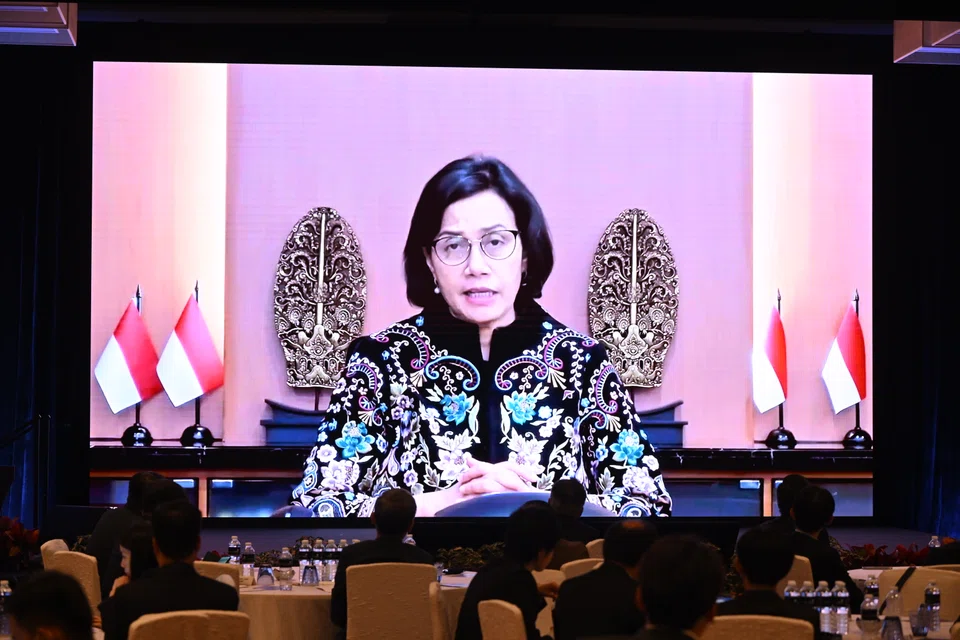
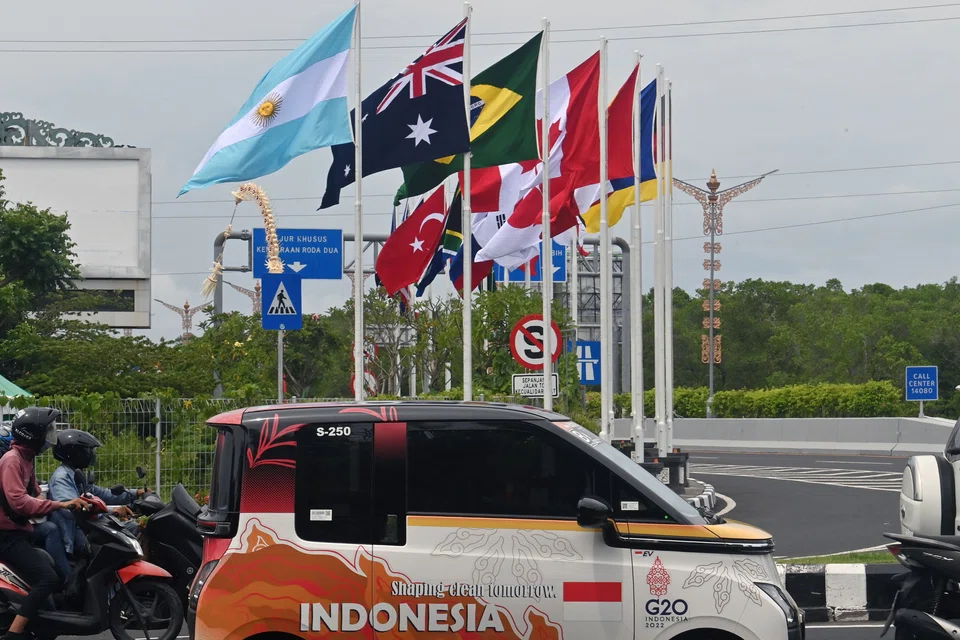
Firstly, Asean is significantly placing connectivity as the key driver of regional growth. The Covid-19 outbreak that had severely disrupted regional connectivity in the past few years has pushed Asean countries to strengthen long-term supply chain resilience and sustainability. The regional grouping remains committed to keeping the Asean market open for trade and investment – which should work with the G20 affirmation to realise a rules-based, non-discriminatory, fair, inclusive, and transparent trade and investment regime.
With its strong macroeconomic fundamentals – the Asean economies are projected to grow 5 per cent in 2022, with nominal gross domestic product (GDP) surpassing pre-pandemic levels – the region has shown strong recovery. There is synergy between Asean and G20 commitments to reform the multilateral trading system, and promote value creation through investment in highly productive sectors such as downstream manufacturing and digital trade as well as diversification strategies.
Secondly, the G20 commitments to strengthen digitalisation and sustainable finance developments including the Roadmap for Enhancing Cross-Border Payments are a very good fit to Asean society trends and needs. The Covid-19 crisis has accelerated the rise of digital payments among South-east Asians, with the addition of reportedly more than 60 million newcomers to digital services during the three years of the pandemic. The region’s digital services market is expected to grow strongly in the coming decade.
The region’s leaders further responded to this trend by welcoming more cross-border QR code payment linkages at the latest Asean summit in Cambodia – initially to enhance a more interconnected payments network across the region, furthering digitalisation and financial inclusion in South-east Asia.
Indonesia, as the only G20 member among Asean countries, has to be at the forefront of linking these efforts. Not only would this promote greater efficiency and connectivity in the financial aspects, it would also help reduce corruption and cross-border fraud – which, as we know, is pervasive in Asean.
Thirdly, micro, small, and medium-size enterprises (MSMEs) have received notable attention under Indonesia’s G20 presidency, as reflected through several clauses in the Bali Declaration. These cover issues ranging from effective usage of digital technology to provide jobs and skills development for MSMEs, to efforts to enhance labour productivity through better digital access.
Meanwhile, on its part Asean has been continuously bridging skills gaps through upskilling and reskilling the regional workforce and enterprises. The business wing of G20, Business 20 (B20), is also highly committed to accelerating these efforts by launching a legacy project called B20 Wiki, to enhance the quality and outreach of MSMEs. Businesses hope that Indonesia will continue to underscore the need to leverage MSMEs’ contributions over the next year.
Moreover, the imperative of linking the potential pathways from G20 and Asean commitments for achieving the energy transition agenda, encouraging effective use of resources, while at the same time maintaining economic competitiveness, will become more relevant in 2023 given the ongoing macroeconomic and geopolitical challenges facing business and industry. The list could go on and on; however, we may conclude that many of these efforts are interdependent.
The changing landscape of the emerging positive global economic growth in the Indo-Pacific region, including Asean, needs to be seen as an opportunity to bring more innovative solutions that are better tailored to the circumstances of our region. In many multilateral settings, regional countries’ economic voices and agendas are not usually seen as priorities, leading often to a lack of synergy and unaddressed issues. With Indonesia taking the helm at Asean following its G20 leadership, we are hopeful of Asean showing a different outcome.
While Asean has been known for its vision to push a stronger regional integration, its member countries have divergent interests and priorities, and hence often work in different directions in managing them. That spells further challenges for the grouping. However, with a common vision and shared interests in regional integration, Asean could potentially become the epicentre of global economic transformation.
Remember that the G20 and Asean shared the same challenges, including that of proving their relevance. In the wake of Indonesia’s successful G20 summit in November, we are optimistic that Asean, under its direction, will find silver linings amid these challenging times.
The writer is CEO of the Sintesa Group and chair of B20 Indonesia. She is also the coordinating vice-chair for maritime, investment and international relations in the Indonesian Chamber of Commerce & Industry as well as vice-chair of the Employers’ Association of Indonesia.
Decoding Asia newsletter: your guide to navigating Asia in a new global order. Sign up here to get Decoding Asia newsletter. Delivered to your inbox. Free.
Copyright SPH Media. All rights reserved.

