
Games in Washington, anxiety on Wall Street
 Add BT as a preferred source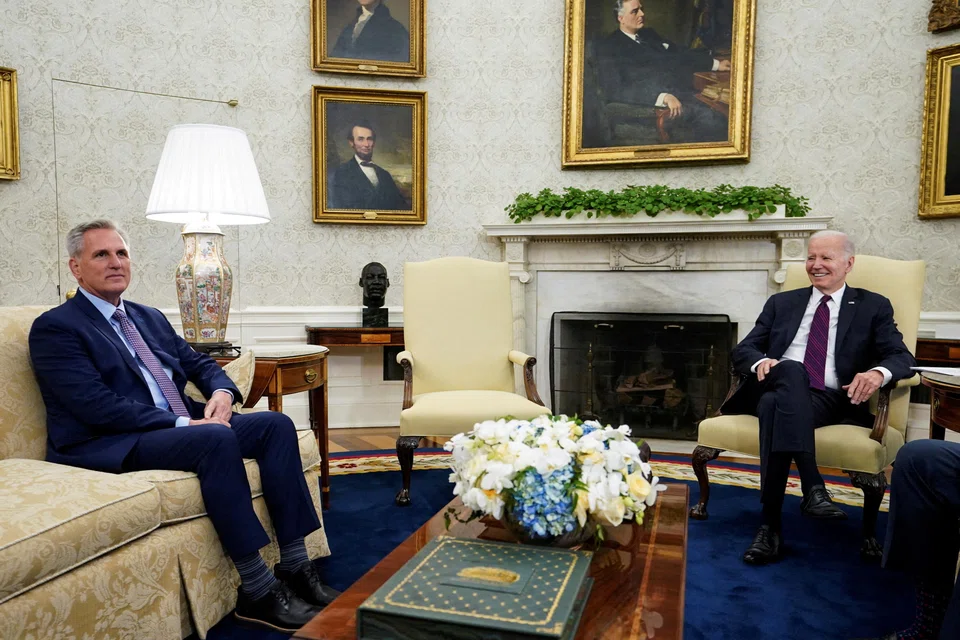
US PRESIDENT Joe Biden and Republican lawmakers remain locked in a stand-off on whether and how to raise the US debt ceiling, a US$31.4 trillion borrowing cap.
The negotiations – including a second meeting between President Biden and House Republican Speaker Kevin McCarthy on Tuesday (May 16) – have taken place against a backdrop of growing anxiety in the financial markets over the possibility that the US could run out of money to pay its bills on time by June.
The Biden administration is demanding that Congress raise the debt ceiling unconditionally to avoid a default, while the Republican leaders insist that such a move be accompanied by major cuts in federal government spending.
Adding to the sense of brinkmanship in Washington, former president Donald Trump urged his Republican allies to let the US default unless the Democrats agreed to “massive” spending cuts.
US Treasury Secretary Janet Yellen has warned that failing to lift the debt limit would have dire consequences for the US and the world economy, and that cuts in government spending combined with turmoil in the financial markets could lead to an economic recession.
Reflecting the sentiments in Wall Street, JP Morgan chief executive Jamie Dimon warned that the looming crisis in Washington over the debt ceiling could ignite “panic” in the markets, and that a default would be “catastrophic”.
Navigate Asia in
a new global order
Get the insights delivered to your inbox.
The exact deadline, aka “x-date” when the US could breach its debt ceiling, remains unclear, but the expectation is that it would fall between June and August. The mere prospect of default has rattled investors and unsettled the bond market, and has prompted two credit agencies to express their concern about the deadlock in Washington.
These developments are putting pressure on the White House and the Republican congressional leaders – which include McCarthy and Senate Minority Leader Mitch McConnell – to do everything in their power to avoid default and an ensuing financial doom by negotiating a deal to resolve the stand-off.
After all, reaching a deal that involves a “give and take” on the debt ceiling is a familiar political exercise in Washington. Of the 10 increases since 2011, seven were reached after the administration agreed to policy conditions, including cuts in spending.
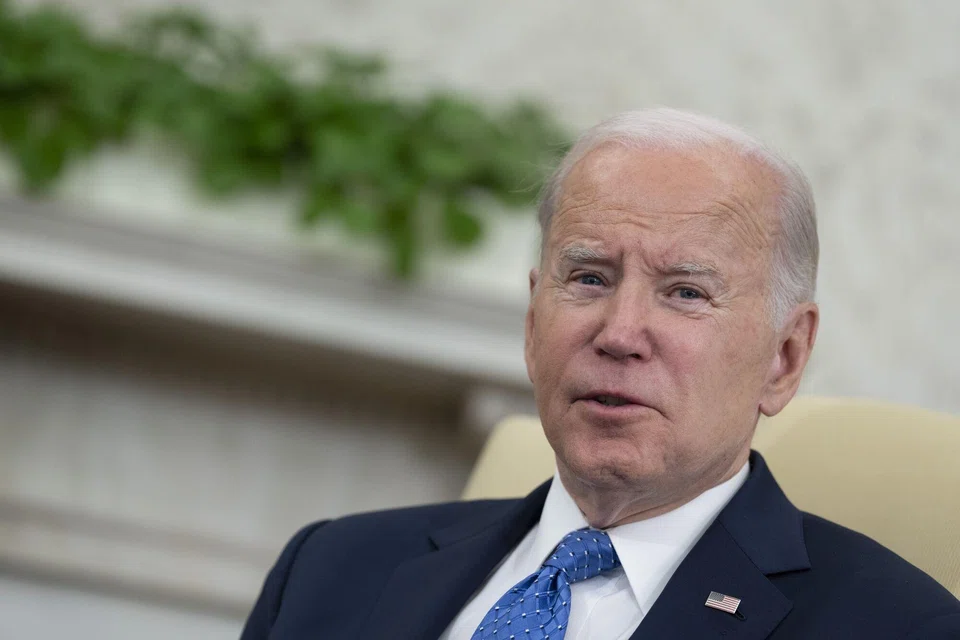

McCarthy, McConnell and other centrist Republicans should recognise that the main beneficiary of a possible default is Trump. He intends to run for president again next year, and has concluded that a sense of chaos in Washington, even if it means a national economic disaster, is the best way to advance his political agenda.
At the same time, while some Democrats are hoping that the crisis over raising the debt limit could allow them to place the blame for the mess on the Republicans, it’s more likely than not that an onset of economic recession would be politically devastating for Biden in 2024.
Agreeing to a few cuts in federal spending shouldn’t be a major blow to Biden’s economic agenda, while a deal with the White House should be welcomed by Republicans interested in denying candidate Trump a victory.
Both sides have therefore vested interests in ending the game of chicken as soon as possible, before they (and particularly the American people) end up bearing the brunt of defeat.
Decoding Asia newsletter: your guide to navigating Asia in a new global order. Sign up here to get Decoding Asia newsletter. Delivered to your inbox. Free.
Copyright SPH Media. All rights reserved.

