Gold is a ‘Bad Feeling’ asset; Bitcoin is a ‘Good Feeling’ asset
Why the precious metal took off during troubled times while the cryptocurrency faceplanted in front of punters
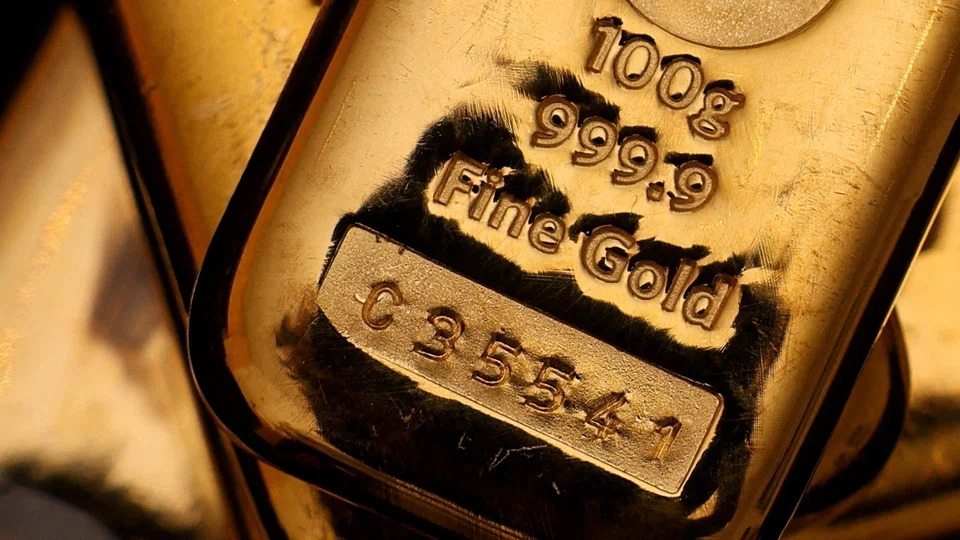
THESE are troubled times, the sort that gold and Bitcoin have been training hard for their entire existence.
Gold has been doing what it said it would on the tin, becoming an asset of refuge in a time of de-dollarisation fears and geopolitical tension. Even after taking into account its recent tumble, the commodity has outperformed almost every stock market over the last year.
Bitcoin, on the other hand, has not behaved like “digital gold” or become a popular alternative now that confidence in the US dollar, its fiat currency arch-nemesis, is at a low ebb. Instead, it has lost a third of its value from its peak last October, down some 20 per cent over the last 12 months.
Why isn’t the cryptocurrency doing what its proponents said it would? I could bang on about “leveraged beta” and “position liquidations”, both perfectly valid explanations.
Or, I could venture this thesis: Gold is a “Bad Feeling” asset and Bitcoin is a “Good Feeling” asset.
Gold is what you buy when people are running for the hills. Bitcoin is what you buy when you’re singing about the hills being alive with the sound of music. It is a call option on the future, soaring in value when the future looks promising.
Consider Bitcoin’s most ebullient times – in 2017, it rocketed off retail euphoria and the sheer novelty of the blockchain as a revolutionary concept. In 2021, it surged on easy monetary policy, low interest rates and a risk-taking environment in which investors gleefully punted money into anything speculative.
Its last bout of exuberance followed US President Donald Trump’s election victory in 2024, driven not by fear but by optimism about a friendlier regulatory climate.
When you believe that you can do anything, such as sell someone a US$6.2 million banana and call it art, that’s when you buy Bitcoin.
Why then, if Bitcoin were such a risk-on asset, would it be floundering even as the S&P 500 hit a fresh high last week? The two assets have generally been assumed to be correlated, but this relationship has been an inconsistent one throughout the cryptocurrency’s relatively short existence and I’d give it short shrift.
Also, the current stock-market rally is a bit of an abomination. It has been unnervingly lopsided, driven by a handful of stocks concentrated around artificial intelligence (AI), a technology that has either driven thousands of people out of work or served as cloud cover for mass layoffs. Not for nothing did The Wall Street Journal call the AI boom the “most joyless tech revolution ever” last November.
In fact, it is this flavour of stock-market rally, soured by fears of a bubble, that is part of the Bad Feeling, filling the crevices between warlike posturing and civil unrest. In the darkest moments of 2025, people and governments alike turned primaeval, loading up on bullion instead of Bitcoin.
Of course, this “feelings” thesis is imperfect and difficult to quantify. Also, a columnist on a deadline came up with it. So, you are perfectly welcome to test it and note what Bitcoin does the next time a Good Feeling rolls around.
But first, you would have to recognise what a Good Feeling feels like, for it has been so very long.