

The Great Game all over again, this time in the Pacific
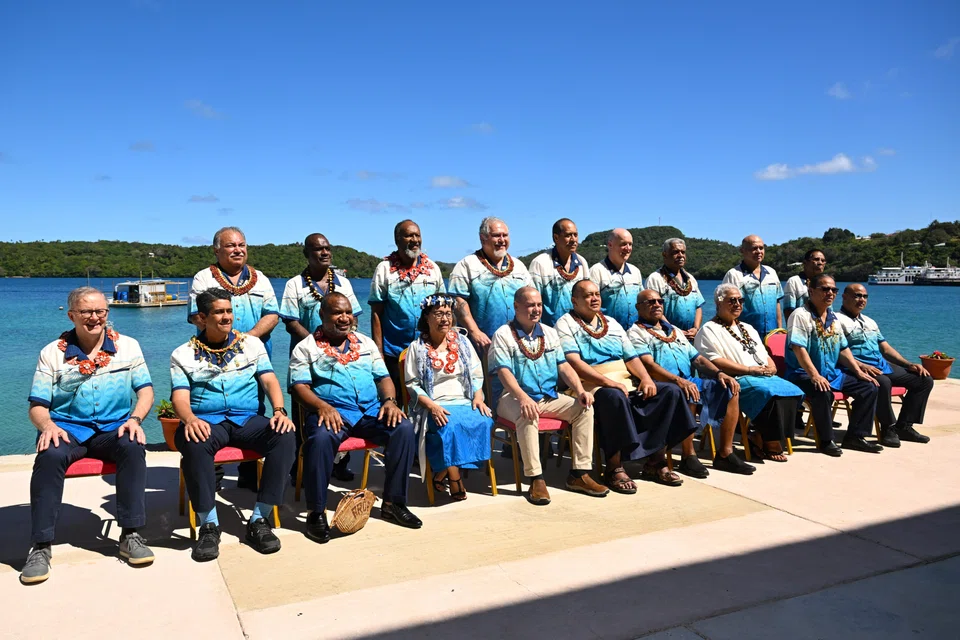

IF EVER there was doubt that great powers want a rerun of the 19th century Great Game – this time over island nations of the Pacific – events at last week’s Pacific Islands Forum meeting have put it to rest.
China got its way when it persuaded the gathering’s leaders to scrub all references to Taiwan in the final declaration. The United States and its allies got their way, when the meeting endorsed the Pacific Policing Initiative that aims to build capacity to meet the islands’ internal security needs. This is a plan to set up police-training facilities and keep ready a pool of trained officers to rush in if any Pacific country needs such help. Australia will help run the scheme and has pledged A$400 million (S$353 million) to pay for it. But Canberra was quick to proclaim that the idea for the scheme had come from the islands’ leaders themselves.
That may well be true, but it would be naive to assume that the initiative wasn’t a reaction to the deal the Solomon Islands struck with Beijing in 2022. Then China had pledged to help Honiara to maintain social order, provide aid during natural disasters and help safeguard national security. Although Beijing was at pains to reassure everyone that the agreement was transparent, open and inclusive and not directed at any third party, it set off a wave of conniption in Canberra and Washington.
TRENDING NOW

Government to bring forward raising of retirement age, give employers more financial support to create flexi-load jobs

Indonesia stocks suffer worst plunge in nearly 30 years as MSCI proposes standalone status
If Europe goes to war, the fallout will be felt in East Asia
Natural gas to stay for the long haul beyond 2050: Singapore International Energy Week panellists

