
Greater economic protectionism may follow European election
There is a potentially huge surge in support for right-wing and Eurosceptic parties at the expense of centrist parties
 Add BT as a preferred source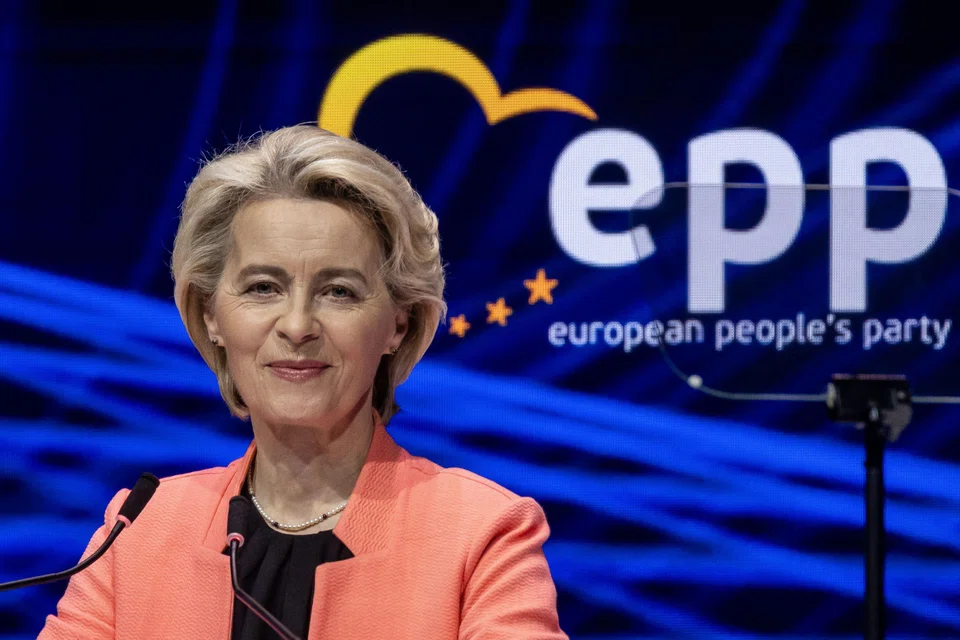
THE upcoming European Parliament election will see around 450 million people eligible to vote in one of the biggest democratic moments in the world this year. Yet, June’s ballot is largely flying below the global radar screen, despite the huge implications, in the EU-27 bloc and beyond.
It is no exaggeration to say that the ballot will determine the future direction of the Brussels-based club. This is not least given that it will help shape who becomes the next European Commission president, expected to be incumbent Ursula von der Leyen, despite French President Emmanuel Macron’s reported desire for former European central bank chief and Italian prime minister Mario Draghi to take the role.
The reason why the European Parliament ballot could be so impactful for the choice of the next Commission president is the potential application of the so-called Spitzenkandidat (or “top candidate”) system. This first took root only a decade ago in the run-up to the 2014 European Parliament elections.
Decoding Asia newsletter: your guide to navigating Asia in a new global order. Sign up here to get Decoding Asia newsletter. Delivered to your inbox. Free.
Copyright SPH Media. All rights reserved.

