Greening the Asean economy: From hype to reality?
The region’s transition to a green economy will inevitably hinge upon expanding green sectors such as clean energy and green infrastructure
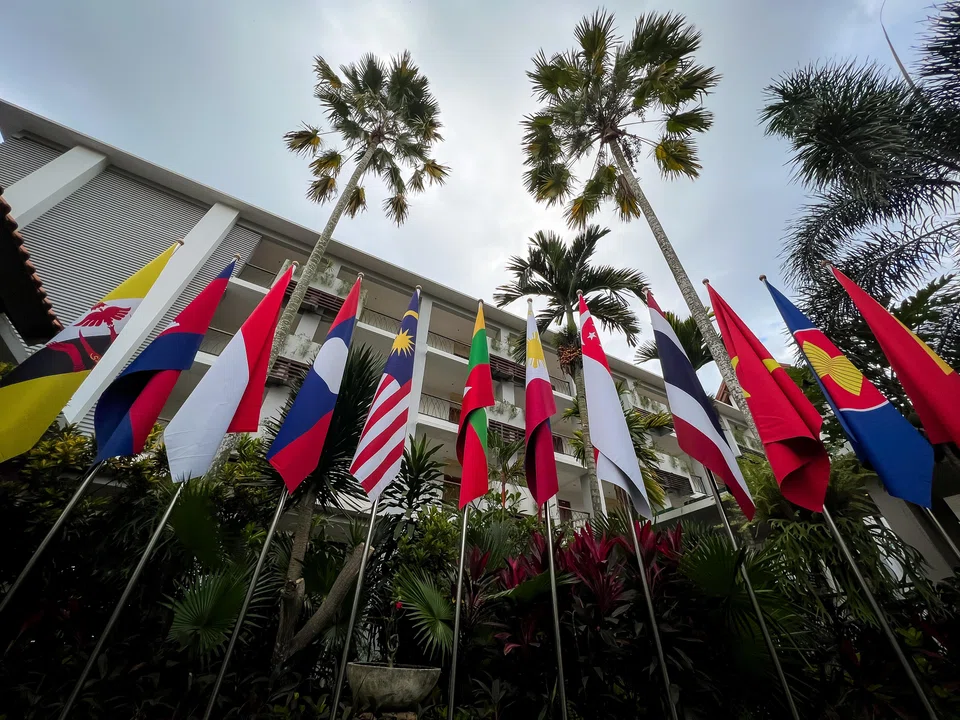
AT THE United Nations Climate Change Conference (COP 28) last year, four members of the Association of Southeast Asian Nations – Brunei, Malaysia, Singapore and Thailand – pledged to support a threefold increase in renewable energy capacity by 2030 as part of the Global Renewables and Energy Efficiency Pledge. Additionally, nine out of 10 Asean members, except the Philippines, have set net-zero emissions or carbon-neutral targets for 2050 (2060 for Indonesia).
Asean’s transition to a green economy – where growth relies on low-carbon investments, energy efficiency, and biodiversity protection, according to the United Nations’ definitions – will inevitably hinge upon expanding green sectors such as clean energy, green infrastructure and sustainable transportation.
However, despite its ambitions to increase clean energy capacity and reduce emissions, Asean’s clean sectors remain small and the progress of greening the economy is still slow. Until the wide diffusion and adoption of green tech throughout the region to transform the “dirty” sectors, the hope for green growth might remain an inflated one.