Healthier SG a shot in the arm for patients, less so for GPs?
The Healthier SG initiative will likely lead to better clinical outcomes for patients, but commercial considerations are also coming into play

Renald Yeo

FOR Singapore residents, the Healthier SG initiative means lower healthcare costs and greater convenience when visiting a doctor. But for general practitioners (GPs) participating in the programme, the benefits are less clear.
While enrolment in Healthier SG for patients and doctors alike remains voluntary, GP clinics have generally seen an increase in administrative costs arising from their participation.
This is compounded by worries that a component of the initiative that deals with subsidised medication could lead to a fall in drug revenue when it kicks in next year – and it remains unclear if monetary incentives from Healthier SG would make up for the combined shortfall.
Pluses for patients
Healthier SG is a national healthcare strategy that encourages residents to enrol with participating clinics. Those aged 60 and above have been able to enrol since Jul 5. Since May, pre-enrolment has been available for patients aged 40 and above who have chronic conditions such as diabetes and high blood pressure.
Benefits of enrolment include a free onboarding health consultation; subsidies for chronic disease medications that are on par with those available in polyclinics; and government-paid health screenings and vaccinations.
About 67,000 individuals have enrolled into the programme as at Jul 9, while some 900 GP clinics have signed on.
From a patient’s point of view, enrolling in Healthier SG is clearly worthwhile, said Lim Chee Sem, medical director of Caredoc Medical Clinic. This is especially true for patients who would have visited polyclinics instead of GP clinics in the past due to cost concerns.
With Healthier SG subsidising much of the cost of visiting GPs, patients can afford to do so and thus avoid the longer waiting times and further commutes typically associated with polyclinics – which means greater convenience, added Dr Lim.
“I do think that with Healthier SG, the government is trying to move patients – especially those with chronic conditions – away from polyclinics, and into GP clinics instead,” said Mok Boon Rui, founder and CEO of Pinnacle Family Clinic.
Beyond costs and convenience for patients, Healthier SG also puts greater emphasis on continuity of care and preventive medicine, doctors told The Business Times.
When patients visit the same GP over the long term, doctors can provide more “holistic care”, said Eric Chiam, founder and CEO of Minmed Group.
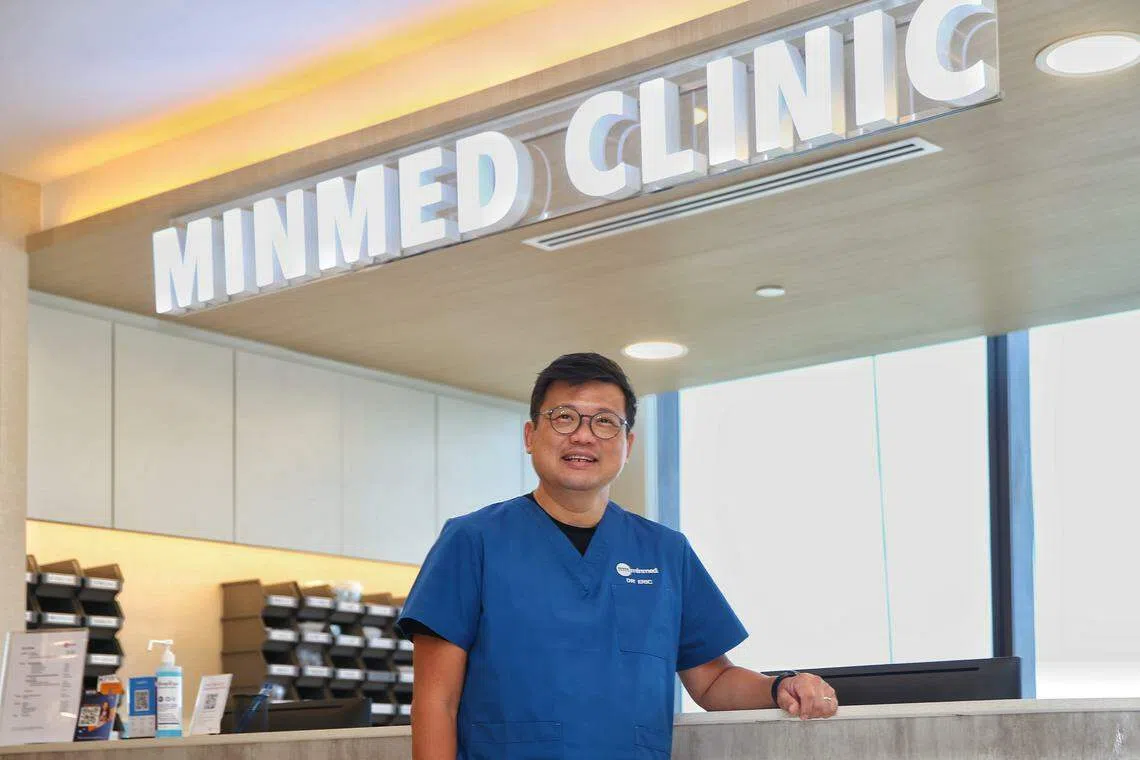
“When you have a consistent routine, the doctor will know your personal medical history, as well as your social history – we can then understand why the patient is not taking his medication, or how his diet is going, or the kind of support he has at home,” he added. “The doctor-patient relationship will be an intimate one, and there will definitely be huge benefits.”
As for preventive healthcare, the benefits are obvious, GPs said. When chronic conditions such as diabetes and high blood pressure are managed with regular checkups and subsidised medications – as Healthier SG encourages – then fewer such patients end up in hospitals in the long run, said Dr Mok.
“The cost of treating someone who suffered a heart attack at a hospital is probably equal to managing the chronic conditions of 100 people through preventive care,” noted Lim Han Wei, medical director of Silkroutes Medihealth.
The cost of earning incentives
For GPs, however, the calculations are different. Under Healthier SG, GPs still charge fees for services provided. In addition to that, the Ministry of Health (MOH) pays out monetary incentives when certain milestones for each patient are met.
For instance, MOH fully subsidises the onboarding health consultation. Subsequent incentives are paid out when the same patient undergoes certain procedures, such as blood tests and vaccinations, in accordance with the health plan drawn up by their GPs.
To receive the incentives, GPs send claims to MOH – similar to the current procedure under the Community Health Assist Scheme (Chas) for treatments and surgical procedures.
Yet despite the incentives, GPs fret that the costs of enrolling and participating in Healthier SG could outweigh any potential growth in revenue.
For one thing, as incentives are tied to patients participating in multiple consultations and procedures, this requires a more active line of communication between clinic and patient. As Healthier SG is a new initiative, clinics must also field many queries from would-be patients – or risk losing them to competitors.
All of this means greater manpower and administrative costs, GPs said.
Pinnacle, which has 11 clinics islandwide, hired three full-time employees this year just to manage enquiries, enrolment and follow-up actions with Healthier SG patients, said Dr Mok. “At this point, I don’t know if the extra revenue from Healthier SG will cover the administrative costs.”
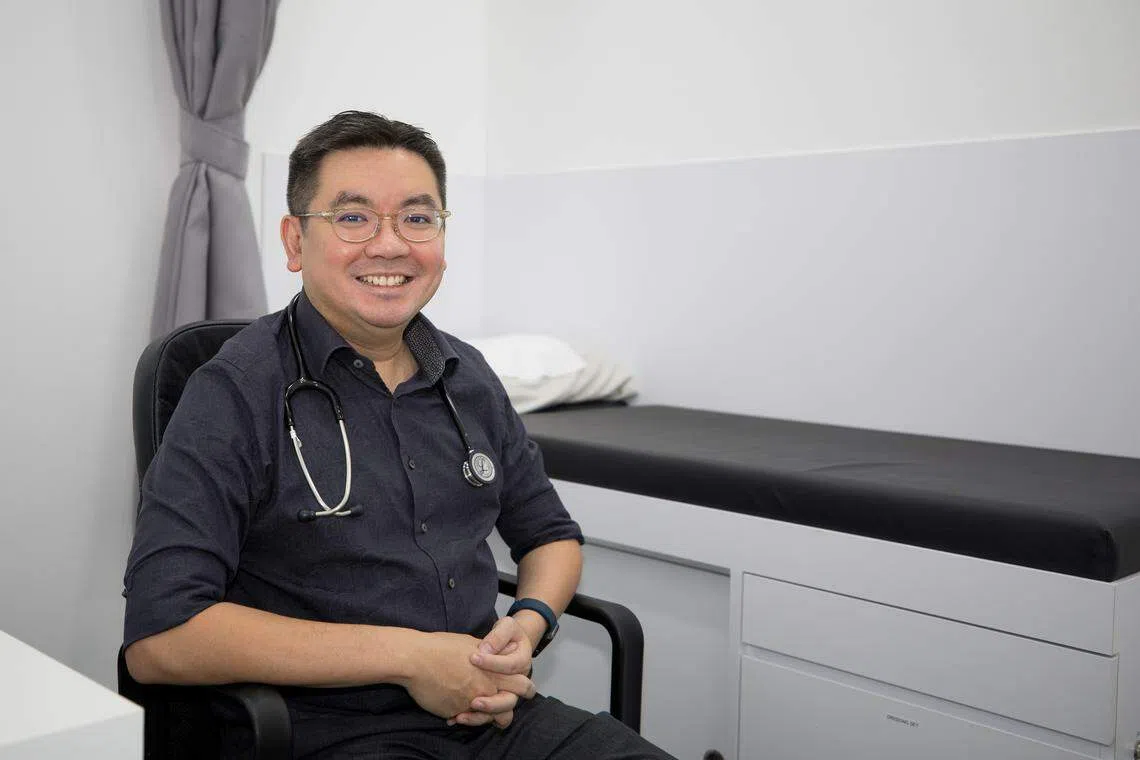
For smaller chains or solo practitioners, hiring additional staff might not even be an option – which could then mean a greater administrative workload on the doctors themselves.
“I think for smaller players or solo practitioners, the doctor has to ‘bao ga liao’ (be in charge of everything),” said Silkroutes’ Dr Lim, who oversees three clinics.
Whitelist woes
Another concern that GPs have is that Healthier SG could reduce their revenue from selling medications.
From early 2024, Healthier SG patients with chronic medication needs will be able to buy whitelisted medications from participating GPs, and enjoy government subsidies ranging from 50 per cent to 87.5 per cent, depending on one’s income.
For patients who qualify for the upper tier of subsidies, the cost of whitelisted medications at GPs would be similar to that of polyclinics.
While such patients can still choose to purchase unsubsidised medications, they are likely to opt for the cheaper alternative due to the stark differences in price.
One tablet of amlodipine, used to treat hypertension, could sell for as little as S$0.20 per tablet with government subsidies, compared to S$0.65 without subsidies at Pinnacle’s clinics, said Dr Mok.

As a result, revenue from medications could take a hit from Healthier SG, GPs said, though the share of total revenue that clinics derive from medications varies depending on the patient profile.
For instance, clinics in estates with a bigger proportion of senior citizens – and therefore more patients with chronic conditions – could see a larger loss of drug revenue from Healthier SG, said Seow En Hao, founder of EH Medical.
“If you look at your receipt, what are you usually paying for the most when seeing a GP? It’s not the consultation, but actually the medication,” said Dr Seow.
Furthermore, GPs cannot simply replace their current inventory with whitelisted medications, because the subsidised drugs can only be purchased by Healthier SG patients. This means extra logistical concerns in stocking up on whitelisted medications and existing unsubsidised drugs, due to the larger storage footprint required from the expanded inventory.
Because of the overlap, mistakes – such as selling subsidised medications to non-Healthier SG patients – may eventually occur too, said Pinnacle’s Dr Mok. “You just have to learn from it, and make sure it doesn’t happen again. But mistakes may happen.”
Dealing with bureaucracy
Healthier SG also exacts some less direct and less tangible costs.
One of these is digitalisation. To participate in Healthier SG, GPs must ensure that their clinic management system (CMS) is compliant with the platform and can submit data to the National Electronic Health Records system. This is so that the government can receive data when GPs enrol patients, record health plans and make referrals.
To support GP clinics in adopting or upgrading their CMS, MOH is providing a one-time grant of up to S$10,000.
But some older GPs, or those more averse to digitalisation, may have chosen to forego participation in Healthier SG because of this requirement, noted Caredoc’s Dr Lim.
IT system instability is another worry. GPs raised concerns that Healthier SG claims could be rejected, based on their experience with Chas claims.
“The payments (from MOH) are based on the services provided, and the claims have to be recognised by the system, or we will not be paid,” explained EH Medical’s Dr Seow. “Currently, MOH is involved with GPs on claims like Chas and vaccinations… We had issues where the system does not recognise the claims, or it just breaks down.”
“I cannot imagine in the future, when there are many more participating clinics that have many more claims (under Healthier SG), the system would not fall short of expectations – and money will be stuck,” added Dr Seow.
To rectify such issues, clinics have to liaise with MOH or other government agencies, adding to their administrative work.
The increase in administrative workload also feels like a bureaucratic burden – which some GPs may unfavourably associate with public healthcare institutions.
Said Caredoc’s Dr Lim: “Many GPs left public healthcare to strike out on their own, partially because they wanted to handle less admin tasks. With Healthier SG, maybe some of that is back.”
Not all bad
Still, there remain potential upsides for GPs participating in Healthier SG. While it is too early to tell if MOH incentives will be enough to offset higher costs and lower medication revenue, most GPs remain optimistic.
“If you look at the sum total of it all, how the medication impacts (us) has got to be put against the entire contribution of the other service and funding points. I think if we look at it in totality, it will be additive,” said Minmed’s Dr Chiam.
“Things are going to be very dynamic, and I’m sure that there’s going to be a lot of recalibration along the way: policy tweaks, funding changes, price reviews, and so forth, for services as well as for products like medication,” he added.
Some 3 per cent of Minmed’s eligible pool of patients who have utilised its services in the past have enrolled within the first week of Healthier SG’s launch, while Pinnacle has seen about 400 patients register for the initiative during the same period.
More fundamentally, regardless of the figures, remuneration should not be the primary motivator of GPs, even if there is short-term financial pain, argued Caredoc’s Dr Lim. “As doctors, we should be most concerned with the clinical outcomes.”
With the Healthier SG initiative having just launched, it should receive a fair shake, he added. “I think it’s way too early to decide if Healthier SG is a success or a failure (for GPs). Let’s give it some time.”