Heat stress from climate change could worsen social inequality
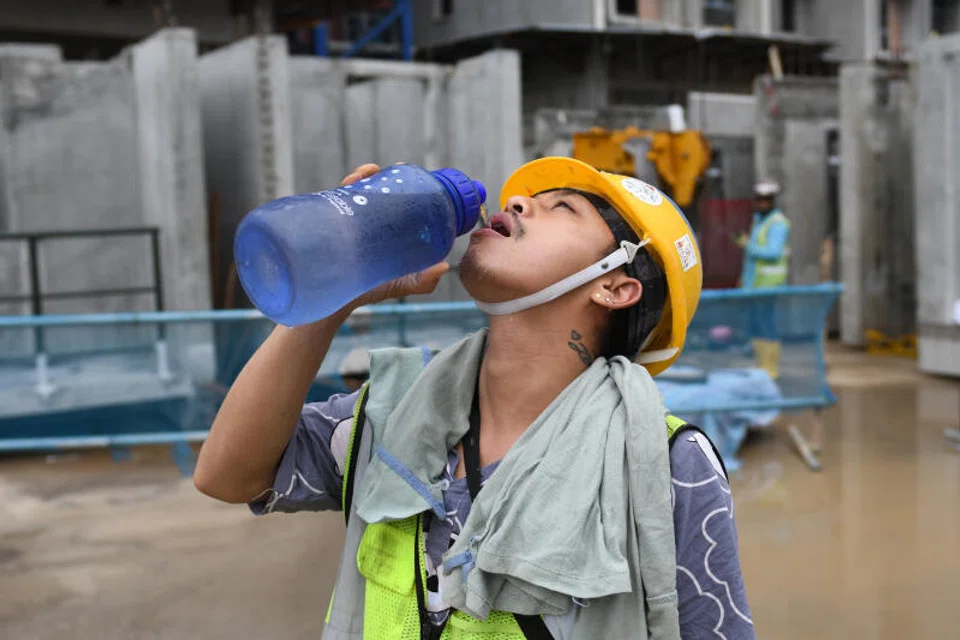
HEAT has an insidious link to social inequality: as temperatures soar with climate change, it is often the poor who bear the brunt of the health and economic impact. Tackling heat-stress inequality will be critical for policymakers all over the world, as part of their national climate adaptation plans.
Scientific research shows that the world is headed towards more extreme heat. A national climate change study by Singapore, released last week, predicts that the city-state’s mean daily temperature could rise by as much as 5 degrees Celsius by the end of the century.
Scorching days are set to become a new normal. In the last four decades, Singapore on average had 21.4 “very hot” days annually, when daily maximum temperatures exceeded 35 deg C. By 2100, the country is projected to experience 41 such days annually at best, and 351 at worst.