

Heatwaves spell new risks that businesses must prepare for
AS GLOBAL temperatures soared the past month, an unusual report emerged from Italy: Dairy farmers were ramping up the use of giant fans and sprinklers to cool down their cattle. Such “cow coolers” were previously only used in the two hottest months, one farmer told the Financial Times. But these systems now have to be kept running five months a year, racking up significant costs.
Over in Greece, another oddity surfaced: Two flights of budget carrier Scoot had to fly without passengers’ baggage. The reason was once again extreme heat. Under high temperatures, it becomes harder for plane engines to generate sufficient lift for take-off. As one columnist put it: “Lest you think air travel couldn’t possibly get more miserable, climate change is here to prove you wrong.”
From flying to farming, a whole gamut of industries is facing unprecedented risks from a hotter planet. It is imperative that businesses start tracking these risks and planning ahead for them, as part of their environment, social and governance (ESG) responsibilities.
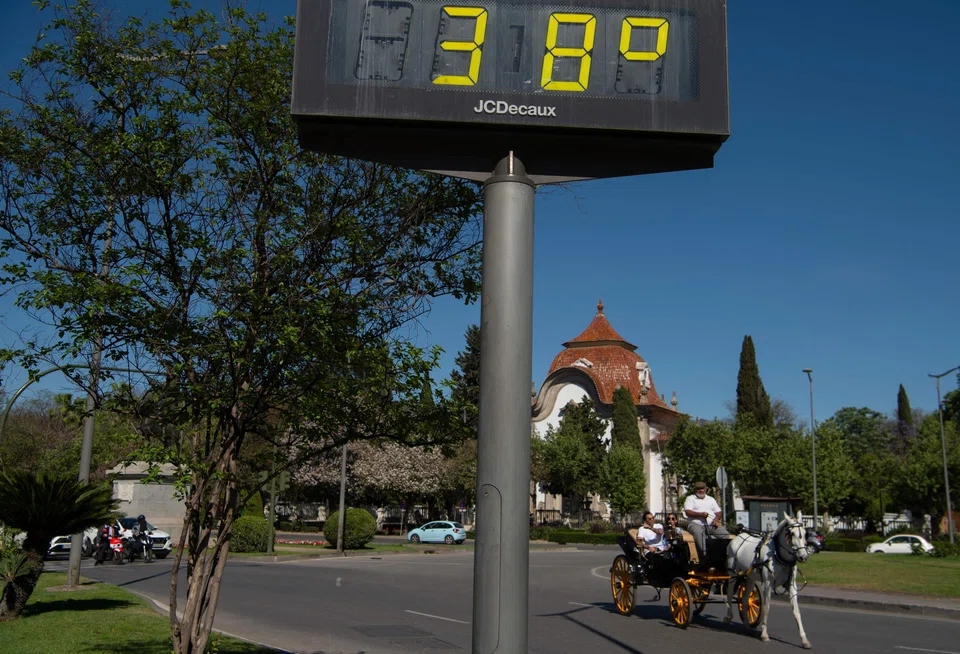
There is a 50 per cent chance that 2023 will be the hottest year ever recorded, and 2024 could be even worse, according to US climate experts. The past month’s heatwaves struck millions of people across Asia, Europe and the US, with temperatures soaring to as much as 46 deg C in the US city of Phoenix, Arizona.
Heatwaves not only disrupt business operations but also create health hazards for workers who are exposed to the elements. A 2021 paper by the Atlantic Council, a US think tank, estimates that labour productivity losses due to extreme heat could hit US$200 billion by 2030 in the US, and reach US$500 billion by 2050, without meaningful action.
How should businesses prepare for the new reality of extreme weather? It begins with adequate measures to safeguard the workforce – ensuring that workers are not exposed to the sun for too long, and equipping buildings and infrastructure with sufficient cooling systems. Investing in automation could also spare workers from excessive heat stress. These are costs that businesses certainly should not skimp on.
Companies will also need to forecast for various scenarios of extreme weather and diversify their supply chains adequately to prevent shocks. Some companies may need to make difficult decisions to pull out of certain cities that are overheating, or to revamp their product mix according to climate risks.
These are, of course, only stopgap measures. On a more fundamental level, businesses will need to do their part to reduce greenhouse gas emissions, by shifting towards sustainable energy sources and investing in green technologies. This will be a long and difficult transition, but critical for adapting to and mitigating climate change.
As United Nations chief Antonio Guterres noted: “Climate change is here. It is terrifying. And it is just the beginning.”
TRENDING NOW

KKR founders among investors buying 42% of Peter Lim’s Valencia; club valued at US$1.4 billion

Singapore’s central gas buyer affirms Indonesia’s role as ‘important partner’ amid export review warning

Why the biggest business decision about AI isn’t which model to choose

NEA issues notices to 10 Singapore-based companies, including Wilmar and APP, over haze

