How AI will remake the rules of international trade
The US is likely to remain a leader in artificial intelligence’s innovation, but it may need to rely on other nations for final AI outputs
WHEN it comes to international trade and investment, artificial intelligence (AI) will create some obvious winners and losers. It’s the second-order effects that may prove more interesting.
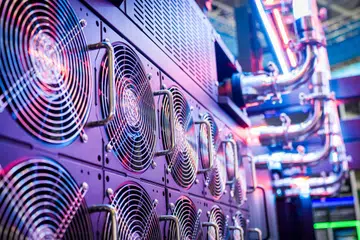
To understand those, start with two premises: First, AI services will consume a lot of energy, not all of which will be green. Second, many nations will regulate either the use of AI, or the implementation of AI-derived goods and services, for instance the creation of new pharmaceuticals or new educational techniques.
Let’s consider each of these factors in turn.