

How rising conflict is reshuffling global supply chains
Research by the Bank for International Settlements shows goods are subject to increasingly complex delivery routes
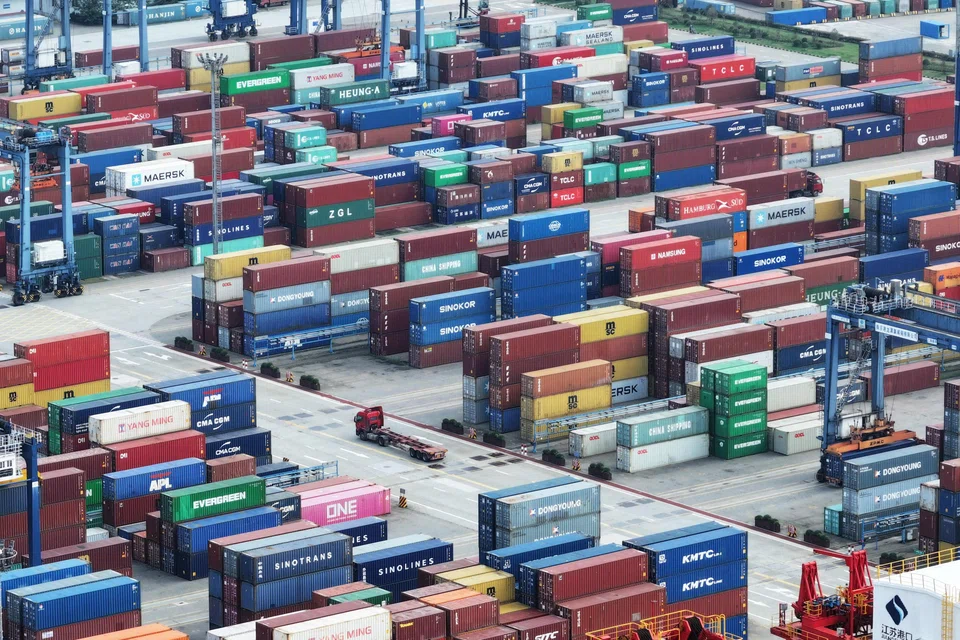
THIS week, the world is confronting the horrific human cost of conflict. But as more hellish headlines emerge from the Middle East and Ukraine, economists are also trying to tally the financial cost of this geopolitical fracture.
Take the International Monetary Fund (IMF). As its annual meeting gets under way, it has just released its latest World Economic Outlook (WEO), with the usual analysis of future trajectories for debt, growth and inflation. One novel feature of this year’s WEO is that the word “fragmentation” is cited no less than 172 times; five years ago it was mentioned just once.
No surprise there, perhaps. IMF economists (like global investors) fear that rising strife will undermine growth, not least by shattering global supply chains. “The splintering of countries into blocs that trade exclusively with one another... could reduce annual global GDP (gross domestic product) by up to 7 per cent,” it noted.
TRENDING NOW
GCash parent Mynt rises in market debut after South-east Asia’s top 2026 IPO

In the age of AI, what is a university education for?
Singapore to use ‘every legal and regulatory lever’ against companies linked to haze: Shanmugam
‘IPOs are not the only vehicle’: KKR heads for record exits even as firms stay private for longer

