

Hybrid meetings should be the default for listed companies

Raphael Lim
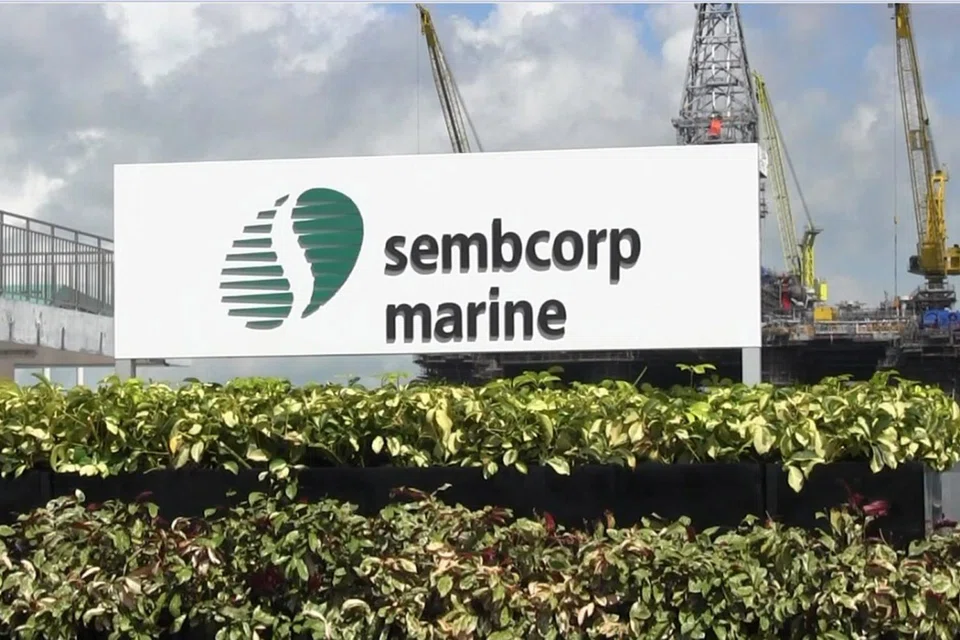
SHAREHOLDERS of mainboard-listed Sembcorp Marine will vote on Thursday (Feb 16) over the company’s proposed combination with Keppel Offshore & Marine (KOM).
The S$4.5 billion deal – which was announced nearly a year ago – is a major decision for shareholders on the company’s future. Proponents say the acquisition of KOM could create an enlarged and more competitive offshore & marine group.
But opponents say Sembmarine is overpaying.
The financial terms of the deal are substantial. Sembmarine would have to issue 36.8 billion new shares – more than doubling its existing base of 31.4 billion shares – to Keppel Corp as consideration for KOM.
Despite its obvious significance, Sembmarine shareholders will not be able to raise questions about the deal in person or vote at a physical extraordinary general meeting (EGM).
The meeting is being held virtually, which Sembmarine’s board said is a “precautionary measure due to Covid-19”. This decision has been queried and criticised by shareholders, but Sembmarine has stuck to its position.
With Singapore lowering the Disease Outbreak Response System Condition (Dorscon) level to green, a natural question for future meetings would be whether companies should still be allowed to cite Covid-19 concerns to avoid holding physical meetings.
The authorities are currently consulting on legislation to allow for virtual or hybrid meetings. It may also be worthwhile to consider whether hybrid meetings should be made a default for all listed companies.
Direction of travel
Covid-19 made virtual meetings a necessity at one point, but those health risks have since receded.
Although the move to Dorscon Green came after Sembmarine’s EGM notice was issued on Jan 31, it is obvious to most that the local Covid-19 situation has changed from the time when virtual meetings were the only option.
Crowd-control measures have long been rolled back, while other Covid-19 measures were also removed over the past year.
The Ministry of Law said on Dec 15 it would revoke the Covid-19 (Temporary Measures) (Alternative Arrangements for Meetings) Orders that allows companies to hold virtual meetings, effective July. Meanwhile, the Accounting and Corporate Regulatory Authority (Acra) and Monetary Authority of Singapore (MAS) are also working on legislative amendments for the conduct of meetings by electronic means after the orders are revoked.
The frontline regulator, Singapore Exchange Regulation (SGX RegCo), noted that general meetings that issuers conduct from the date of the revocation of the orders “will have to return to the physical mode”.
SGX RegCo added that it will “work closely with MAS to provide guidance for listed issuers to have the option to conduct hybrid meetings”.
Clearly, the direction of travel is towards normalisation that requires physical meetings with the option for hybrid meetings.
The Sembmarine EGM is being held during this time of transition. But given the high stakes, it would have been preferable for the board to adopt best practices and organise a hybrid meeting to give shareholders the best of both worlds.
Feasibility?
Sembmarine itself has acknowledged the importance of this EGM and the expectations for significant shareholder interest
In response to a letter published by The Business Times, Sembmarine said “a physical EGM is not feasible as the current number of Sembcorp Marine Shareholders exceeds 75,000” and Covid-19 remains a concern, with many seniors among its shareholders.
It added that a hybrid meeting creates “logistical difficulty” of estimating the number of people who will attend in person. Turning some away due to capacity constraints would result in shareholders “losing the opportunity to exercise their vote”.
Are these reasons truly dealbreakers?
Sembmarine could have required pre-registration for physical attendees to gauge interest for a hybrid EGM. It could have limited the physical event to a reasonable number of seats to mitigate concerns of Covid-19, which is what some companies did at the onset of the pandemic.
Concerns of a flood of shareholders attending may also be overblown. It is likely that most would prefer the convenience of dialling in virtually, as the EGM is held on a weekday morning. Only those with pressing concerns would make the effort to attend in-person.
It also isn’t clear why shareholders would lose the opportunity to exercise their vote if they are unable to enter the physical event.
Sembmarine has said the virtual meeting allows shareholders to vote live. If it provides live online voting for both physical and virtual participants, every shareholder would still have the same opportunity to vote.
Why physical?
Virtual meetings were useful at the peak of Covid-19, but there are benefits of physical meetings that cannot be replicated online.
Interested shareholders would be able to directly face boards and management, and set out their concerns before voting. Meeting in person also creates a greater sense of accountability.
Another benefit is allowing shareholders to meet each other to discuss the resolutions and get a sense of the prevailing sentiment.
These benefits are especially critical in very substantial deals, or when investors are not fully convinced of the merits or financial terms.
Keppel Corp’s own EGM in December for the same deal was also held virtually, but there was little criticism then.
Last week, the Singapore authorities launched a public consultation seeking feedback on proposed legislative amendments that will enable the conduct of general meetings by electronic means.
The amendments will provide companies the option of conducting fully virtual or hybrid general meetings when the Covid-19 temporary orders are revoked in July.
For listed companies, hybrid meetings clearly offer the best of both worlds for investors.
Shareholders who want companies to offer this as a default option going forward should voice their opinions to the relevant regulatory bodies so that appropriate protections would also be considered.
TRENDING NOW

He built the Vingroup empire. Now South-east Asia’s richest man is handing some key roles to his sons

Seatrium allocates S$200 million for new share buyback programme
32 companies, 6 individuals bag accolades at Singapore Corporate Awards 2026

Stocks to watch: Mapletree Logistics Trust, Seatrium, Keppel DC Reit, Food Empire

