

Indonesia’s full Brics membership unlikely to spur similar move by Asean peers
Far from heralding a collective march into Brics, the country’s move may well remain a singular choice, forged by its own geopolitical identity and ambitions

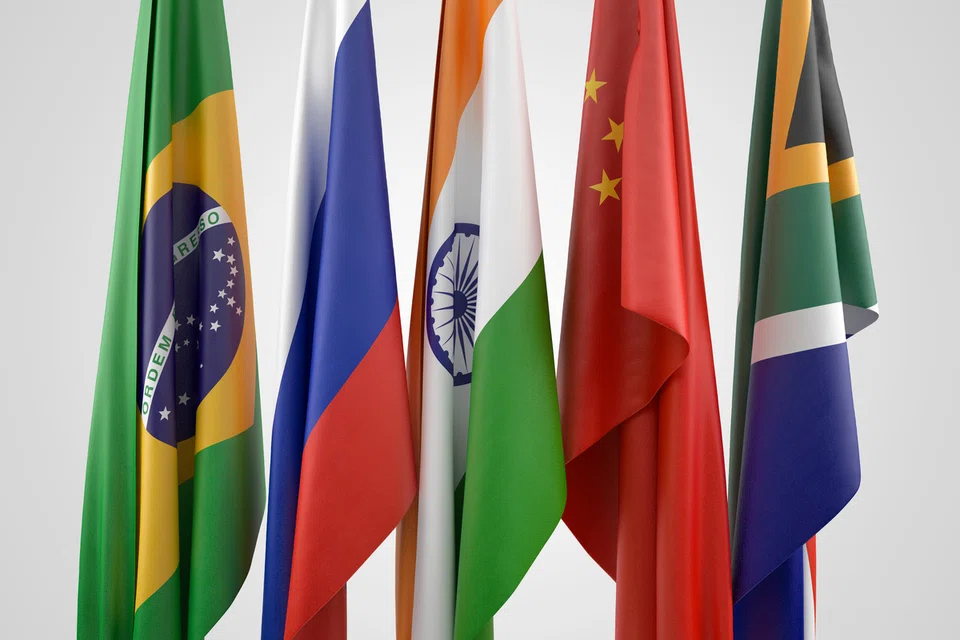
THE Brics bloc seems to be increasingly emerging as a compelling alternative to the Western-led economic order amid a swirl of global realignments.
Reinforcing this notion of the bloc’s rising appeal is Indonesia’s entry as the newest full member of Brics, joining Brazil, Russia, India, China and South Africa. This also follows Thailand’s decision on Jan 1 to join Brics as a partner country.
For Jakarta, the rationale for joining Brics is fairly straightforward.
True to its bebas dan aktif (independent and active) doctrine, Indonesia’s foreign policy has long sought to balance pragmatism with strategic autonomy. In that context, it may be hoped that joining Brics would fortify the country’s position in global institutions and bolster its geopolitical clout.
Observers noted that this move may support President Prabowo Subianto’s drive to court foreign investment, an especially pressing goal in today’s complex, multipolar landscape.
The latest move by Indonesia – Asean’s largest economy, a pivotal voice in the region and the world’s fourth most populous – has sparked discussions on whether it could trigger a domino effect or influence the rest of the 10-member bloc in South-east Asia.
The reality, however, is that the alliance is far from monolithic, with each member’s path shaped by distinct historical ties to major powers and differing levels of development, resulting in divergent economic trajectories.
For example, Malaysia balances its relationships between China and the West with Prime Minister Anwar Ibrahim confirming last July that the country submitted its application to join the bloc.
Singapore, deeply tied to global financial systems, has maintained strategic ambiguity towards Brics. It focuses instead on Asean as the primary “organising unit, single-production zone, investment zone and competitive zone” in its regional strategy.
The Philippines, traditionally aligned with the US, may see limited benefits in formalising ties with Brics, especially if it complicates its existing security partnerships.
Many Asean nations are deeply connected to global supply chains and free trade agreements with the US, Europe, Japan and South Korea. Hence, the risks of disrupting established relationships outweigh the appeal of joining a relatively untested bloc.
Adding Brics membership could be cumbersome, prompting countries to focus on managing existing frameworks such as the Regional Comprehensive Economic Partnership rather than taking on additional multilateral obligations.
A key factor is China’s dominant role in Brics – this can be an asset and a challenge, as joining a bloc so closely tied to Beijing could complicate relationships with the US and its allies. For many South-east Asian states, formally aligning with Brics could be perceived as leaning too far into China’s orbit, which might risk complicating their relationships with the West.
For these reasons, chiefly the nuanced tapestry that Asean’s political, economic and security dynamics make, it is unlikely that Indonesia’s entry into Brics will have a strong ripple effect on its neighbours – unless of course, it aligns with their own priorities.
The question of whether or not other Asean states will join Brics membership remains open – but is hardly a foregone conclusion.
TRENDING NOW

High Court rules against Julius Baer’s Singapore trust arm in US$50 million family trust dispute

MSCI proposes standalone status for Indonesia; Jakarta stocks plunge 8%

Once staunchly pro-China, Malaysian Chinese businesses are now distancing themselves from Beijing

No chicken feed: How Malayan Flour Mills built an empire from flour to fowl

