Is inflation an excuse for greedy businesses?
I WAS shocked when the school bus fare for my child was raised by 20 per cent. The school bus operator cited manpower shortage and rising Certificate of Entitlement prices to justify the fare hike. Yet, a check with the bus drivers revealed there was no pay bump.
A similar practice has occurred in the food industry. Price increases at hawker centres have been in the news lately, notably that of a perennial local favourite, “cai fan”, or economy rice. Diners have complained that the price hikes are disproportionately higher than the price increases for the food ingredients. The apparent profiteering upset customers, leaving a bad taste in their mouths.
Businesses can engage in unscrupulous pricing practices by exploiting consumers’ lack of choice, for example, when parents have no alternative school bus operators to turn to.
This scenario illustrates “greedflation” – a fusion of greed and inflation. Unlike inflation, where prices go up due to systemic pressures such as increased costs of raw materials and fuel, greedflation is a deliberate move to inflate prices on the pretext of inflation.
Greedflation can have far-reaching implications. From an economic perspective, amplified prices can exacerbate existing inflation. When prices are increased beyond what is justified by the higher production costs, it may lead to an upward shift in price levels. This can create a feedback inflation loop, like a snowball rolling downhill.
In terms of social fairness, greedflation sows greater distrust between consumers and businesses, particularly for middle- to lower-income consumers. Unjustified price hikes can be perceived as opportunistic particularly in these challenging times, when these groups already feel financially strained.
Reports have highlighted a notable trend of inflation amid cost-of-living crises in various countries. A review of over 2,000 publicly traded companies by The New York Times revealed a surge in profit margins well past the pre-pandemic average, despite uneven inflation impact across sectors. In June, major UK supermarket chains were accused of “grotesque profiteering” on the pretext of food and fuel price hikes.
Inflation or greedflation?
Objective economic analyses are necessary to determine if price increases for goods and services are genuine inflation or simple greedflation. But it is unrealistic to expect consumers to assess for themselves.
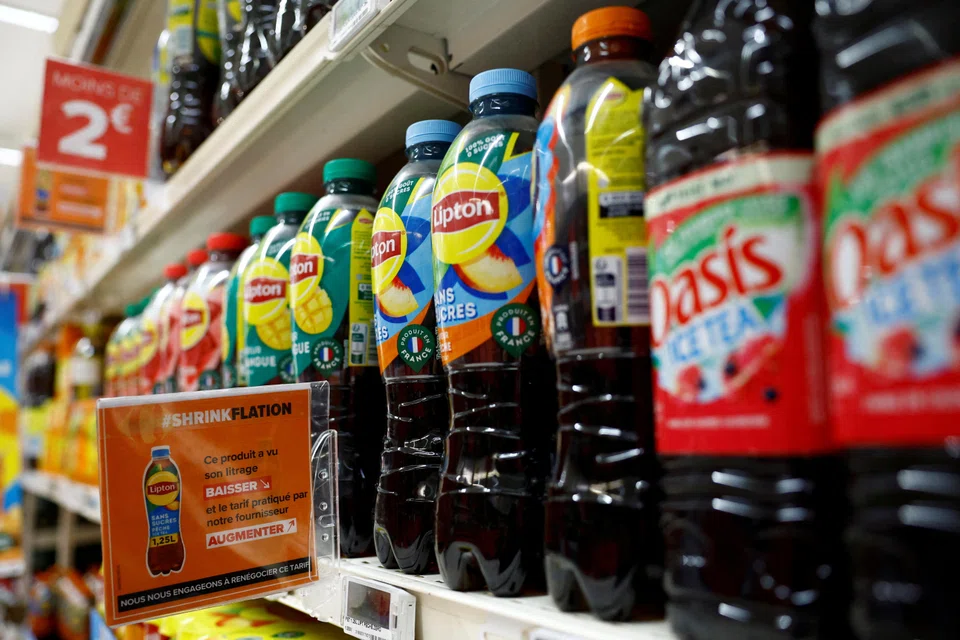
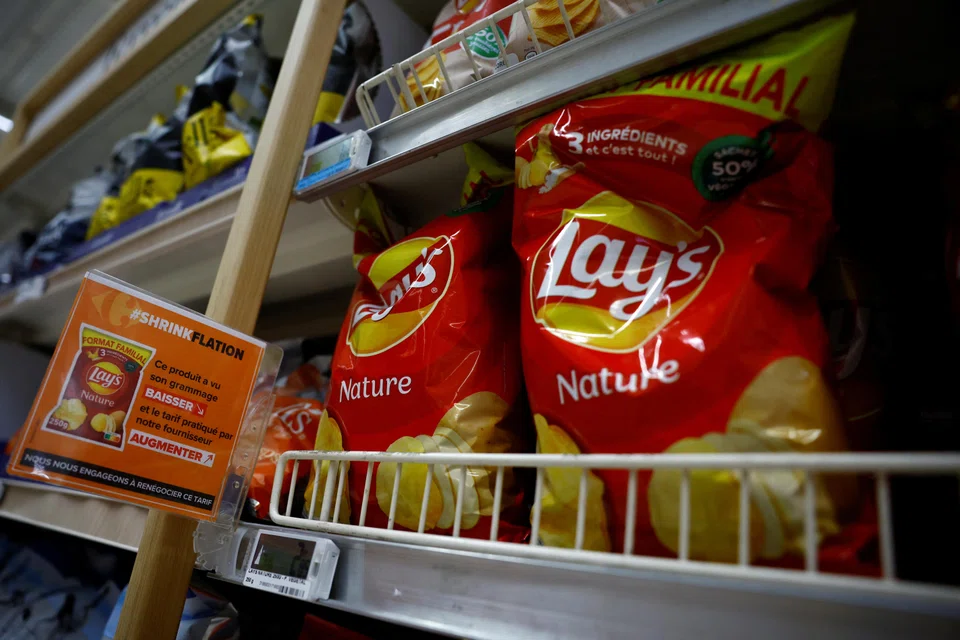
Added to the complexity is the practice of “shrinkflation”, where the price per unit of goods and services rises by downsizing. For example, when the chips packaging stays the same size but is filled with more air and fewer crisps.
Against such a backdrop, regulatory mechanisms and bodies such as Singapore’s Committee Against Profiteering and The Consumers Association of Singapore are important outfits to enable a fair market and protect consumers.
For one thing, the committee has warned that it is prepared to name businesses that use increased costs as an excuse to profit.
Businesses need to communicate better
Consumers do not expect enterprises, especially small business owners like food hawkers, to absorb all price hikes. But to be told that inflation is the reason for significant price increases simply does not cut it. The justification is insufficient and lacks clarity.
Businesses can do better. They must acknowledge their social responsibilities. Middle- to lower-income consumers are most impacted by unjustified price hikes. It is therefore in the corporate interests to maintain a transparent pricing strategy. Supporting this group of consumers reflects equity and supports business sustainability, as the two broad income groups form a significant portion of the customer base for many products and services.
Price increments should also be clearly communicated and rolled out within a reasonable timeframe for customers to adjust and get accustomed to the higher prices. A step-by-step explanation for price increases is recommended wherever possible. For example, economy rice vendors should display clearly the price of each dish, and show visibly the weight of each scoop of the dish.
On the flip side, consumers should be prepared to “vote with their feet” by opting for alternative providers if they feel that the business is unjustly profiteering. Innovative solutions, such as exploring direct purchases from wholesalers or community bulk purchasing, may be useful to mitigate the impact of price hikes.
Some have suggested price regulation as a solution to greedflation. However, fundamental economic principles have shown this to be counterproductive. A price cap tends to give rise to black markets. It is price controls and scarcity of goods that compelled Venezuelans to turn to the black market for necessities in recent years.
The story of Akagi Nyugyo, a Japanese frozen dessert company, brings a noteworthy lesson in business ethics and consumer engagement. Forced to raise the price of its popular ice cream by S$0.10 (10 yen) due to a rise in operational costs after 25 years, Akagi Nyugyo commissioned a 60-second TV ad to apologise in 2016. While some may see the televised apology as a marketing tactic, it nonetheless spotlights the firm’s willingness to openly communicate price adjustments, setting a remarkable precedent.
The underlying message is clear: honesty and transparency are the foundation of growing and maintaining consumer trust. The writer is associate professor of accounting at Nanyang Technological University’s Nanyang Business School. His research examines corporate sustainability and financial fraud.