

Insect proteins bugged by low acceptance

Tessa Oh
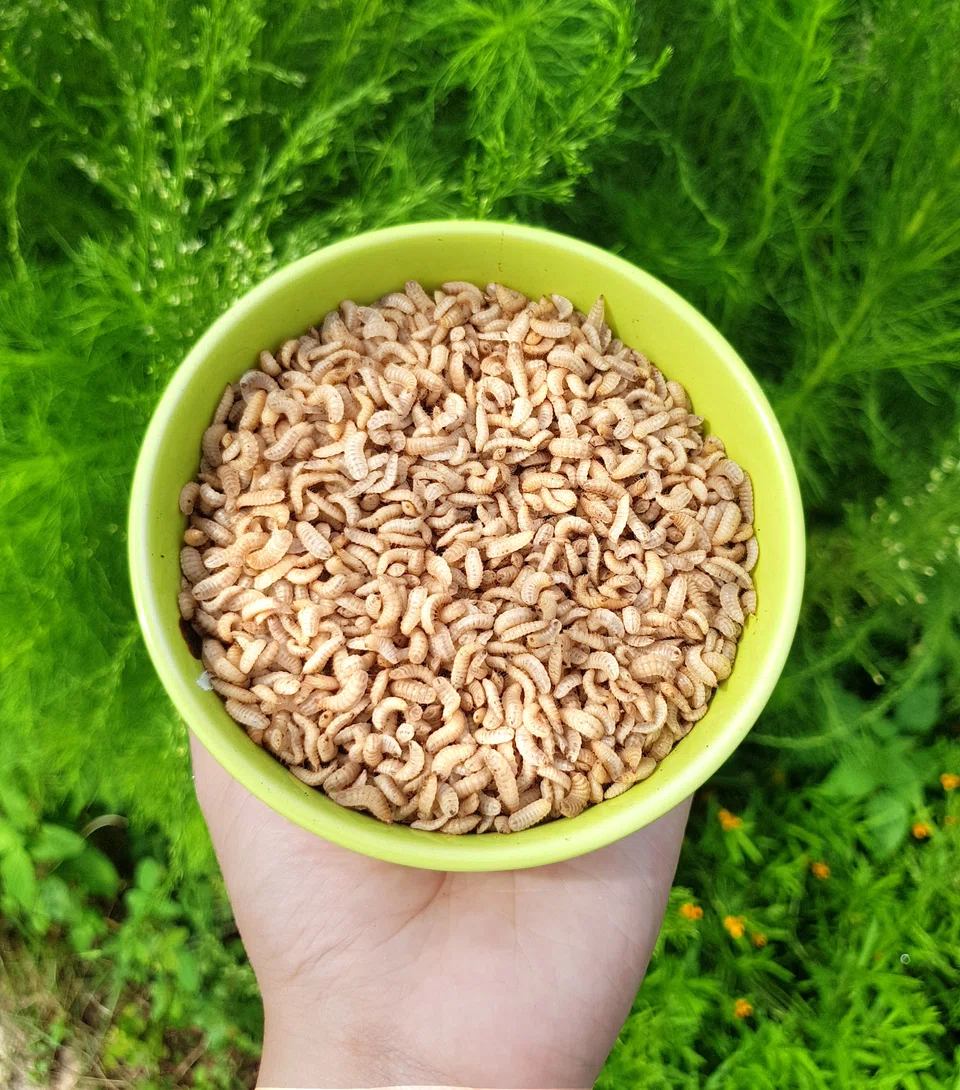
COMPARED to other alternative proteins, insects may be less promising – particularly beyond the research and development (R&D) stage.
According to Enterprise Singapore, about US$40 million has been invested in Singapore-based insect companies in the last four years. There are 15 such firms, with activities in more than 10 countries.
But the market is small as consumer acceptance remains low, says Asia Insect Farm Solutions co-founder Yuvanesh TS. “Everybody was going into (insect) farming, but we were all overlooking the fact that there was a market gap from farm to table. No one really took the time to understand what consumers want.”
Furthermore, Singapore has yet to establish a regulatory framework for the use of insects as food and animal feed, with an ongoing consultation by the Singapore Food Agency.
Industry players believe Singapore’s role in insect protein will mainly be in R&D: to raise awareness, understand consumers, develop technologies and improve the taste of products.
Costly to scale
Unlike lab-grown, fermented, or plant-based proteins, insects require farming – which is hard to scale in land-scarce Singapore.
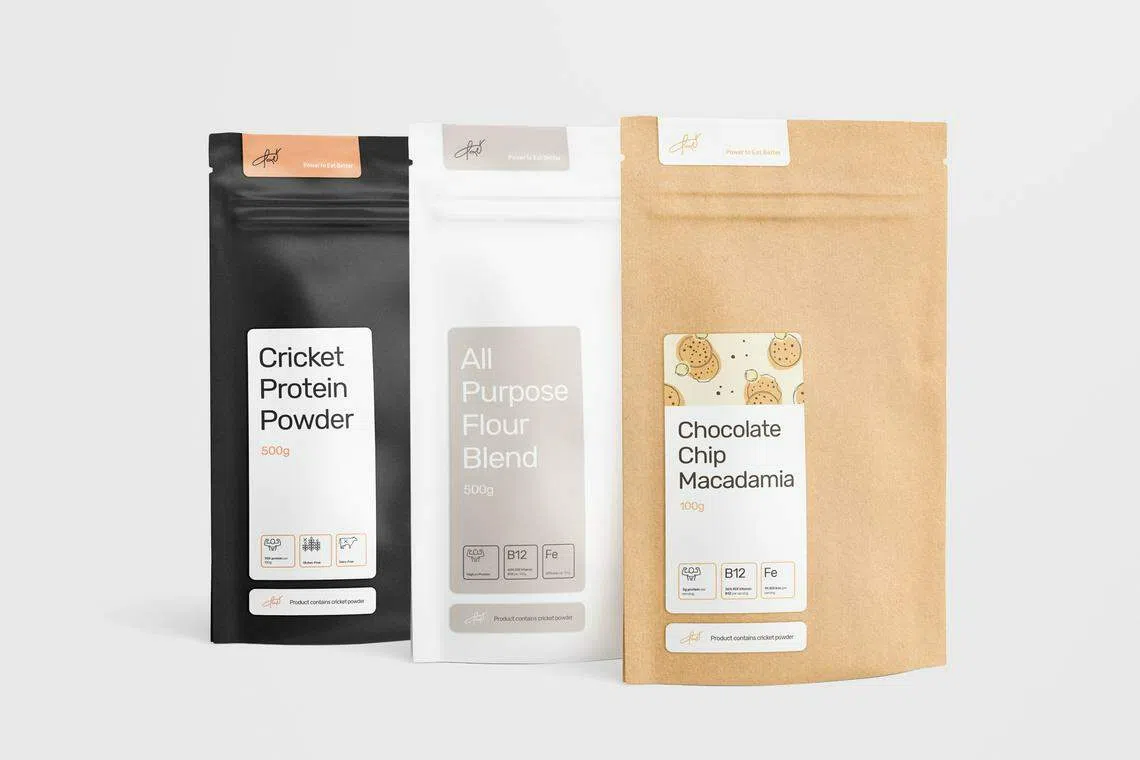
“If we were to do farming as well… the farms will definitely not be in Singapore. We can look at the technologies here, but we will put (the farms) somewhere where everything is much cheaper,” says Gavriel Tan, co-founder of Altimate Nutrition, which turns crickets – imported from Thailand – into protein bars and powder.
Singapore lacks the talent for agriculture, unlike neighbours such as Indonesia, says Chua Kai Ning, co-founder and chief marketing officer of black soldier fly company Insectta.
Government schemes and grants are geared towards R&D, rather than agriculture or manufacturing, she notes.
“In the (insect) ecosystem, Singapore serves as a value multiplier. We are not the ones who are doing the farming, but we can make the farming either a lot more efficient or worth more money,” says Chua. “That’s the organic way to do things because we should be playing by our strengths, which is not land.”
Limited market
With lagging consumer acceptance and a small market casting doubt on the industry’s viability, some have pivoted away from using insects as food and feed.
Insectta now extracts biomaterials from black soldier flies instead, for use in pharmaceuticals and electronics.
“We soon came to the realisation that by just focusing on feed and fertiliser… we were limiting ourselves, because even if we sold to every single farm in Singapore, it’s very hard to be financially sustainable,” says Chua.
“Legislation was also not coming in time for our timeline, and we cannot rush consumer acceptance, even though we embarked on very strong consumer outreach and education,” she adds. “So it’s just not the right time and place to have that business model.”
TRENDING NOW

High Court rules against Julius Baer’s Singapore trust arm in US$50 million family trust dispute

MSCI proposes standalone status for Indonesia; Jakarta stocks plunge 8%

Once staunchly pro-China, Malaysian Chinese businesses are now distancing themselves from Beijing
No chicken feed: How Malayan Flour Mills built an empire from flour to fowl

