Interconnection, not isolation, is Asean’s US$4.8 trillion lever
Accelerating the energy transition could boost the region’s GDP, showing that sustainable growth is possible
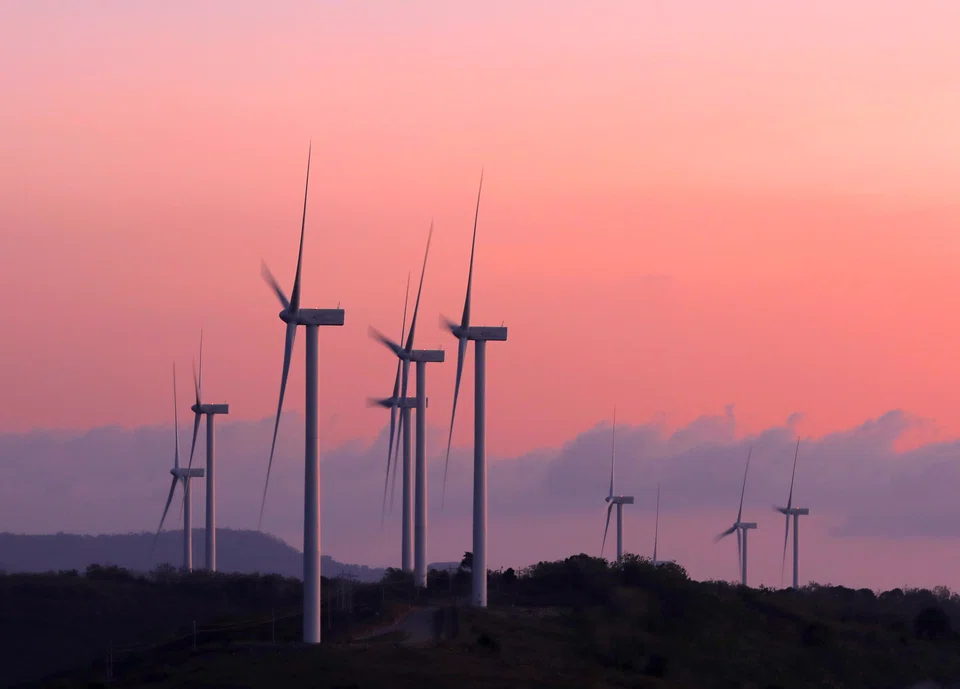
BY ACCELERATING the energy transition, Asean’s gross domestic product is expected to be higher by an average of 2.6 per cent annually between 2023 and 2050, translating into a cumulative gain of US$4.8 trillion. Also, by 2050, renewable energy could create 4.6 million out of 14.3 million energy jobs in Asean, an analysis by the International Renewable Energy Agency (Irena) indicated.
This economic prize, however, is not guaranteed. It hinges on the region’s ability to overcome an old reflex: the belief that energy security must be built though fossil fuels and within national borders.
As Asean countries enjoy post-pandemic growth, energy demand is rising sharply. But in an era defined by geo-economics and supply chain challenges, that instinct – while understandable – is outdated.