

Interesting times as American democracy goes on display
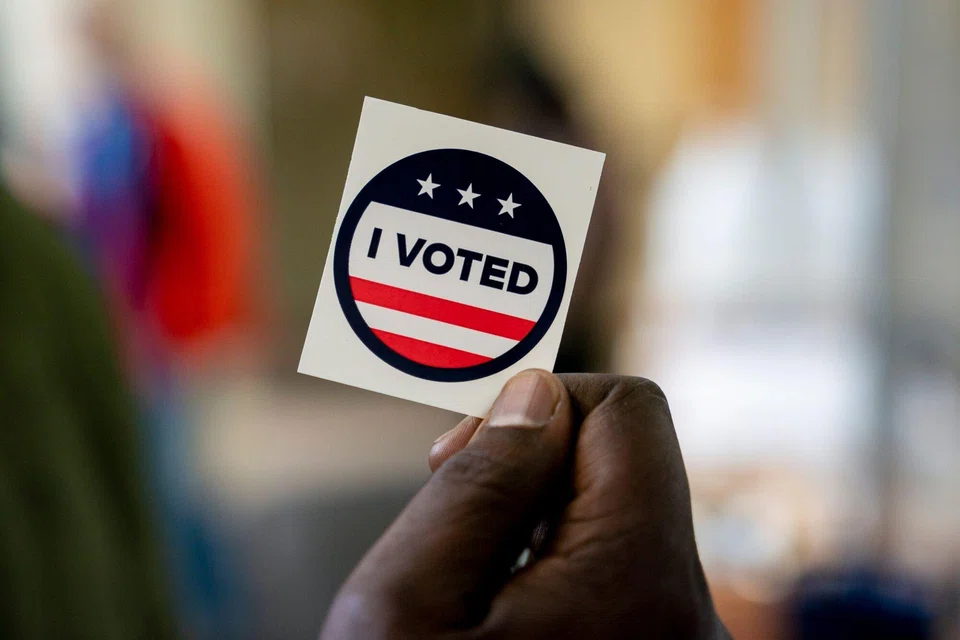

GIVEN that there were two known assassination attempts on one candidate in the US presidential race, it is anyone’s guess what will happen on Election Day next week (Nov 5). And unless there is a clear and unambiguous victory for one side, uncertainty will reign until Inauguration Day, and perhaps beyond. Expect a period of intense lawfare through the courts, if the results are close.
At this point, it should be noted that it is not just a presidential race. All 435 seats in the House of Representatives are up for grabs as well as 34 (out of 100) Senate seats. Some states and territories are also holding elections for their own legislatures. There is always the possibility that whoever becomes president will be saddled with a hostile legislature.
Also be mindful that for all the hoopla of the last few months, ordinary Americans do not directly vote on who becomes the next president and vice-president. Instead, they vote for representatives to an Electoral College, made up of 538 electors, that decides on the winners. A presidential candidate must get at least 270 votes to win. Can there be a tie? Yes, that is a possibility with each candidate getting 269 each.
And just to keep things interesting, the framers of the US Constitution did not provide for uniformity in either the way these 538 are elected or the scope of their powers to decide on their preferred candidate. More importantly, the Electoral College system is under the control of state legislatures and thus electors, in certain cases, are free to ignore popular sentiment if they are so inclined. And that happened a few times in US history. As well, gerrymandering – that quintessential American gift to political science – and voter suppression tactics are rife in some states.
The reality is that the US Constitution is broken. It is beset with inherent design flaws, including the 12th Amendment which sets out the architecture for the elections. As one scholar opined: this clause presupposes a peaceful transition of power rather than make provisions for one. Worse, the entire election process does not guarantee the popular will is reflected in the final outcome. So much for American democracy.
No wonder then that about 27 per cent of Americans believe a civil war is likely to break out after the election, according to a recent YouGov poll. Everyone remembers how a huge crowd descended on the United States Capitol on Jan 6, 2021, in an attempt to prevent lawmakers from certifying what they claimed was President Joe Biden’s fraudulent victory. The demonstration quickly turned into a riot. Prosecutors later characterised the event as an attempted insurrection.
It is something of a truism to say that US elections are decided on bread-and-butter issues; concerns about the economy such as inflation and the cost of living always top the lists of voters’ priorities. In fact, foreign affairs, abortion rights and the white majority’s fears for their place in the nation’s hierarchy as America’s demography changes with non-white population growth, will all be deciding factors, especially in closely contested states where margins are tight enough to be decided by just a handful of votes.
That all this will be happening in a country where 330 million Americans are armed with more than 400 million firearms should make for some very interesting times ahead.
TRENDING NOW

First Resources blames El Nino, outside fires for Kalimantan hotspots amid haze scrutiny

High Court rules against Julius Baer’s Singapore trust arm in US$50 million family trust dispute

Singapore key exports jump by higher-than-expected 68.4% in September, led by non-electronics

MSCI proposes standalone status for Indonesia; Jakarta stocks plunge 8%

