
Investing lessons from Credit Suisse and Hyflux
Exercise due diligence – know all the risks and check the use of proceeds
 Add BT as a preferred source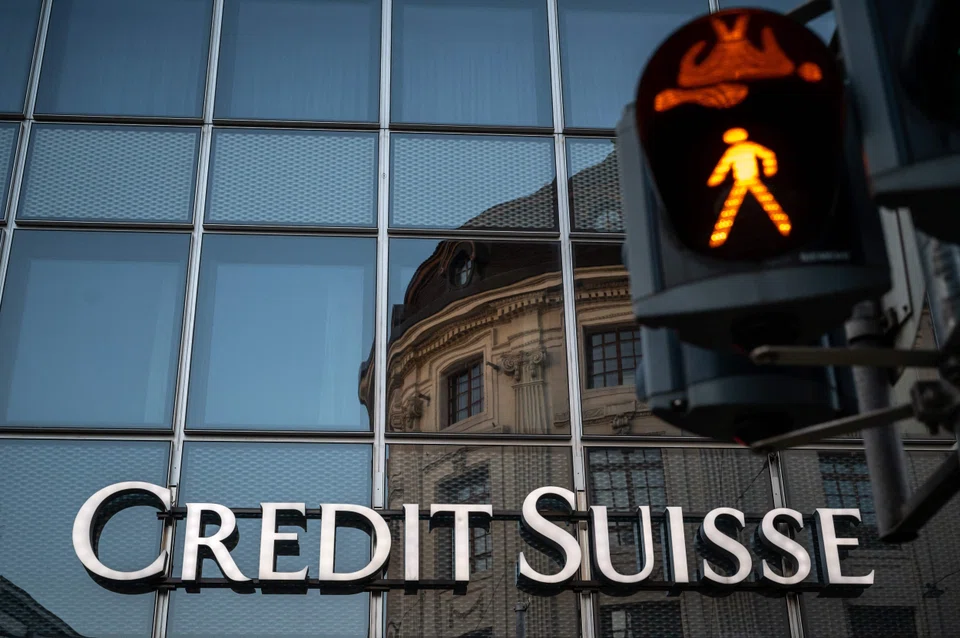
MOST investors recognise that there are no free lunches in today’s financial markets, particularly one governed by the principle of caveat emptor. If a product offers large returns relative to the risk-free rate, then it must be a risky product, and the onus is on the investor to ask whether the return offered is commensurate with the risk that has to be borne.
Yet despite knowing this basic principle, it appears that many investors – including those categorised as sophisticated – often fail to do basic due diligence. This much has become obvious over the past few years from shocking, high-profile collapses involving the recent bailout of Credit Suisse by Swiss regulators and UBS, and closer to home, the bankruptcy of water treatment firm Hyflux which is now the subject of criminal investigation.
In the case of Credit Suisse’s Additional Tier 1 (AT1) capital instruments, it appears that many investors did not read all the clauses in the issue documents, believing the securities to be wholly safe.
Decoding Asia newsletter: your guide to navigating Asia in a new global order. Sign up here to get Decoding Asia newsletter. Delivered to your inbox. Free.
Share with us your feedback on BT's products and services

