

It’s called the Grand Canyon, not the Eternal Canyon
A rafting trip yields insights about a national treasure that seems permanent but is always being changed – lately by humans
 Add BT as a preferred source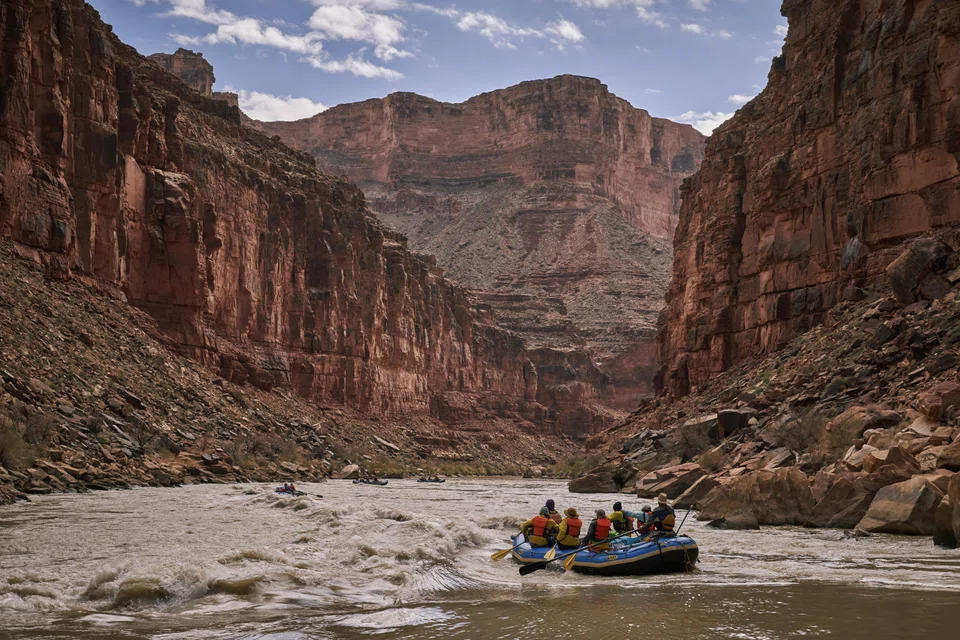
YOU don’t need me to tell you that the Grand Canyon is magnificent. Otherworldly. Sublime. But, having rafted through 145 km of the canyon with a group of scientists and grad students, I can tell you that it’s quite a bit more fragile, and less permanent, than you might think.
I wrote an article about the canyon this week in The New York Times. If you’ve seen it only from the rim or in photos, you probably think of the place as a bunch of rocks stretching to the horizon. Dramatically sculpted, gorgeously layered rocks. But still, rocks. Rocks are ancient, eternal, unchanging, at least for any species that thinks in years and decades.
It was something far more transient, however, that cut a chasm into all that rock. The Colorado River is the water knife that gravity dragged through the landscape over millions of years. Then, humans came along and started building dams to control the Colorado. This is when the canyon began to change.
Decoding Asia newsletter: your guide to navigating Asia in a new global order. Sign up here to get Decoding Asia newsletter. Delivered to your inbox. Free.
Share with us your feedback on BT's products and services
TRENDING NOW

SIA sinks into the red with S$76 million Q1 loss as fuel costs jump

15-month wait-out curb lifted for private property owners buying HDB resale flats

ABSD deadline extended to up to 7 years for developers of large en bloc sites to encourage reuse of land
A ‘shadow bank’ hiding in Singapore’s Little India casts light on financial services gap

