THE BROAD VIEW

Jaguar’s rebrand: Bold move or a bridge too far?

The strong reactions to the legendary British carmaker’s recent attempt at a radical identity shift offer a cautionary tale for any brand seeking a similar transformation
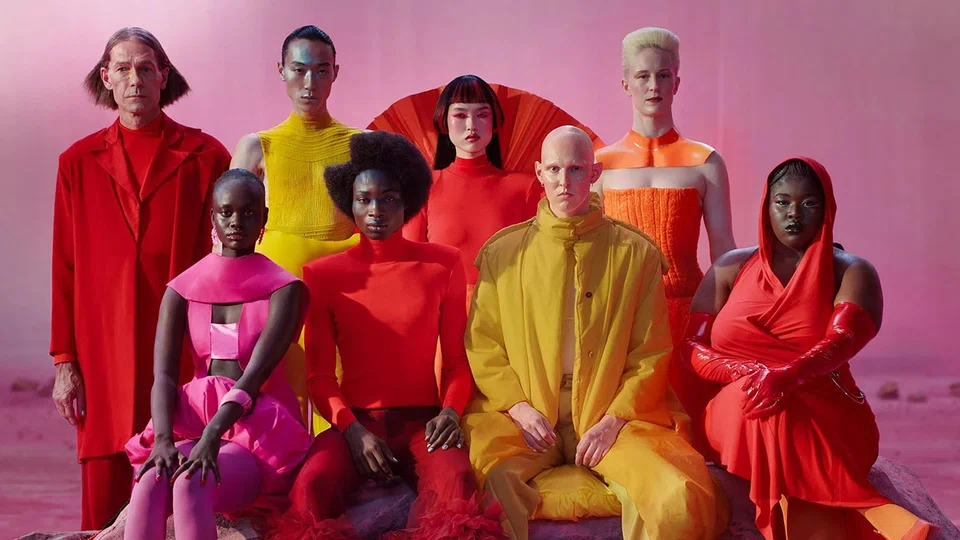
    • Jaguar’s rebranding effort – with not a single car in sight – was met with a lot of criticism and anger among netizens, brand loyalists and the general public.
    • Jaguar’s rebranding effort – with not a single car in sight – was met with a lot of criticism and anger among netizens, brand loyalists and the general public. PHOTO: JAGUAR LAND ROVER
    Published Sat, Nov 30, 2024 · 05:00 AM

    ON NOV 19, Jaguar, one of the world’s most iconic car makes, unveiled its new branding, taking a radical step in reimagining its brand identity. The 102-year-old marquee British automaker unveiled a 30-second video that, curiously, featured no cars at all. Instead, the spot showcased a group of colourful, diverse fashion models, seemingly posing in an elevator and engaging in abstract activities. Across the screen flashed Jaguar’s new mantra: “Copy Nothing” and “Delete Ordinary”.

    Jaguar’s rebranding effort was nothing short of controversial – it was met with a lot of criticism and anger among netizens, brand loyalists and the general public. The once-proud emblem of British craftsmanship now finds itself under fire from critics accusing the company of forsaking its heritage, losing sight of what truly made the brand an icon in the first place.

    Jaguar has long been synonymous with elegance, performance, and tradition. For generations, the company’s sleek sedans and roaring sports cars were more than just machines; they were symbols of sophistication and exclusivity. Since the legendary E-Type, it has been a car so iconic, it seemed almost tailor-made for a James Bond set. One of us (co-writers) fondly recall driving a pristine white Jaguar XJ through the streets of Port Louis. It was a visceral, aspirational experience. Yet today, with the new branding pushing abstract design and avant-garde aesthetics, that emotional connection feels less tangible.

    Rebrand vs reinvention

    But is this rebrand, that has yet to fully play out, a bold and necessary evolution, or a misstep that risks the brand’s legacy?

    Jaguar’s branding overhaul comes at a crucial moment for the company. Global sales have dwindled from 180,000 units in 2018 to under 67,000 in 2023. The question on the minds of many is: How did Jaguar’s leadership conclude that this is the best path forward for the brand? Was it a genuine attempt to reposition the brand, or a knee-jerk response to the broader shifts in consumer expectations? And does it come at a time when the company is in dire need of a reinvention, rather than a rebrand?

    To be clear, the luxury market has changed dramatically. Today’s affluent buyers are not just looking for heritage or craftsmanship; they increasingly want their purchases to reflect their personal values. Luxury is no longer just about owning something rare, it’s also about owning something with purpose. Consumers are also buying on emotion, and looking for reasons later.

    Environmental consciousness, social equity, and ethical branding have all become key drivers of purchasing decisions. And while some see this as a harbinger of a more progressive future, others, particularly longtime Jaguar enthusiasts, feel that this shift could come at the expense of what the brand once stood for.

    A rebranding is more than a new logo or colour scheme. It’s a statement of intent, a vision of where a company is headed. If a brand is a promise, it is the reinvention of this very promise. And therein lies the real challenge for Jaguar, which is looking to move away from competing with mid- to top-tier luxury car brands with potentially ultra-luxury brands such as the Astons, Ferraris and the sorts.

    If the goal is to achieve this through younger, more progressive consumers, the question remains: Is it possible to modernise the brand without sacrificing the timeless appeal that made it a cultural touchstone in the first place?

    In Jaguar’s case, it also does not help that the rollout of this new vision has been anything but clear. The marketing campaign accompanying the rebrand is abstract. There is little in the way of tangible experiences or product offerings that would allow consumers to engage with or understand the new direction. A rebrand needs to be something that consumers can interact with. Something they can experience, and make sense of.

    Another key issue is the balancing act between heritage and innovation. Under the ownership of India’s Tata Group, Jaguar’s identity has evolved from its British roots to a more globalised, multinational brand. While this has enabled Jaguar to expand into new markets, it also complicates efforts to maintain the aura of British exclusivity that once defined its allure. How far can Jaguar stray from its traditional image before it loses its essence?

    If Jaguar can strike the right balance of innovating without abandoning its storied past, it may just find a way to navigate the shifting tides of the luxury market. But if the rebrand is perceived as inauthentic, and the actual product does not hold up to its promise, the damage could be lasting.

    For now, the world watches on eagerly, as Jaguar attempts to redefine itself for a new era. As far as cliffhangers go, only time (and, crucially, global sales figures) will tell.

    The writers are senior directors at Ellerton & Co, a Greater South-east Asia-focused public relations and marketing consultancy