Jakarta is now the world’s largest city, but it isn’t ready for the challenges
A new UN report highlights the rise of Asia’s megacities and the urgent need for them to have the infrastructure for climate resilience
DEMOGRAPHIC change tends to happen slowly and rarely captures the global headlines. However, the 2025 United Nations World Urbanisation Prospects report released last week throws an international economic and political spotlight on Jakarta and Asia.
The landmark study catapults the Indonesian capital into the position of the world’s largest megacity, with an estimated population of around 42 million; it seized the crown from Tokyo, which had held the top spot since 2000.
The dramatic surge – from 30th place in 2018 to 1st in 2025 – is in part due to a revision in UN methodology. The body has shifted from an administrative-boundary-based tally to measuring continuous urban areas where actual economic and living spheres are seen as connected.
While the Indonesian government estimates its urban core at 11 million, the UN includes suburbs such as Bogor, Depok, Tangerang and Bekasi.
This shift underscores a larger narrative: the global centre of population growth is shifting to Asia, which has nine of the world’s top 10 most populous cities.
Asia also hosts an astonishing 19 of the current 33 megacities, defined as urban areas with more than 10 million inhabitants. The total is four times larger than what it was in 1975.
Outside Jakarta, the largest megacities are Dhaka (with an estimated 36 to 40 million people); Tokyo (33 million); Shanghai (29 million); Delhi (28 million); Guangzhou (27 million); Cairo (23 million); Manila (24 million); Kolkata (22 million) and Seoul (22 million).
For comparison: Sao Paulo in Brazil, with around 19 million people, is the largest city in the Americas.
Dhaka is expected to become the world’s most populous city by 2050. While Kuala Lumpur, Addis Ababa (Ethiopia) and Hajipur (India) are forecast to join the ranks of megacities, established giants like Tokyo and Seoul will shrink due to ageing and falling birth rates. The demographic decline in some developed nations will increasingly act as the counterweight to the growth in emerging markets.
Growing environmental stress
Despite the economic success of many megacities, governments must address the sustainability risks that these massive urban centres pose.
The global urban population is expected to reach close to 70 per cent by 2050. This, combined with the overall world population growth, could add around another 2.5 billion people to cities. Already in some cities, densities exceed 10,000 people per square kilometre.
The central challenge is meeting basic needs – food, water and health – while dealing with environmental stresses exacerbated by climate change.
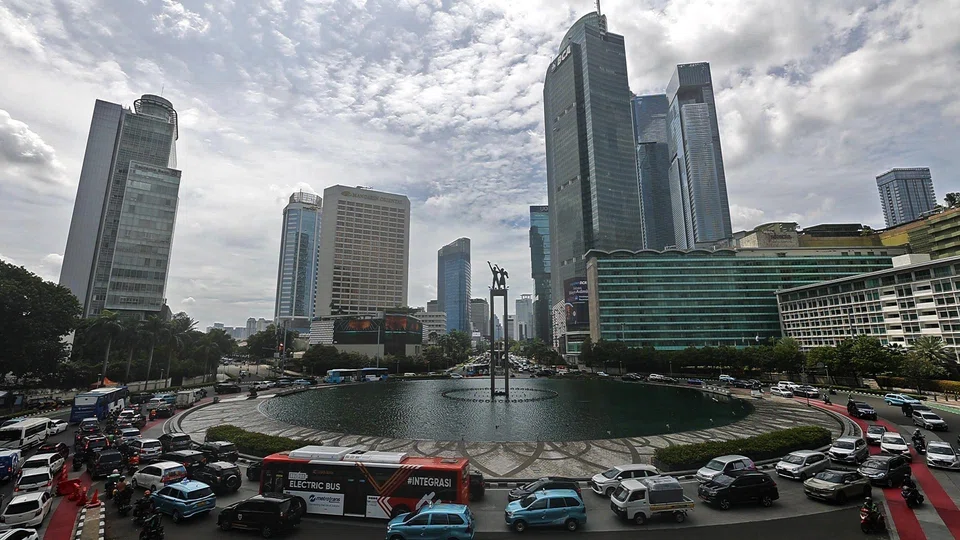
Jakarta is a prime example. Already facing traffic congestion and air pollution, it is situated in a low-lying coastal area with increasing land subsidence. Some areas sink 20 to 25 centimetres a year as a result of groundwater extraction; nearly 40 per cent of the city now lies below sea level. Up to a quarter of the city could be underwater by 2050.
The challenges are so acute that Indonesia is building a new capital city, Nusantara, in Borneo. Even so, the UN estimates that some 10 million more people will be living in Jakarta by 2050. This contradiction will likely worsen inequality and affordability, issues that already sparked protests in the city in 2025.
The imperative for preparedness
Resource scarcity and climate vulnerability demand greater preparedness. As many megacities continue to grow, the demand for food, water and industrial resources will drive up energy consumption and transportation needs. The associated increased carbon emissions are contributing to global warming.
Riverine megacities face existential threats from rising sea levels and river flooding. Beyond advanced early warning and monitoring systems, these cities must develop emergency refuge areas. As major hurricanes in some cities have shown, there is sometimes insufficient time to evacuate millions safely, despite the known dangers from combined winds and floods.
In most cases, these refuge areas will need to be built from scratch and integrated into the wider urban system, including transportation. Training populations to use the centres effectively is also essential. Dhaka offers a proven model. there, refuges have successfully withstood cyclones and floods to protect vulnerable communities.
As cities could face multiple challenges simultaneously, governments must develop strategies to manage a complex range of environmental factors. Effective resilience requires better data, whether environmental or socio-economic.
Governments and international agencies, such as the World Meteorological Organization, must collaborate to provide complex system models that track hourly, daily and longer-term environmental shifts. Such data is vital for understanding the impact on communities and managing everything from sudden tornadoes to the slow-onset crisis of rising sea levels.
The challenge ahead is to summon the political will to ensure megacities stay resilient even as they grow.
The writer is an associate at LSE Ideas at the London School of Economics