From K-pop to ‘petrol station’ sets: How photo studios are clicking with customers
As the post-pandemic scene grows saturated, photo booth operators aim to stand out with fresh concepts and collaborations

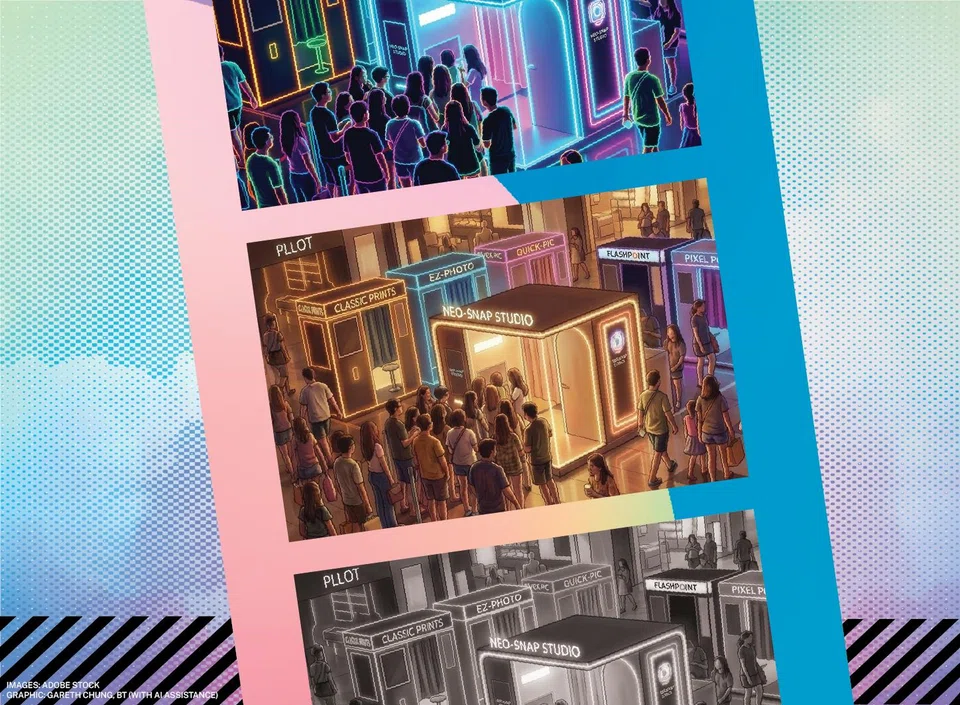
[SINGAPORE] Two decades ago, young Singaporeans squeezed behind the curtains of Japanese-style Neoprint booths to snap photos, embellish them with glittery doodles, and print them out as stickers.
Once omnipresent in arcades and malls, these booths faded away in the 2010s as cameraphone technology improved. Now, photo booths are back in vogue – but look nothing like before.
Today, minimally manned self-photo studios occupy mall units and line shopping streets such as Haji Lane. Instead of stickers and cartoonish filters, they offer props, detailed background sets and limited-edition frames featuring pop stars or anime characters.
In contrast to tiny standalone machines, today’s photo booths represent a full retail concept – one that originated in South Korea and has gained traction since Covid-19, fuelled partly by a renewed appetite for physical memory-making.
While some were founded from scratch, others were set up by established photography businesses that pivoted during the pandemic.
But as studios mushroom across the island, the boom has brought new pressures, say operators. In an increasingly crowded market, survival depends on constant reinvention.
Pandemic pivot
Multi-generation family business Standard Photo began as a traditional photo printing company in 1969. For decades, film processing was its main revenue driver.
But the rise of digital cameras and smartphones caused a fall in demand for photo printing, forcing a pivot to event photography, says business development manager Brian Sukri.
Following that, the events industry itself was disrupted by Covid-19. The company adapted again by launching a self-photo studio concept at its headquarters in Macpherson, which could operate when group sizes were limited during the pandemic.
As those measures eased, it adapted further by rolling out concept rooms to appeal to younger customers. Since restrictions were lifted, overall revenue has climbed about 30 per cent, said director Vincent Sukri.
Similarly, wedding and events photographer Jonah Sun began renting out photo booths for events in 2011. The pandemic brought events to a standstill; when restrictions started to ease, his company Dollop began to roll out unmanned booths in malls.
The return of photo booths
The photo booth resurgence is driven by post-Covid changes in consumer behaviour, says Dr Samer El Hajjar, senior lecturer in marketing at the National University of Singapore Business School.
He sees “a clear shift away from big, expensive experiences towards smaller, more frequent ones”. Photo booths are an example of such “micro-experiences”, he says: “They are short, contained, affordable and emotionally rewarding.”
It is also important that photo booths have “a physical output”, he adds. In a world of digital photos, “a printed photo strip feels grounding”.
Photo booths combine social activity, self-expression and memory-making, he says, drawing a contrast with social media: “Unlike scrolling or posting, this is a shared, physical experience. It’s something you do with friends, dates or even alone as a form of self-play.”
In a city where community spaces can be limited and highly commercialised, photo studios offer an affordable, structured activity that feels purposeful and fun rather than passive, he adds.
Landlord enthusiasm
Malls used to be home to Neoprint machines. Now, landlords are keen to bring in photo studios.
In 2024, Standard Photo did a five-month pop-up in Bugis Street, an area known for affordable clothing, quick bites and mani-pedi stalls. The pop-up studio pulled a crowd – and caught the attention of CapitaLand Investment, which manages the area.
In November 2025, Standard Photo launched its first standalone self-photo studio in Bugis Street with four themed photo booths: a Hawker Room decked out with durian, xiaolongbao and kopi props; a Claw Machine Room; a Spotlight Room; and a minimalist Box Room.
For S$10, visitors get one photostrip and two customisable keychains, with other prints available for an additional fee.
The studio sees 60 to 80 groups on a typical weekday and more than 100 groups per day on weekends, from schoolchildren to millennials. Most groups consist of three to four people, says Vincent Sukri.
Such tenants are part of a broader refresh to enhance Bugis Street’s appeal, alongside arts and event spaces, says a CapitaLand Investment spokesperson. “These experiential elements help strike a balance between Bugis Street’s traditional buy-and-go environment and more social, experience-led spaces.”
Experience-driven tenants play an important role in CapitaLand’s tenant-mix strategy, as malls evolve beyond purely transactional spaces into lifestyle and social destinations, adds the spokesperson.
Ethan Hsu, CEO of boutique retail consultancy and real estate firm Catbird, says that experiential tenants such as self-photo studios sit between retail and leisure, and function as “micro-anchors” for specific demographics such as Gen Zs and tourists.
“Photo studios tend to extend dwell time”, with activities such as waiting for friends, doing retakes, outfit changes and post-visit browsing, he adds. “This creates opportunities for adjacent F&B (food and beverage), fashion and accessories, beauty services and impulse-led retail.”
Noting that Bugis Street has traditionally been known for affordability, Hsu says the addition of photo studios reflects an effort to refresh the tenant mix with lifestyle-led formats that add cultural relevance and visual interest, rather than relying solely on price-led retail.
A City Square Mall spokesperson says: “The rise of concepts like self-photo studios taps into consumers’ growing desire for play, creativity and personalised content.”
Owned by City Developments Limited, the mall houses Photoism Singapore, the local franchise of a South Korean chain. The K-pop-focused self-photo studio targets Gen Z and millennial fans with limited-edition idol frames.
City Square Mall is positioned as a multi-generational family centric mall with an emphasis on shared and community-centric experiences, says its spokesperson.
“These photo studios, like Photoism, complement this vision by offering an accessible and fun activity for families, friends and young shoppers – groups that value bonding activities and personalised keepsakes.”
Together with offerings such as indoor playground Airzone, Photoism strengthens the mall’s “experiential cluster”, encouraging exploration, longer dwell times and repeat visits, adds the spokesperson.
Business at Photoism is closely tied to idol comeback cycles, with larger and more popular groups drawing higher footfall, says co-owner Ray Oh.
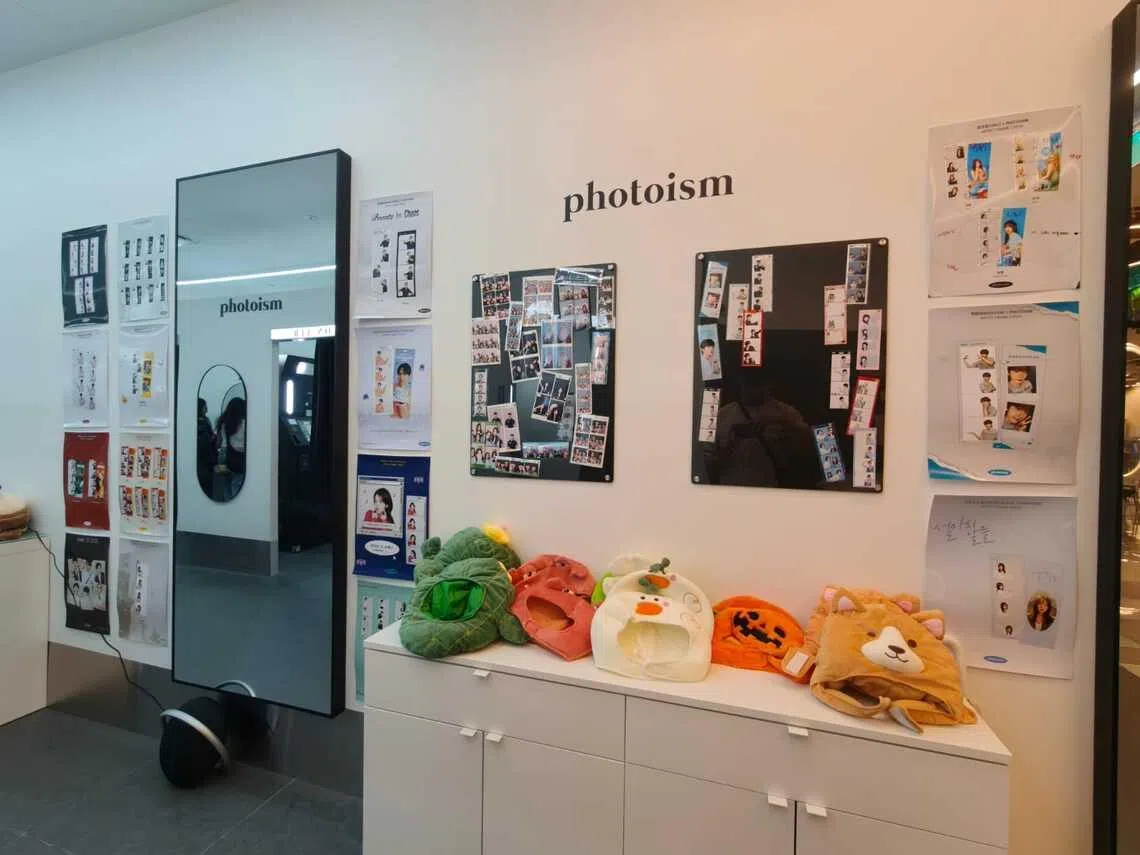
“We’re quite lucky because there will usually be a few bigger groups each month, like Ateez and Seventeen, that attract more customers. Different idols bring in different crowds.”
Photoism Singapore is managed alongside three branches in Malaysia. Total revenue across these four outlets has been fairly steady since the Singapore branch opened last June – hitting five figures every month.
The Singapore outlet is breaking even, supported by steady footfall driven by idol releases and growing interest in Korean culture, says Oh.
“I think the question for me is more: How can I bring revenue up? How can I bring in more customers? It has been consistent, so we’re trying to find ways to take the business up a notch.”
“That could be through events, collaborations – like our recent NCT collab in Johor Bahru, where we also sold merchandise – although the Singapore shop is a bit too small for larger events,” he adds, referring to K-pop boyband NCT.
Dr El Hajjar notes that limited-edition frames and themed sets also tap into a fear of missing out, thus driving demand.
Drawing customers into immersive sets
As competition intensifies, other photo studio operators also feel the pressure to reinvent themselves.
Dollop resumed photo booth rentals after pandemic restrictions were lifted, and revenue from this service has more than tripled since. However, revenue from its own automated photo booths has fallen 20 per cent amid stiffer competition.
Sun’s strategy to stand out: Provide elaborate and immersive sets. In November 2025, he opened themed photo studio Dollop Pit Stop at *Scape.
It has three immersive booths – a neon petrol station, a mini-mart, one with an actual car, and a fourth booth that customers can decorate for events. There is also a wider range of print formats, from metallic photostrips to transparent prints and sticker tabs.

“I feel there’s still growth potential in the market and it’s also a challenge to provide something new,” says Sun.
He chose *Scape because the mall is a good fit for Dollop’s target audience of students and young adults, and has focused more on local businesses and small enterprises since its recent refurbishment.
“There aren’t other brands here yet. There will definitely be interest as the mall operator will also market the space. With new tenants coming in, people will come naturally.”
Dollop Pit Stop has seen steady footfall and five-figure sales in its first month of operations. Today, photo booth rentals account for about 55 per cent of Dollop’s overall revenue, with the rest coming from its own photo booths and studios.
The six-figure cost of the new studio was funded by internal cash flow. Says Sun: “We didn’t want to over-leverage ourselves. I believe in doing something that is sustainable – more old-school kind of entrepreneurship – rather than growth at all costs. It has to be in the black every year.”
Similarly, Look Here, a studio in CityLink, plans to stay relevant amid rising competition by undergoing a revamp this year.
The refreshed booths may feature fish-eye or high-angle lenses, says co-founder Liew Shan Hao. “These days, I think Singapore customers are quite experimental with the photo experience. They are looking for unique rooms, frames and experiences.”
Look Here – which opened in late 2023 – has a strong following among fandom communities, including K-pop, C-pop and anime fans, he adds. The company collaborates with fan artists to design frames for milestones such as idol birthdays or group anniversaries.
A regular photo strip costs between S$10 and S$12. Footfall and revenue have been stable, says Liew, declining to disclose specifics.
But he admits physical outlets have their constraints. “There’s a physical limitation to how many people can be in a store and how many photos they can take at any one time.”
B2B offerings
To grow revenue, Look Here started offering business-to-business (B2B) photo booth rentals in 2024.
B2B rental is now the firm’s largest revenue source, with sales having at least doubled from early 2024 to late 2025. Rates range from S$699 to S$2,500, depending on duration and camera angles.
Look Here supports some 20 to 30 large events annually. Last September, for instance, it rented out a booth at the launch of Sprout@AMK, an incubation hub for heartland enterprises.
Each month, the company also rents out photo booths for two or three smaller events, including weddings and corporate events.
Last year, Look Here started a new revenue stream: custom-fabricated booths for permanent deployment.
For instance, it worked with anime platform Aniplus Asia at Esplanade for a booth with frames featuring intellectual property such as volleyball anime Haikyu!!.
Look Here has been profitable since its launch in 2023, says Liew, without disclosing figures. “But we’re not trying to bank on just having the business to stay the way it is. I think there’s a constant need to innovate and to cater to changing expectations.”
Next leg of growth
The photo booth market might be the most crowded – literally – in the trendy neighbourhood of Haji Lane.
Since PickyPic Singapore opened there in 2023, some eight to 10 competitors have entered the fray, says general manager Choi Jeehoon. As a result, revenue at its two Haji Lane outlets has fallen some 10 to 15 per cent year on year.
This prompted the company to pivot to photo booth rentals – a segment its South Korean parent company has long specialised in – in 2024. It has since worked with about 70 brands, including Paris Baguette, Liho Tea and Korean design brand Wiggle Wiggle.
Saturation is also the reason that Solace Studios began offering photo booth rentals in 2024.
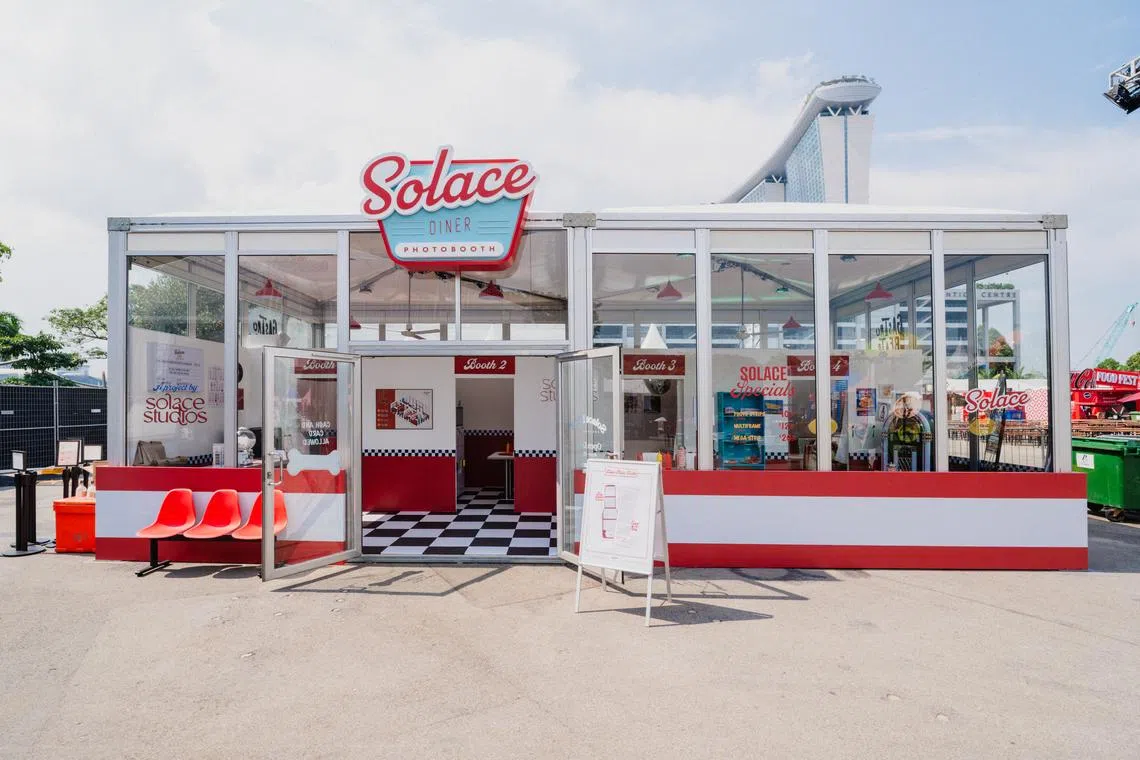
Founded in November 2022, the self-photo studio chain rapidly expanded to about 20 locations, with revenue growing some 400 per cent from 2023 to 2025.
“I think we have opened enough stores in Singapore,” says owner Keith Kok. “The market is quite saturated and opening more stores could dilute sales across our existing outlets.”
He therefore intends to focus more on rentals, which currently contribute about 10 per cent of revenue. Rentals and pop-ups offer growth without long leases or high fixed costs, he adds.
Still, rentals are not without risks. A large-scale pop-up at Gastrobeats had cost over S$100,000 to set up and was ultimately loss-making, though Kok says it paid off as a branding exercise that led to further collaborations.
From Neoprint to now: How photo booths evolved
Sticker-style photo booths
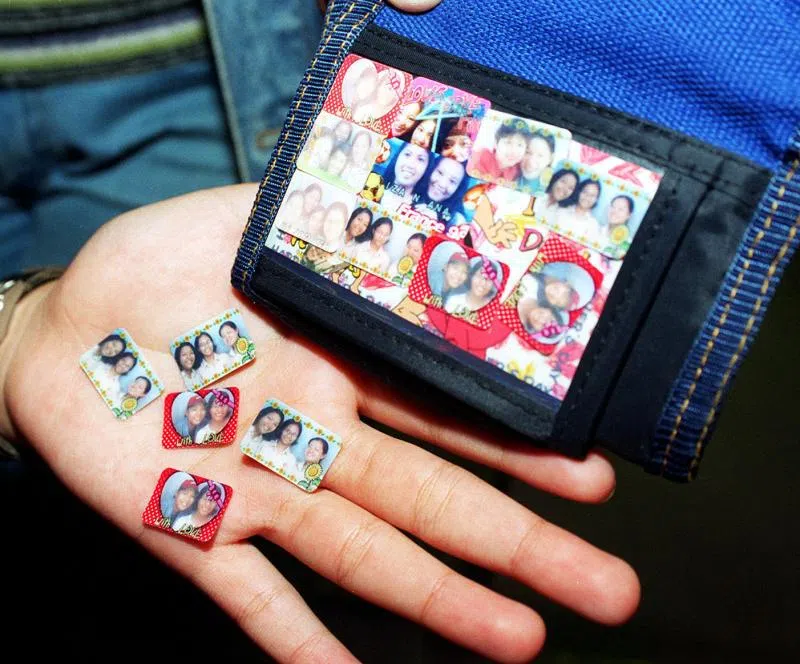
Located in arcades and malls, Neoprint machines allowed users to doodle on photographs that were then printed as stickers. Popular with teens, they faded out with the rise of camera phones.
Self-photo studios
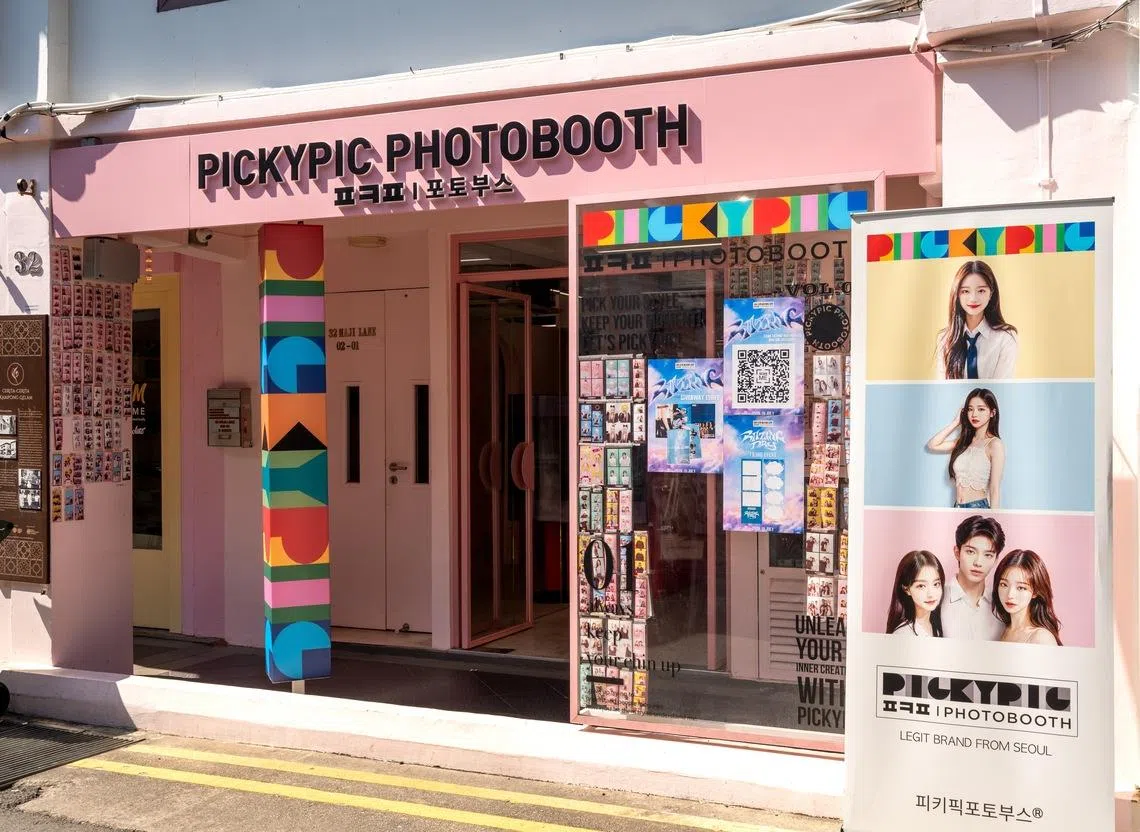
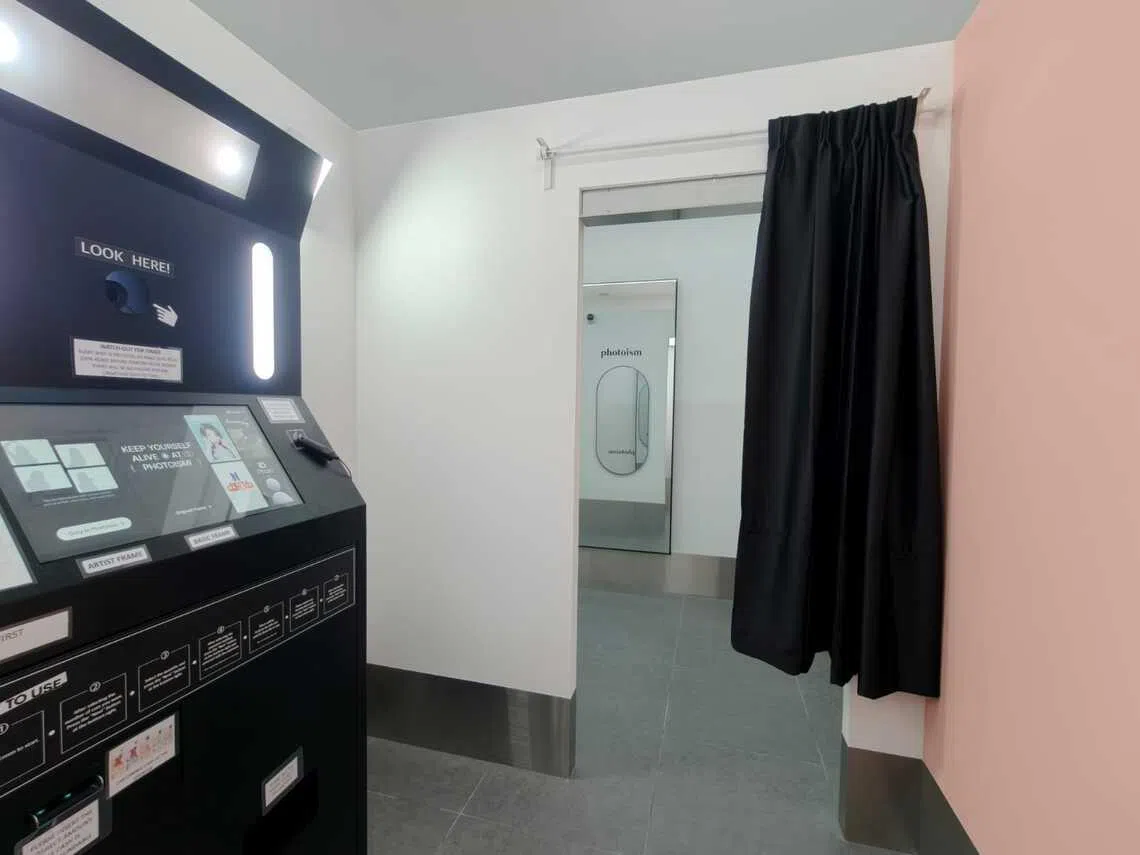
At these unmanned studios with plain or pastel-coloured backdrops, users could take studio-quality photographs on their own. Many of these studios drew inspiration from similar chains in South Korea, with some offering K-pop-inspired frames.
Immersive experience concepts
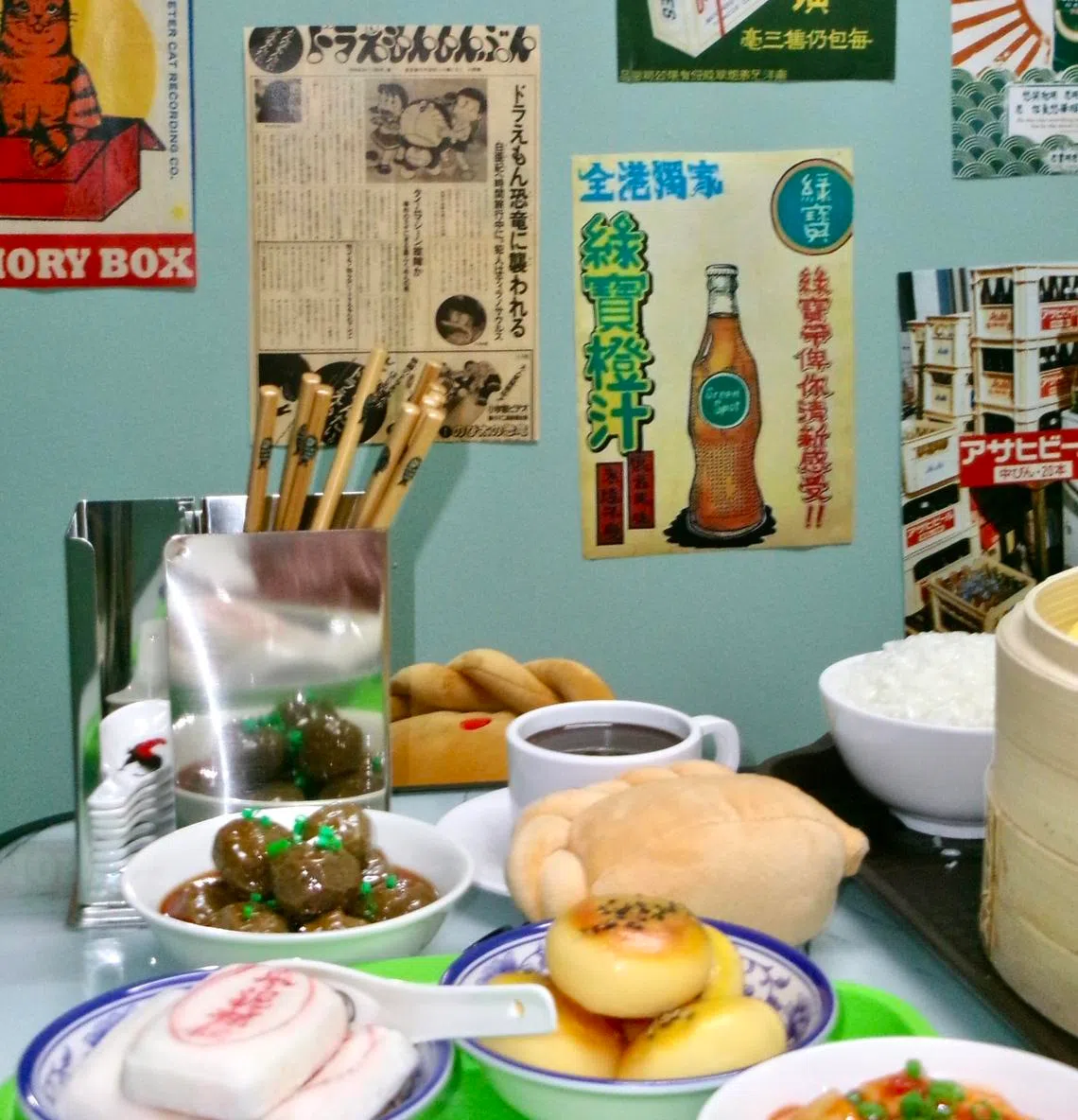
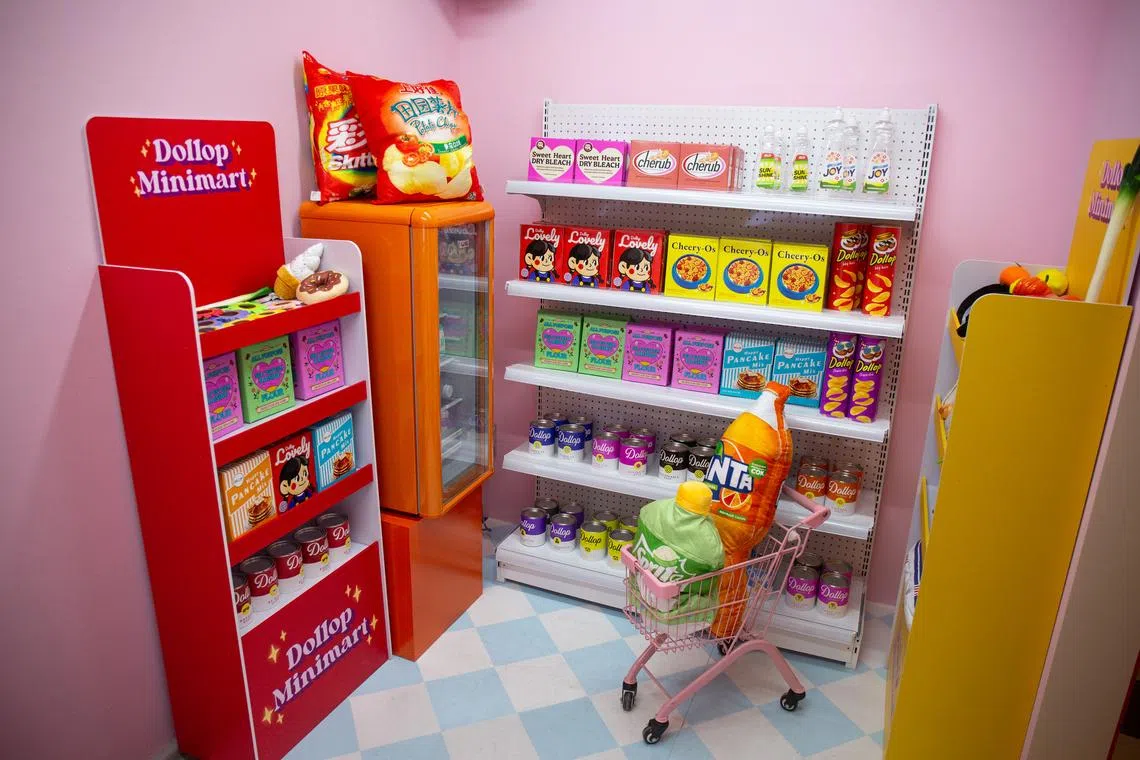
From hawker stalls to minimarts, themed sets offer props, special print formats and collaboration-driven frames. Users can enjoy the experience of posing within the set – then share the results on social media.
Beyond the fad
Despite the crowded market, operators see long-term potential in the industry.
Standard Photo’s Brian Sukri points to the timeless appeal of preserving memories, noting that while technology has evolved – from film to digital devices – the desire to capture moments remains.
“It’s a business that won’t die out, it just takes different forms,” he says.
Dr El Hajjar says the current wave differs from the novelty-driven and technology-led Neoprint era. Modern booths prioritise curation, aesthetics and social relevance, and are integrated with social media – giving the trend a longer shelf life.
“Growth will come from deeper storytelling, stronger collaborations, and integration into life moments such as birthdays, graduations and even corporate or community events,” he says.
“Plateauing will happen if studios become interchangeable and rely only on filters or frames. A clear signal of decline would be heavy discounting and over-expansion into identical locations.”
Dollop’s Sun, meanwhile, thinks there is room for further evolution. “We are not really seeing the full manifestation of what the industry can be yet.”
Instead of just prints, photo booths can offer more personalised items, he suggests. For instance, NFC-enabled photo keychains could include links to digital content such as video messages, playlists or photo albums.
The real value of photo booths lies in giving people a space to create meaningful memories, he says. “It’s not just selling you a print of yourself. What is the deeper purpose behind that? I think when you lock in on that, it will help you create truly authentic experiences.”