

Key trends shaping the supply chain and distribution outlook
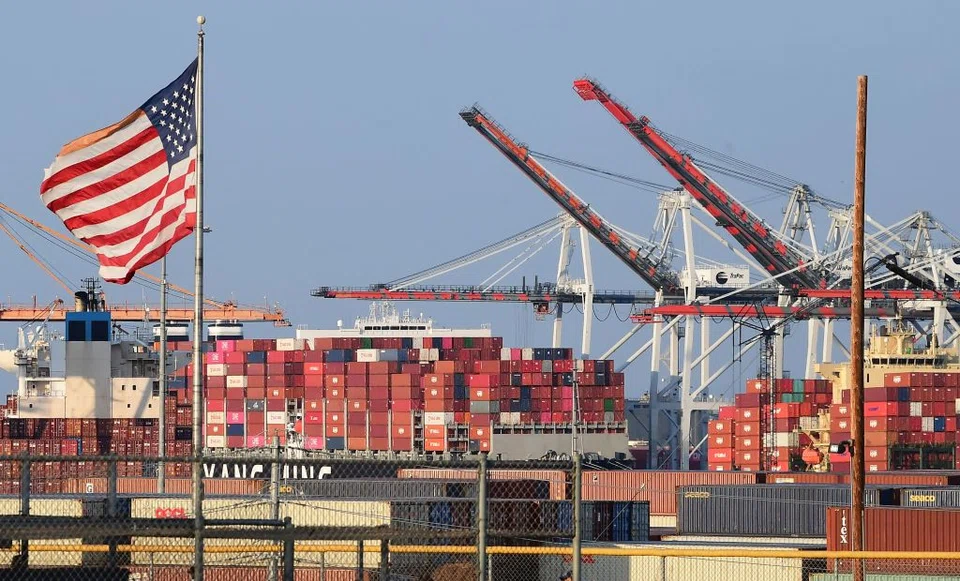
SUPPLY chain chaos has taken on a life of its own, especially in the wake of the past few years. While it appears as though the worst of pandemic-induced disruptions have abated and global supply lines are stabilising somewhat, it is crucial to note that we aren’t out of the woods yet. In fact, the looming recession signals a fresh wave of business uncertainty and volatility to come – and organisations must continue to keep adaptability and agility at core as they seek to navigate the challenges ahead.
As we look to 2023, here are six key trends that will continue to shape the supply chain and distribution landscape in the year to come.
1. Economic slowdowns will abound – in the US and beyond – with shocks trickling down to the supply chain
We are already seeing moves by the US Federal Reserve and other central banks to raise interest rates and cool economic demand in bracing for recession. While this may serve as an initial buffer to push down supply prices and fight inflation, it comes at a significant risk that slowdowns in demand may worsen the recession. As a result, businesses will need to fight harder to differentiate themselves competitively by offering value-added services, while protecting the business bottom line. Technology stacks will therefore be vital in enabling the agility and innovation needed to provide these services in an efficient and cost-effective manner.
2. Even the best laid supply chain plans will go awry, and businesses must prioritise the ability to pivot, over perfection
Uncertainty and volatility will continue to conspire with local and global factors to upend supply chains and expose new vulnerabilities across global networks. Neither demand nor supply will reach stable and sustainable levels in 2023, even as geopolitical, environmental, and macroeconomic pressures play out. And while supply chain planning will remain critical to organisations, business leaders must move past trying to predict the future to 100 per cent accuracy.
Instead, they ought to prioritise and invest in building the necessary capabilities that will enable them to plan and forecast a wider range of what-if scenarios, to ensure their businesses are prepared to adapt and pivot quickly, no matter the uncertainties that lie ahead. In this regard, we will see more organisations scale their adoption of artificial intelligence, machine learning, and demand planning and deployment technologies to better forecast delays and disruptions. This will enable organisations to adopt a more proactive, rather than reactive, approach to changes in the market, and build in the necessary contingencies to mitigate some of these challenges.
3. Winter is coming, and it will be rough
Russia’s war on Ukraine continues to affect energy and food supplies worldwide, with Europe, the Middle East and Africa expected to be the hardest hit. Though global supply chains have evolved to help balance out regional gluts and shortages, the extent of knock-on effects from increasingly frequent and unforeseen disruptions in demand, supply and freight flows will continue to drive inflation, scarcity, and pockets of distress – the effects of which will ultimately trickle down to Asia as well.
4. Labour becomes a major vector of supply chain dysfunction
Ongoing labour strikes and protests by transport and warehouse workers across the globe will continue to threaten essential commerce, logistics and manufacturing activity. In China’s “factory cities”, for example, persistent, knee-jerk lockdowns have hampered factory output, while two-week strikes by South Korean truckers have been sufficient to significantly disrupt supply chains and economic activity. And while wages in this sector have been raised over the past few years as a result of extreme worker scarcity, this has been largely offset by the soaring costs of living.
As a result, we can expect that growing economic disparity will continue to drive unrest and political shifts around the world, in tandem with the flexing of labour muscles to reset employment dynamics in key supply chain entities.
5. China decoupling efforts will uncover more supply chain inadequacies
For several years, procurement operations in many industries have been systematically diversifying supplier networks to countries beyond China to minimise the impacts of tariff hikes, trade wars and zero-Covid strategies. These trends are expected to continue, in addition to supply chain risks from potential geopolitical disputes, and naval and maritime power plays – all of which will have to be managed actively, and strategically.
Ports, inland transport routes and waterways in other Asian countries benefiting from supply chain shifts do not yet have the transport and logistics infrastructure, or the service providers, to match China’s strength. As such, trade routes passing through areas of Chinese control or influence may still be subject to unforeseen disruptions from the global powerhouse.
6. Supply chain visibility will be redefined
This year saw the announcements of job cuts at leading real-time transportation visibility providers, and dramatic softening of venture capital activity in the supply chain technology sector. Industry analysts increasingly mention the dissatisfaction they are hearing from enterprise buyers of transportation visibility, disappointed by the lack of long-term returns from their investments and the essential business context that is still missing from transport data alone.
As the real-time visibility market shifts out of hype cycle mode into the sobering realities of a global economic downturn, and growing supply chain maturity levels, we will see a renewed emphasis on supply chain business networks and their application platforms to serve up a broader, more holistic, and more converged approach to operational supply chain visibility. Buying decisions for visibility will involve more stakeholders and potential beneficiaries than the transportation department – with procurement, finance, sales and operations planning, inventory management and even environmental, social and governance (ESG) leaders weighing in on technology projects. This is to ensure scalability, flexibility and a broadened supply chain ecosystem coverage that will help address fast-evolving business needs.
The writer is senior vice president and general manager for Asia Pacific and Japan at Infor
TRENDING NOW

Two Singapore-listed palm oil firms named in Greenpeace report on Indonesian plantation fires

Singapore Airlines flight returns to San Francisco after ‘unruly’ passenger incident

Singapore looking into which companies responsible for haze-causing fires: PM Wong

Deluge IPO 3.86 times subscribed ahead of SGX debut

