The kidults are more than all right for toy companies
There is more than just escapism at work as grown-up collectors and hobbyists swell the market
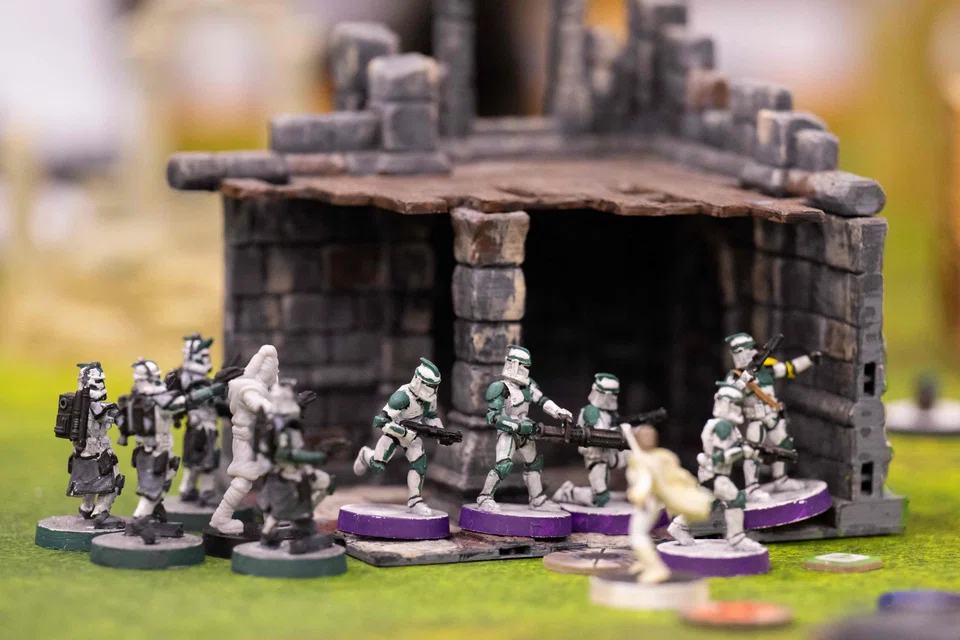
THESE days you don’t have to look far to spot an AFOL. For the uninitiated, these are individuals who call themselves Adult Fans of Lego – a growing customer segment for the Danish toy company that is increasingly chasing this so-called “kidult” market.
From Star Wars figurines to Jellycat plush toys and Labubu monster dolls, adults are hoovering up toys at a rate that has forced the whole industry to rethink its customer base.
Hasbro now courts grown-up collectors, Mattel has launched an adult “brick shop” to build elaborate Hot Wheels cars and “throwback collections” of American Girl dolls from the 1980s and 90s. Lego has a “botanicals” range that allows customers to make bonsai trees and flowers from its bricks – for display as well as play.
This market is no longer a sideshow, nor catering to niche interests of anoraks. In Europe and the US, adults who buy toys for themselves are increasingly among the most reliable customers, willing to pay premium prices and shopping more frequently than parents buying for under-12s. US sales to over-18s increased by 18 per cent in the first half of 2025, indicated data firm Circana. And in the year to Jun 30, this cohort accounted for 19 per cent of the total US toy industry sales. And recent growth was nearly split between men and women.
Escape amid the overwhelm
Retail analysts point to a mix of nostalgia and the positive feelings associated with play, particularly at a time of political instability, economic anxiety and news avoidance. Who can blame them? Toys and games offer a pocket of calm and an escape amid the overwhelm.
An employee at a Lego store in London, where a queue of what appeared to be mainly over-18s was snaking around the corner, said adult customers increasingly bought sets to “relax” and “divert their minds from their everyday lives”.
For others it’s about the chase – particularly for collectibles – and the feeling of accomplishment. “Some of these are hard to get – and very expensive,” one reseller told me. His customers range from doctors and finance bros to construction workers. The common thread: “It’s about a sense of achievement – getting something rare, something others want.”
For many, that thrill of ownership can be a substitute for bigger life milestones. When owning a home or starting a family can feel out of reach, completing a toy collection is relatively achievable.
Some products are chased for profit as much as pleasure and demand can change. Funkos – the bobble-headed character toys – may not be as popular any more; Pokemon cards are again a hot commodity. “It’s an addiction for some, like gambling,” the reseller said, describing clients who scour online Discord community chat groups to track the next big thing. His business can undoubtedly be lucrative. “I sold a specific figurine for more than US$10,000,” he added.
Large companies are feeding the chase with monthly “drops” of limited editions. For them, the adult market is as much about “displayability” as anything else, where toys act as conversation starters or interior design pieces.
But the trend also taps into a broader shift: adults reclaiming attention and tactile engagement. In the same way that hobbies such as embroidery, DIY or even padel have surged, building the Titanic out of Lego offers a respite from screens and a way to channel focus.
It’s no wonder then that Games Workshop Group – the creators of tabletop battle game Warhammer – has seen its share price rise 3,000 per cent since the start of 2016. Aficionados paint miniature soldiers and fight others’ “armies” at in-person tournaments. The growth has even propelled a Warhammer economy – from strategy coaches to expert painters.
The pandemic – which spurred sales of puzzles and board games as people were locked down at home – acted as a catalyst and reignited lost hobbies and childhood memories. “I never had the skill or money to do it well (when I was younger),” said a friend in the investment world who now 3D prints and paints his own soldiers. He has dedicated an entire room in his home to his interest.
For buyers, toys have in some ways become tools for adult coping – objects that promise to delight, give a sense of control and even represent small wins in a world where all three seem short in supply. Sellers are only happy to help. Riding the wave of recent obsessions, Pokemon-themed Lego sets are set to hit shops for the first time next year. FINANCIAL TIMES