A lesson for small powers from the Nexperia imbroglio
The Americans has targeted Nexperia in their Entity List – a trade restriction measure to sanction firms deemed inimical to their security
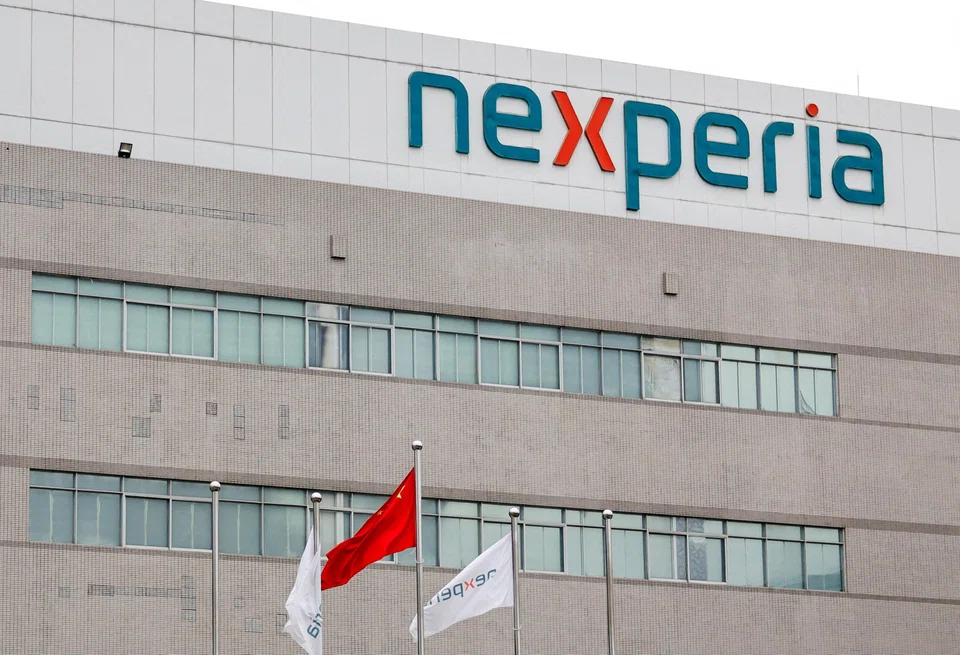

IF THERE is a lesson in the ongoing Nexperia saga, it is that small countries should be wary of getting overly enthusiastic about doing the bidding of one superpower against another. The backstory is too long to fully recount here. But a summary may help clarify the issues. In late September, the Dutch government used a Cold War-era law to place Chinese-owned Nexperia, a legacy chipmaker, under state supervision. The Dutch justified their action by saying it was to prevent technology transfers that could weaken domestic control over legacy chip production.
In fact, the Americans had targeted Nexperia in their Entity List – a trade restriction measure maintained by the US Commerce Department to sanction firms deemed inimical to their security. The Hague denies any input from Washington. So perhaps it was an act of civilisational solidarity.
Wingtech, Nexperia’s owner, was put on the Entity List in December 2024. Nexperia already said its operations in Holland were being kept at arm’s length from its Chinese parent. Wingtech called the Dutch government’s intervention in Nexperia, once part of giant Dutch electronics group Philips, “excessive interference driven by geopolitical bias”. In other words, Nexperia became yet another casualty in the ongoing power tussle between Washington and Beijing.