The little secret I’ve learned from 30 years of watching debates with voters
It’s not the facts, the policies or even the one-upmanship that Biden and Trump offer in the debate, it’s how they make voters feel
 Add BT as a preferred source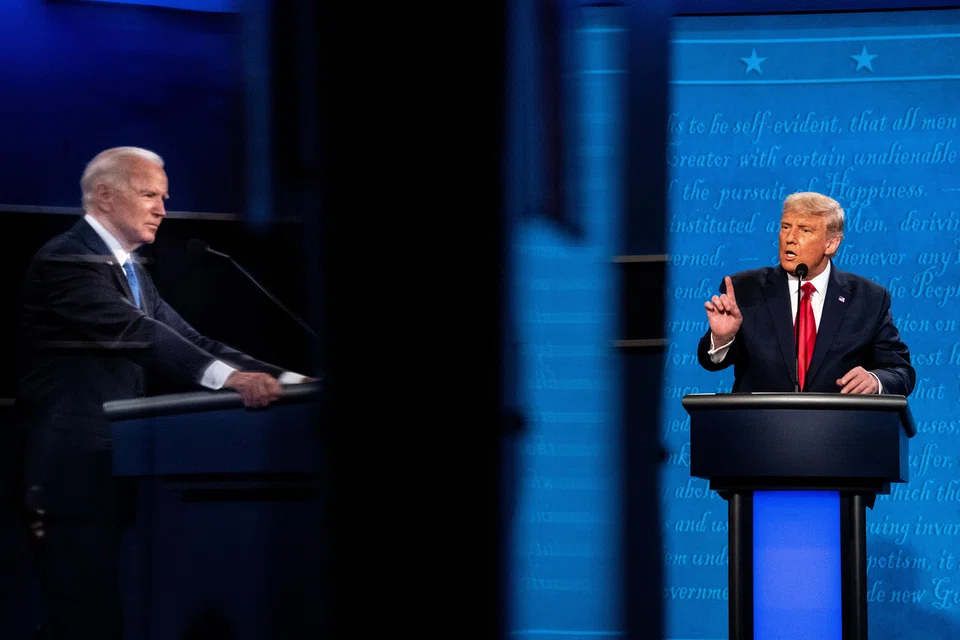
IF YOU’RE a typical American voter in any party, allow me to let you in on a little secret: What matters most to you in a presidential debate probably isn’t the same thing that gets the most attention from the candidates, the campaigns and their allies in the immediate aftermath of those big televised showdowns.
I’ve learned this from studying American reactions to almost every general election presidential debate since 1992. I’ve sat with small groups of voters selected from pools of thousands of undecided voters nationally, watching more than two dozen presidential and vice-presidential debates in real time, and it still amazes me that minuscule moments, verbal miscues and misremembering little details can matter so much in the spin room and to partisan pundits afterward. Yet those things often have little to no discernible impact on the opinions of many people watching at home.
To be fair, some of the debates I watched with voters, like Bill Clinton and Bob Dole’s in 1996, had no major impact on the electorate’s mood. Others – like the three-way town hall debate with Clinton, George H W Bush and Ross Perot in 1992 and the first George W Bush-Al Gore debate in 2000 and the three Donald Trump-Hillary Clinton collisions – arguably changed history.