

Lost revenues, organised crime and health risks
Why illicit trade is one of Asean’s biggest threats
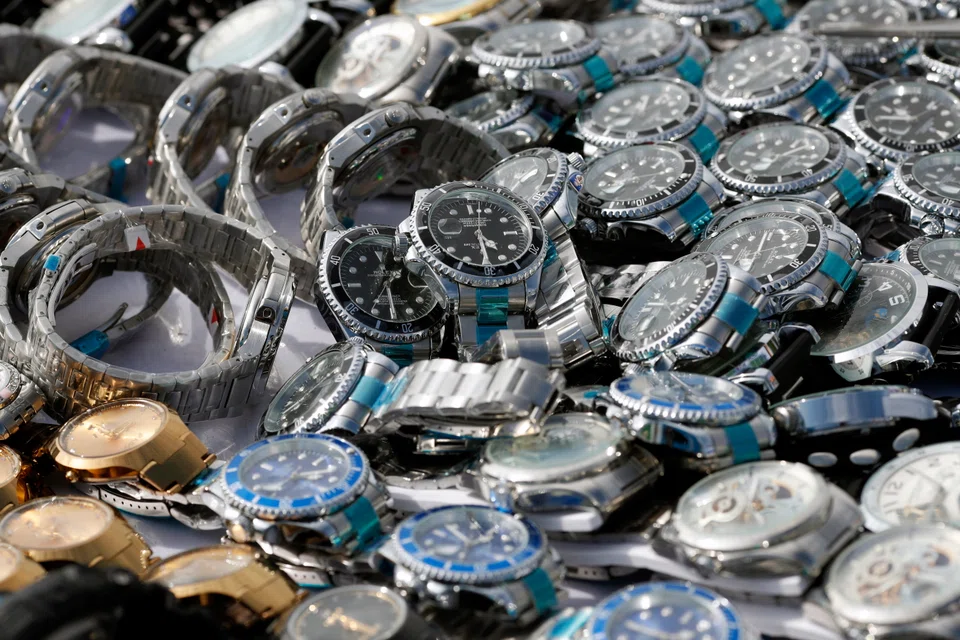
THE busts are getting bigger and the goods more diverse.
In March 2023, Singapore authorities seized nearly 85,000 illegal e-vaporisers in what was a record haul. Across the Causeway, Malaysian police raided a laboratory suspected of producing counterfeit medicines in May. The same month also saw fake gold and herbal products worth nearly US$400,000 being confiscated up north in Thailand.
All across South-east Asia, 2023 is proving to be a busy year for authorities, with illicit trade showing no sign of abating. It is estimated that the region’s counterfeit market is now worth a mammoth US$35 billion annually – bigger than the gross domestic product (GDP) of Cambodia itself. It is expected to only get worse.
This comes at a bad time for Asean, given the regional body’s ambitious aim to achieve economic integration in two years as part of its Asean Community Vision 2025 master plan. Established in 2015, the blueprint looks to gear the region towards better market integration and political, security and socio-cultural cooperation.
Illicit trade is fast becoming one of the biggest and most persistent threats to this goal, as noted by a recent joint report by the Transnational Alliance to Combat Illicit Trade and the European Union (EU)-Asean Business Council. Indeed, this is a problem affecting almost every industry, with countries, businesses and communities suffering the consequences.
If Asean is to fulfil its aspirations of becoming a socioeconomic powerhouse by 2025, more decisive action needs to be taken quickly. Combatting illicit trade is a long and arduous journey, and the time to do so is running out.
A wide-ranging threat
The Covid-19 pandemic saw illicit trade pick up momentum, as criminal gangs seized the opportunity to enhance capabilities when closed borders hampered international trade. For instance, an illegal medical black market exploded, with fake medicine and face masks sweeping across the region. Now it is valued at nearly US$3 billion annually.
A flourishing e-commerce industry – a legacy of the pandemic – has helped illicit trade to continue thriving, as it is much easier to facilitate online. Authorities are constantly engaged in a game of whack-a-mole with elusive vendors who can simply close their platforms and pop up elsewhere.
Besides shady dealers, sudden regulations have also exacerbated the issue, with drastic tax hikes driving consumers towards the black market. With higher taxes equating to bigger profit margins for illicit goods, there is now a stronger financial incentive for the bad guys to continue selling their products.
Look at Singapore’s growing problem of vapes, which is banned in the country. A 15 per cent increase in excise duty on tobacco in February has driven many smokers towards vapes, the cheaper electronic option.
In Malaysia, a significant tax hike drove more people to illicit cigarettes, to the point where it is now estimated that more than half of all cigarettes sold are done so through illegal channels.
For Asean, the impacts of illicit trade are enormous. Lost tax revenues translate to missed opportunities for governments to invest in essential services such as education and healthcare, and in infrastructure. It also fuels organised crime, threatening safety and security. All these hinder a country’s economic and social development.
Businesses also run reputational risks as people buy fake, unreliable products that are marketed under their brands. Potential profit lost to the black market impedes research and development, hindering innovation and growth too.
Most importantly, at an individual level, consumers face major health and safety risks. Being completely unregulated, illicit goods are dangerous. Something as innocuous as children’s toys could have toxic paint. Counterfeit electronic goods could cause shocks or even explosions. No product is safe.
Fighting on all fronts
To counter these threats that are coming from all sides, Asean must similarly adopt a multipronged approach to combat illicit trade.
The first line of defence is to enforce stronger laws. This means harsher fines and longer jail times. Judging from the sheer number of seizures each year, it is clear that current penalties are not enough. A more muscular approach is needed.
But a show of strength is not enough. With illicit trade being a long-term battle, our fight must also be sustainable. This is where improving capabilities in all areas comes in. We can enhance intelligence sharing between governments and law enforcement agencies, with Asean currently looking to establish an enforcement centre that will tackle transnational crime.
Law enforcement agencies will also need more resources that will give them the tools and skills to accurately spot illicit products. For instance, the EU-Asean Business Council regularly conducts workshops on product identification training, with an upcoming one to be held this October.
There needs to be more public-private collaboration too, as brand owners often know marketplace trends better than the authorities and are able to provide the intel required to pursue the people responsible. In September 2022, Indonesia’s director-general of intellectual property signed an agreement with e-commerce company Tokopedia to weed out counterfeit products on the platform.
We must also focus on people by raising public awareness. Buyers need to understand the implications of these fake goods – such as the use of toxic ingredients or child labour, for example. If we can make people understand the consequences better, they might think twice about purchasing a counterfeit product.
With illicit trade becoming entrenched across all industries and having such far-ranging impacts, we will need a powerful, all-encompassing response to combat it. Only then can Asean achieve its goals for economic prosperity by 2025. There is still time for more to be done.
The writer is executive director of the EU-Asean Business Council, an association that promotes the interests of European businesses operating in Asean
TRENDING NOW

Once staunchly pro-China, Malaysian Chinese businesses are now distancing themselves from Beijing

Cliff Tan has 7 million followers and a 4-month waitlist. Why won’t he expand his business?

Grab CEO’s wife Chloe Tong on life with Anthony Tan and finding her purpose
Singapore F1 to proceed despite haze; no changes planned to outdoor entertainment

