
Low-carbon hydrogen is the future; how can we get there?
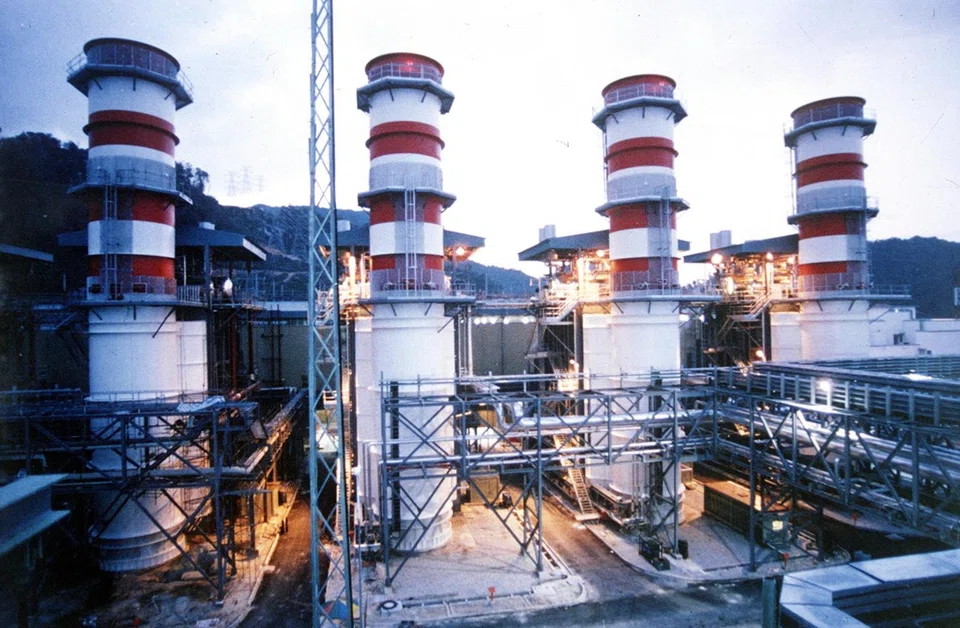
    • Old power plants nearing end-of-life can be repurposed for the hydrogen economy.
    • Old power plants nearing end-of-life can be repurposed for the hydrogen economy. BT
    Published Fri, Nov 25, 2022 · 06:50 AM

    SINGAPORE has firmly set its sights on a target: To achieve net zero by 2050.

    The solution could be low-carbon hydrogen, which doesn’t create greenhouse gas emissions and thus helps in decarbonising industries such as petrochemicals, aviation, steel, heavy-duty mobility, and others.

    At the Singapore International Energy Week in October, Deputy Prime Minister Lawrence Wong announced the launch of Singapore’s National Hydrogen Strategy, a roadmap of how the fuel can support Singapore’s decarbonisation efforts and how the government can prepare for a hydrogen future.

    Singapore will take steps to prepare for hydrogen deployment domestically and work with partners to build a supply chain in Asia. The government has signed multiple agreements with countries regarding green energy sources. With Vietnam, it signed a MoU to collaborate on energy and carbon credits including research and development, the deployment of hydrogen, ammonia and related infrastructure.

    Why is hydrogen important? Very simply, to avert the worst impact of climate change.

    To keep global warming below 1.5°C – as called for in the Paris Agreement – emissions need to be reduced by 45 per cent by 2030 and reach “net zero” by 2050.

    Encouraging businesses and individuals to be more energy-efficient and reduce carbon emissions while adopting green energy alternatives is vital to the plan.

    The government believes that policy levers can drive a change of behaviour.

    For example, the imposition of higher carbon tax rates. Earlier this year, Singapore announced that it will raise carbon tax from the current S$5 per tonne of CO2 equivalent, to about S$50-S$80 by 2030.

    The country’s high petrol taxes and the absence of subsidies for fuel or electricity are other ways of encouraging people and businesses to shift to cleaner alternatives.

    The government believes that low-carbon hydrogen has the potential to be a major decarbonisation pathway to support its transition towards net zero and it could supply up to half of the country’s power needs by 2050.

    Beyond policies and plans   

    What remains unclear, however, is how the implementation of the policies will work.

    We haven’t heard any details of how Singapore plans to attract global hydrogen players into Singapore and facilitate development of cost-effective world-class hydrogen infrastructure.

    But why is it important?

    Kickstarting a hydrogen economy requires a government-designed mechanism that incentivises current players to transform their existing assets to become ready for hydrogen, rather than construct new facilities.

    Typically gas turbines are fuel-flexible and can be easily configured to operate on green hydrogen. This will help in utilising the country’s mature power plant assets.

    Singapore itself has no hydrocarbon resources and imports crude oil for refining and for the petrochemical industry. According to data from the US Energy Information Administration, petroleum and other liquids represent 86 per cent of Singapore’s primary energy consumption, followed by natural gas at 13 per cent. Coal and renewable energy sources together account for the remaining 1 per cent of primary energy consumption.

    Neighbouring Malaysia also has big plans to cut down carbon emissions. Malaysia recently launched its National Energy Policy, 2022-2040, proposing incentives for the development of low-carbon technologies. It aims to turn the country into a leader in high potential growth areas such as renewable energy, energy storage, low-carbon mobility, hydrogen, and others.

    Challenges and solutions 

    With increasing carbon tax rates, low margin businesses such as refineries in Singapore will struggle especially if they don’t make enough profit to absorb the high tax rates. Sectors such as oil or petroleum refineries are finding it difficult to attract financing for new projects.

    The government will need to be more proactive in the circumstances to turn the problem into an opportunity. Not least, we need regulatory guidelines to help the industry deal with the current challenges. For example, if there was a CO2-to-fuel standard, carbon dioxide could be converted into usable fuel. We could not only capture the carbon dioxide but also sell it for a profit. Countries such as the UK are already doing this.

    We therefore suggest embracing low-carbon hydrogen and to develop the ecosystem around it. As the world is shifting to cost-efficient hydrogen production, countries such as Singapore and Malaysia should create a framework for the ecosystem to thrive.

    Our second proposal is integrating oil and gas into the decarbonisation strategy.

    For example, Malaysia has a large base of old power plants, as well as mature oil and gas assets, which are reaching end-of-life and can be repurposed for the hydrogen economy.

    It is possible to turn offshore oil and gas assets into offshore wind turbines, which are the fastest and cheapest way of providing fossil-free hydrogen at scale.

    Carbon capture, utilisation and storage (CCUS) technology is converting CO2 into usable fuel. It plays a key role in decarbonisation efforts.

    Sabah and Sarawak in Malaysia, as well as Thailand offer great potential for carbon capture and show how Singapore can benefit from it. And the projected carbon tax revenue could well provide the necessary financial support for the country’s decarbonisation projects.

    Research and development are great first steps. But in order to fully engage in decarbonisation efforts, both Singapore and Malaysia will need to deploy their existing resources to create a sustainable hydrogen economy.

    The writer is a manager at Arthur D Little



