

Making inroads into a low-carbon economy in Singapore
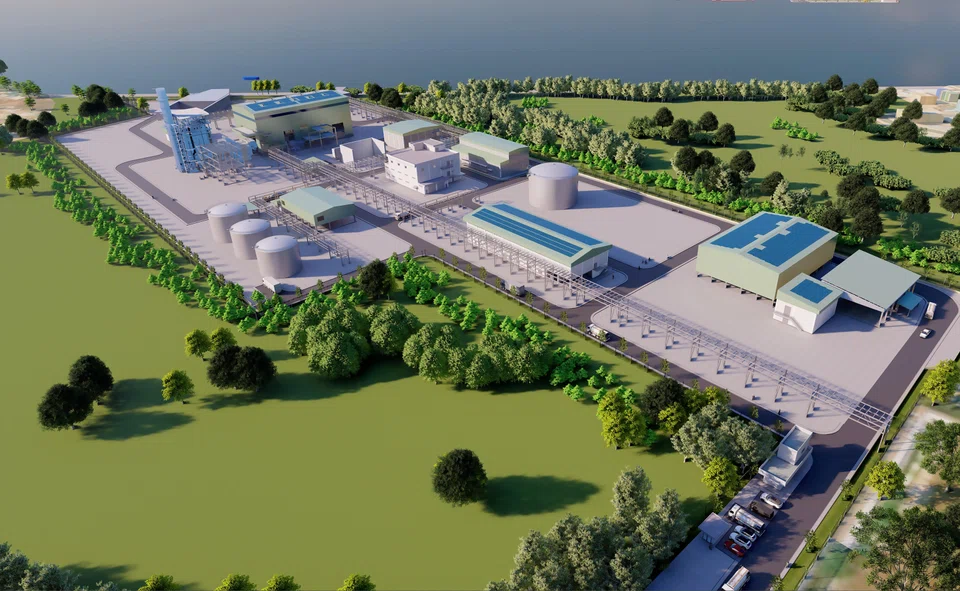
SINGAPORE is making headway on its “net-zero emissions by 2050” target through multiple pathways.
Besides utilising imported natural gas, the cleanest fossil fuel, for 95 per cent of its power generation, and aggressively growing domestic solar photovoltaic (PV) deployment to actively decarbonise its power sector, the Energy Market Authority (EMA) of Singapore is also focused on two other pathways towards decarbonisation: low-carbon hydrogen and low-carbon electricity imports.
The country is planning for low-carbon hydrogen and its derivatives to meet up to 50 per cent of the nation’s projected electricity demand by 2050. Low-carbon hydrogen has been widely embraced by some 40 countries as a key decarbonisation strategy. Besides the power sector, hydrogen is especially important for hard-to-abate sectors, such as steel, energy, chemicals, aviation and shipping.






