Making the most of the AGM at a complex time
In an uncertain landscape, these meetings are as crucial for calming investors’ nerves as for inspiring confidence in the organisation’s long-term strategy
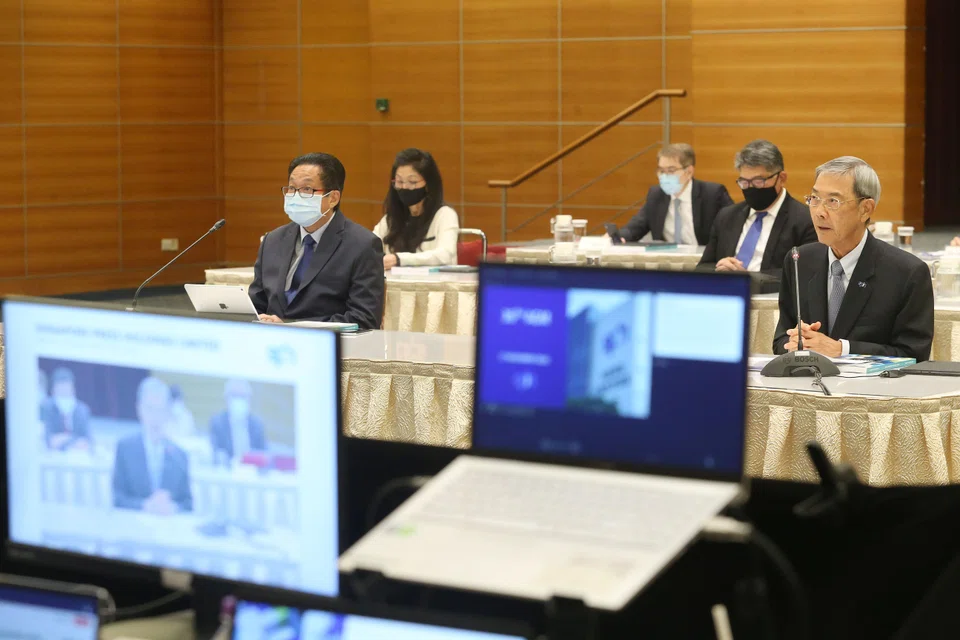
AS THE annual general meeting (AGM) season approaches, the uncertainty that looks set to define this year’s business environment will likely cloud these shareholder gatherings.
While last year’s AGMs were marked by energy and enthusiasm as companies eagerly laid out their plans to bounce back from the pandemic, we can expect a more tempered sentiment this time.
After all, companies have been grappling with a host of challenges, including significant inflation, high interest rates, compressed margins and geopolitical tensions – and these are not expected to diminish anytime soon.
Stakeholders are concerned with myriad issues, from short-term dividends to longer-term profitability and sustainability. Boards must use the AGM as a forum to calm nerves and reassure stakeholders of their plans to navigate the uncertainty ahead.
For those who have emerged stronger from the pandemic, it will be useful to discuss how the skills built during the crisis are serving the leadership team in responding to ongoing challenges.
What proactive strategies is the management adopting to pivot, position or realign the business and operations for the opportunities and risks in the new reality? Clarity and certainty is vital. Boards that can outline a robust plan to navigate the tricky waters ahead will be well placed to secure stakeholders’ confidence at the upcoming AGM.
Sharing the ESG story
Boards should not limit themselves to talking about how to tackle short-term uncertainties. Stakeholders will want to hear more about the company’s long-term value-creation proposition and how the board defines the vision and future of the organisation.
In particular, it would be interesting to watch for the sustainability reports of listed issuers. All Singapore Exchange-listed entities are mandated to provide climate reporting on a “comply or explain” basis for financial years starting on or after Jan 1, 2022. Companies that have progressed in their decarbonisation journeys can use the AGM to highlight their commitments and achievements.
Such companies may even see their investment profile rise as the market calibrates their position in environmental, social and governance (ESG) performance. This is especially valuable for smaller companies that are punching above their weight in ESG efforts, yet have few other forums to showcase their successes.
Companies that lag behind should and must do better. Over the years, investor scrutiny of ESG performance has been rising – and will only continue to do so.
A significant disconnect seems to exist between the expectations of companies and their investors regarding corporate and sustainability reporting.
The latest EY Global Corporate Reporting and Institutional Investor Survey found that investors are critical of how Asia-Pacific businesses disclose information about their sustainability activities, with 75 per cent believing that they are “highly selective” about the information they provide.
Furthermore, 74 per cent of Asia-Pacific investors said companies should invest in ESG improvements even if it affects short-term profits, but only 58 per cent of regional business leaders feel the same.
This misalignment means that questions on companies’ sustainability reporting gaps are to be expected at the upcoming AGMs. The key is to be prepared to share the organisation’s sustainability roadmap: what it is doing now, next and beyond in this long-term journey.
Refreshing the board
Shifts are taking place in Singapore boardrooms as boards renew their composition. More women are taking up directorships. Boards that have stepped up diversity efforts should take the opportunity to highlight this organisational culture; how there is a move from rhetoric to action at the top; and how this has translated to better decision-making.
Board renewal is also a great opportunity for the board to broaden its slate of experience and expertise to deal with pressing issues. For example, directors with strong digital knowledge would be invaluable in steering the company’s digital transformation.
We also see many new economy companies taking on young directors to embed future-state thinking and varied perspectives in their boardroom strategy, particularly with dramatic shifts in consumer behaviours and workforce dispositions.
Boards with diverse compositions – in terms of skills, experience, outlook and culture – can bring their combined insights to bear in making complex business decisions. Proactive board renewal efforts, if taken, should certainly be highlighted at the AGM.
Spirit and substance of engagement
It appears that hybrid AGMs are here to stay, assuming the passage of legislative amendments that give companies the option of electronic meetings even after pandemic-era temporary orders are revoked.
Allowing hybrid AGMs demonstrates that the board is flexible in meeting shareholders’ preferences, whether they value face-to-face interactions or the convenience of virtual sessions. It also lets overseas investors and stakeholders access the AGM, thereby expanding the audience profile.
As investor profiles have evolved, so too should companies be flexible and versatile to strike a chord with younger and mobile investors.
Regardless of the AGM format, it is ultimately the spirit and substance of engagement that counts. Stakeholders will be looking to the board and management for assurance on how they will weather the economic headwinds. Beyond that, they will want to hear how the company is charting its sustainability course and strengthening its leadership for tomorrow’s challenges. Companies have a real opportunity to deliver an impactful message to build confidence and trust – so don’t waste an AGM.
The writer is Singapore head of assurance at Ernst & Young. The views in this article are his and do not necessarily reflect the views of the global EY organisation or its member firms.