

Malaysia’s erratic politics poised for a reprieve
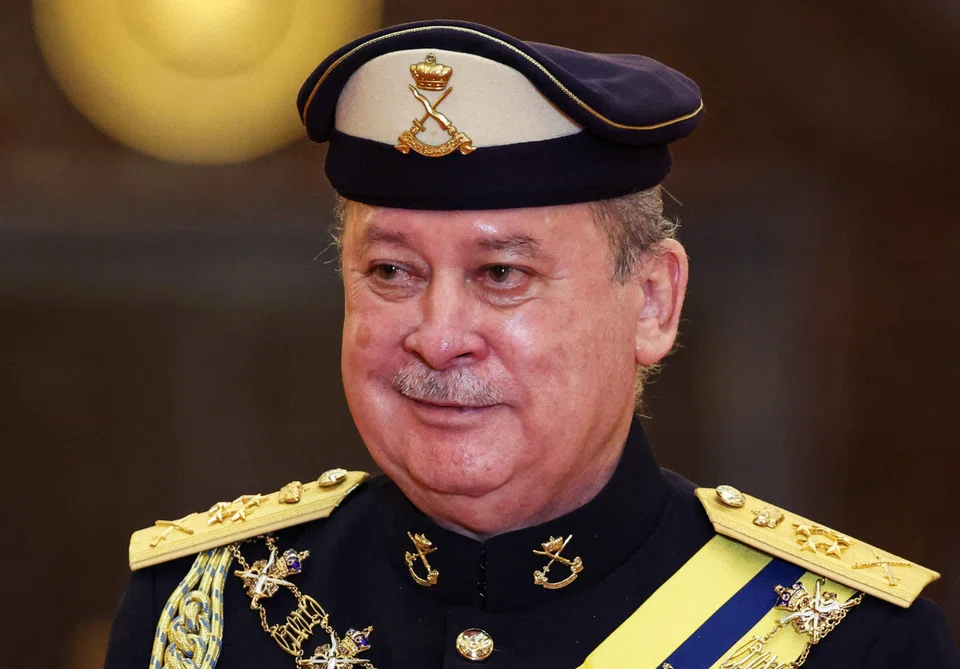
THE idea that Malaysia’s politics could stabilise, and that Anwar Ibrahim could serve out his full term as the country’s prime minister until 2028 – when the next election is due – is becoming less far-fetched.
In his maiden address to parliament this week, Malaysia’s new king Sultan Ibrahim Iskandar said he would not entertain any attempts to “play politics” or shake up the government.
He also called on all parties, including the opposition, to accept the prevailing order and respect the unity government led by Anwar.
The role of Malaysia’s king is largely a ceremonial one, with limited powers. Unprecedented upheaval in the country’s politics over the past four years, however, has thrust the country’s sovereign into the limelight.
The new king’s remarks carry significant weight, especially since opposition forces could threaten the stability of the unity government led by Anwar.
The current king’s predecessor, Sultan Abdullah Ahmad Shah, noted in his final parliamentary address that he was the only king who reigned over four prime ministers and four different Cabinets.
He had appointed three prime ministers during his five-year reign.
More political instability could rock the country even as it faces macro headwinds of inflation, high interest rates and slowing consumer demand. It would also detract from efforts by Anwar’s regime to mend the economy and restore investor confidence.
The road ahead is bumpy. The Malaysian ringgit has weakened more than 4 per cent against the US dollar this year.
The ringgit fell to 4.80 against the greenback recently – the lowest level last seen since the Asian financial crisis in the late 1990’s. Against the Singapore dollar, the ringgit hit a new low of 3.5757 last week and is still hovering near that level.
The expectation that the United States Federal Reserve will hold rates higher for longer, on the back of recent data out of the world’s largest economy, is a key factor for the currency’s decline.
Several other currencies – including the Thai baht and Japanese yen – have depreciated even more against the greenback.
The ringgit’s historical low against the US dollar is denting investor sentiment, however, and will sting local businesses already struggling with soaring costs.
Some recent economic indicators suggest a soft patch for Malaysia, which is South-east Asia’s fifth-largest economy.
Malaysia’s GDP expanded 3.7 per cent in 2023, missing estimates as exports were hit by tepid global demand and geopolitical tensions.
Industrial production in December fell year on year, weighed down by the manufacturing sector.
January export numbers saw an uptick, however, putting an end to 10 consecutive months of decline since March last year.
The export trajectory in the ensuing months should be watched, more so on the back of the undervalued ringgit – a positive for the country’s export competitiveness.
Over the medium term, Anwar’s government has set in motion plans to position the country as a sweet investment spot in the region across several booming themes: green initiatives, semiconductors, infrastructure, e-commerce and artificial intelligence.
These next few years are critical for the government to make good on its promise to put Malaysia on a more sustainable growth trajectory and to deliver on structural fiscal reforms.
For that reason, too, the latest royal message out of Malaysia should resonate and come as a relief. It also sets the right tone to tamp down the intense politicking that has dogged the country in recent years.
TRENDING NOW

Once staunchly pro-China, Malaysian Chinese businesses are now distancing themselves from Beijing

New launch or resale unit? Here’s a guide for homebuyers
The lesser-known prospects in the Asian chipmaking supply chain

Cliff Tan has 7 million followers and a 4-month waitlist. Why won’t he expand his business?

