

MAS’ and other central bank moves are massively overrated
EUROZONE and UK interest rate hikes continue, the latter with a surprise 50 basis points in June. Meanwhile, US Federal Reserve chair Jerome Powell has hinted at more hikes ahead.
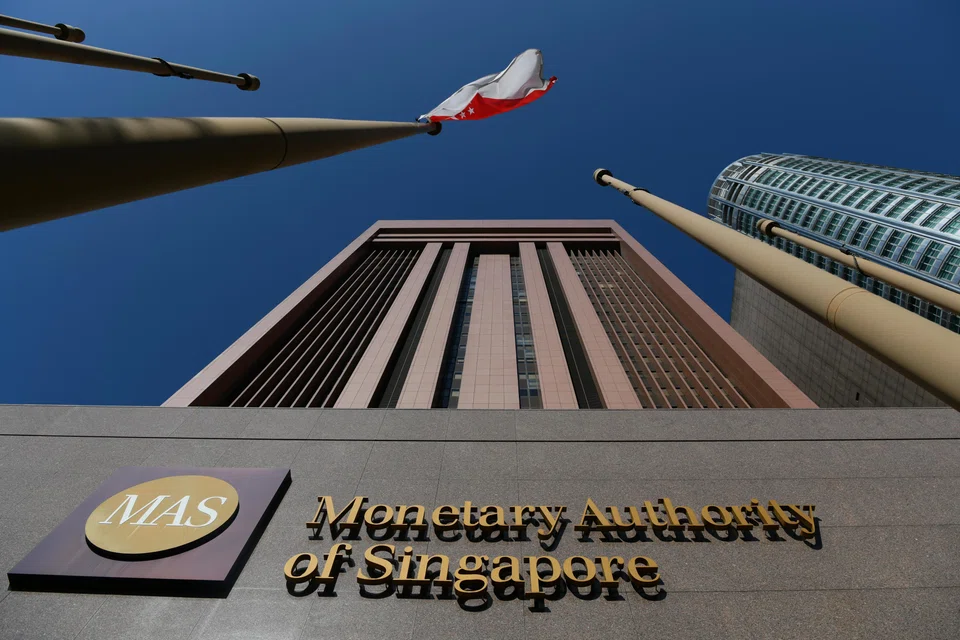
All this is stoking speculation over what is ahead for the Monetary Authority of Singapore’s (MAS) exchange-rate machinations.
Yet, whether tightening pauses, speeds up or lingers, central bank actions mean little. Their talk, even less. Here is why.
With their PhDs and institutionalised processes, central bankers are assumed by pundits to be wiser than the marketplace. They presume central bank talk is prescriptive, and their policy moves, critical. They are wrong.
Central banks are routinely far more reacting than causing. They don’t drive economic or market conditions, but are driven by them.
Why? Widely held economic expectations, such as inflation driving up long-term rates, are largely pre-priced. Plus, their similarly trained staff mean central bank talk is mostly groupthink.
Consider forward guidance: Central banks’ telegraphing of upcoming policy moves. It doesn’t prevent surprises. Instead, it foments chaos and confusion when gyrations differ from previously set expectations. It often can’t account for breaking developments.
You have lived this. MAS’ policy statement from October 2021 projected core inflation would “rise steadily from below 1 per cent on average this year to 1 per cent to 2 per cent in 2022”.
MAS tightened a bit as a pre-emptive move. Then, Russia’s invasion of Ukraine spiked energy and inflation globally – catching everyone off guard.
By October 2022, MAS had tightened five straight times. And core inflation? It climbed through 2022’s end and beyond, hitting 5.5 per cent in January and February 2023.
This is far more evident with the most hotly watched central banks. In 2022, soaring Western inflation exposed their guidance as feckless.
The European Central Bank (ECB) and Fed both deemed initial price spikes fleeting.
In late 2021, ECB president Christine Lagarde said “conditions to raise rates are very unlikely to be satisfied next year”. In July 2022, the ECB hiked rates by 50 basis points – the first of eight increases.
In May 2022, the Fed said it “wasn’t even considering” 75 basis point hikes. It hiked that much the following month and at each of its next three meetings.
The Bank of England? Former boss Mark Carney and his successor, Andrew Bailey, each were nicknamed “unreliable boyfriend” after policy flip-flops.
The Bank of Japan’s December 2022 yield-curve control pivot, meanwhile, implied more conventional policy gyrations – sowing confusion when it didn’t budge in January.
If central bankers don’t know what they will do next, how can you?
Many try, parsing policymakers’ every word for clues. MAS stated in April that “the domestic economic slowdown could be deeper than anticipated”, citing “intensifying risks to global growth”.
Some analysts called it slightly dovish. Some said this portended a big global downturn. Everyone looked for deeper meaning and hints. Don’t. Ignore the chatter.
Even if you could predict them, central bank actions don’t dictate global economic conditions – as 2022’s hikes prove. Consider: Banks borrow short-term funds to finance longer-term loans. Hikes impact growth by raising banks’ short-term funding costs, theoretically cooling lending.
Nevertheless, even after 2023’s bank failures, the low-cost bank deposit glut I noted back in November remains.
Singapore’s lending has slowed, but its banks have nevertheless seen big increases in net interest margins through Q1. Globally, lending remains solid. The latest US weekly data shows a 6.5 per cent year-on-year rise, down from post-hike highs, but still quite healthy.
Some argue that everything from fizzled bank contagion fears to still-tight labour markets tee up bigger central bank hikes ahead.
Maybe; but this tightening cycle’s market power is spent. As at Jun 27, the Straits Times Index was about 9 per cent higher than it was before MAS started tightening in October 2021.
Globally, stocks have soared since last October, despite more hikes from the biggest central banks. US stocks are higher in dollars than when Fed hikes started. Eurozone stocks are 17 per cent above pre-ECB hike levels in euros.
So, don’t fret central bank talk: “hawkish”, “dovish”, or undecipherable. Widespread fixation on central bankers’ words reveals pessimism, fuelling stocks up the wall of worry that new bull markets legendarily climb.
The writer is the founder, executive chairman and co-chief investment officer of Fisher Investments, an independent investment adviser serving both individual and institutional investors globally






