

MAS review group needs to bring stakeholders together, and find a way to realign their interests
Relatively high yields offered by Singapore’s leading stocks and Reits could be attractive to global investors seeking diversification amid heightened volatility

AS GLOBAL markets convulsed on Monday (Aug 5), one of my colleagues said to me: “I wonder what will happen to the SGX revival plan.”
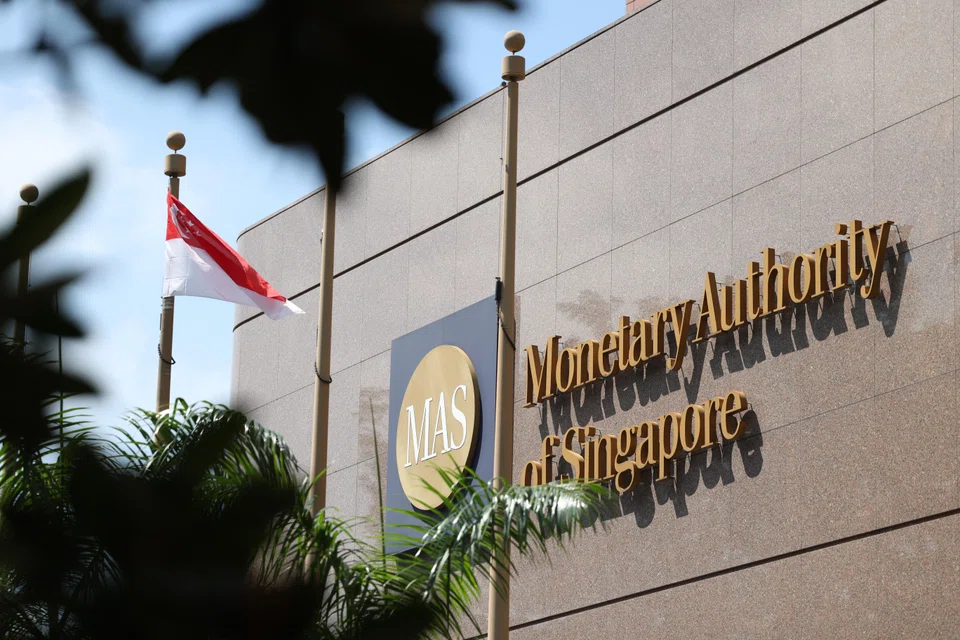
The Monetary Authority of Singapore (MAS) had announced on Aug 2 that it had set up a review group to recommend measures to strengthen the local equities market.
The move came three months after a Financial Times report said there had been a “shift in thinking” in Singapore about the importance of a thriving stock market to its standing as a global hub for business and finance.
The report quoted sources as saying that there is now a willingness to consider “maverick” policies, and that even the idea of investing Singapore’s “pension money” in the local market was on the table.
This sparked excitement in the weeks that followed among some market watchers about the possibility of GIC being made to invest a portion of its funds in Singapore stocks.
Second Minister for Finance Chee Hong Tat said in Parliament last month, however, that having GIC invest in locally listed companies is “not the solution” as this would undermine its purpose.
Nevertheless, the creation of the new review group – which Chee is chairing – suggests that a more vibrant stock market is now a high priority for the government.
What if global market turmoil persists in the months ahead? Will that result in any recommendations by the review group falling flat?
The recent market volatility seemed to revolve around a few broad themes. One is the growing concern that the US economy might be faltering after an extended period of tight monetary policy.
Another is that rate hikes in Japan may lead to an unwinding of the yen carry trade.
Then, there is the possibility of a wider conflict in the Middle East, the risk of worsening US-China trade tensions, and the danger of elevated valuations in the technology sector suddenly deflating.
While the markets stabilised over the course of last week, these concerns will probably not completely dissipate.
Heightened risk aversion might not be a bad thing for the Singapore market, though. The relatively high dividend yields offered by Singapore’s leading stocks and real estate investment trusts could be attractive to global investors seeking diversification amid all the volatility.
The way I see it, this is as good a time as any for Singapore to take bold new measures to revitalise its stock market.
Realigning interests
The review group may face some initial scepticism, in my view.
Singapore has already introduced a number of initiatives to boost the local market in recent years. These include providing grants to defray the cost of seeking a listing on SGX, and to help develop local equities research talent.
The Anchor Fund @ 65 and the Growth IPO Fund were also set up to shepherd promising companies towards listings in the Singapore market. The two funds have so far invested more than S$500 million in a total of nine companies.
Special purpose acquisition companies – or Spacs – were allowed to list on SGX in order to provide companies with an alternative route to a public listing that offers greater certainty of price and execution than an initial public offering.
It is probably fair to say these moves have not improved the vibrancy of the market.
So, why would the new review group be a game changer?
This column has previously asserted the fundamental problem with the local market is that a prolonged period of underperformance has resulted in a misalignment of interests across the public market ecosystem.
Unable to garner decent market valuations, companies have become less inclined to fully meet the obligations of their public-listed status.
Instead of working to increase the value of their companies, controlling shareholders now often try to squeeze minority investors out with lowball offers.
When these offers succeed, investors are left doubting the effectiveness of the boards and regulators they rely on for protection.
The result is that everyone blames everyone else for the chronically weak stock valuations in the local market, and the dearth of exciting new listings.
MAS said the review group will study ways to galvanise greater private sector participation in the effort to strengthen the local market, including from capital market intermediaries, investors and listed companies.
The review process will involve stakeholders with expertise and experience in capital markets, including corporate finance, investment banking, asset management, legal services and corporate governance, MAS added.
The success of the review group may depend on its ability to effectively bring together key stakeholders in the local market, and find a way to realign their interests.
Spurring demand
What will it take to spark a new wave of excitement about investing in the Singapore market?
My own instinct is that credible growth plans and value unlocking initiatives are potent drivers of investor interest in locally listed companies.
Major restructurings at Keppel and Sembcorp Industries in recent years to unlock value and focus on reliable growth drivers sparked big re-ratings in their shares.
Singtel’s shares have also risen strongly over the last few months, on a sustained asset monetisation programme and the introduction of a “value realisation” dividend.
However, such value-unlocking initiatives can run up against the vested interests of controlling shareholders, who may prefer to simply take the company private as cheaply as possible.
One way to address this is to take a leaf from the Tokyo Stock Exchange and require underperforming companies trading at low valuations to disclose plans to turn things around.
More could perhaps also be done to widen investor interest and spur demand for shares of companies that have significant growth and value unlocking potential.
This brings me back to the market chatter about the possibility of having GIC invest more in the local market.
Whether the funds are allocated to the local market by GIC or Temasek or some other government-linked entity is not important. What matters is that the pool of savings that Singaporeans have accumulated finds its way into the local market in a manner that generates good returns, and improves the attractiveness of the equities market.
This could be achieved by the funds being farmed out to private sector fund managers with mandates to actively invest in companies with value-unlocking possibilities, visible growth drivers and the potential to expand globally.
With careful handling and some luck, this channelling of Singapore’s savings into local stocks might help draw more and more investors into the market, and create a more conducive environment for promising companies to raise capital and grow.
TRENDING NOW

China Investment Corp, PGIM’s 50% stake in Nex mall up for sale; asking about S$1.2 billion

Higher rates, weaker spending: Is the Philippines entering stagflation?
Singapore tech stocks plunge as Nasdaq bloodbath spills into region
OCBC wealth clients turn defensive amid market volatility as Q3 profit rises 3%

