

Minority shareholders astir; time for independent directors to respond
BEAUTY products seller Best World International is the latest addition to a growing list of Singapore Exchange-listed entities whose minority shareholders are agitating for change.
Emboldened, perhaps, by the examples of others, and quite likely irritated by long-languishing valuations, Singapore’s minority shareholders are taking a stand.
A group of shareholders on Mar 22 sent Best World a letter requisitioning an extraordinary general meeting (EGM) where they hope to remove three directors, get some accountability on director remuneration, and set in motion a plan for extracting more cash out of the company.
The day before Best World announced the receipt of the letter, cord blood banker Cordlife Group said it had received two requisition notices. Two different substantial shareholders are trying to add to their representation on the board.
Other listed entities that have received requests from minority shareholders in the last six months are: lab-grown diamond producer Metech International , insurer Great Eastern Holdings , real estate investment trust Sabana Reit , business trust Dasin Retail Trust , rabbit meat producer China Kangda Food Co , and construction services provider Raffles Infrastructure Holdings .
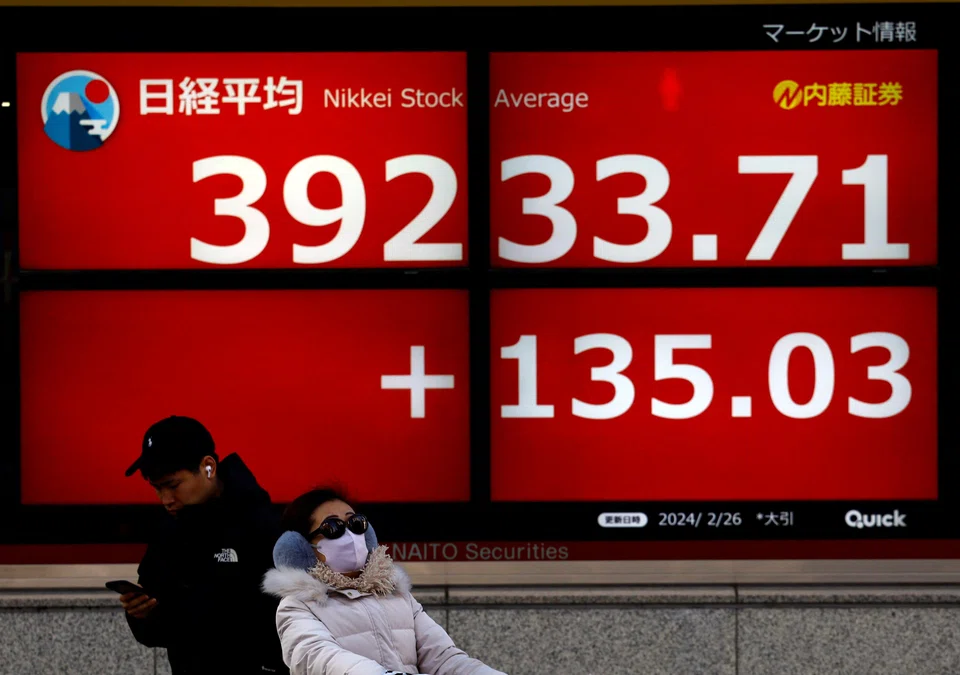
This flurry of activity is taking place against a backdrop of increased shareholder activism and greater focus on corporate governance in Japan and South Korea, which has in turn galvanised their boards and injected life into their stocks.
Will it soon be Singapore’s turn to see a similar surge?
The seeds of Japan’s activism wave may have been sown in 2019, when the nation’s companies received what was then a record high of 54 shareholder proposals from institutional investors.
This high number of proposals may, however, have been as much a symptom as a cause.
At a 2020 seminar on shareholder activism in Japan, Jeffrey Gordon, the Richard Paul Richman Professor of Law at Columbia Law School, noted a change in attitudes around that time among investors and government actors.
Shareholder activism became more widely accepted – as suggested by activist proposals winning larger vote shares – and government-linked investors became more concerned about value creation.
Other speakers at the same seminar noted also that board compositions were beginning to favour independence, and that independent directors were slowly growing to accept a role as mediator between management and institutional investors.
Singapore’s current wave of activism is unique because it is being driven mostly by individual shareholders, who are less likely to be received with the same level of courtesy or seriousness accorded to big money managers.
Their path to making a significant impact could, therefore, be a little bit steeper. Yet, independent directors have a chance to ease their burdens. How?
Several insightful suggestions were offered at the seminar by speakers from fund managers and activist investors.
Directors should be alert to and manage potential conflicts of interest, such as how executives are compensated, directors nominated and hostile bids treated.
They should communicate more to shareholders. They can, for instance, enhance the credibility of a company’s strategy by explaining key considerations and how they contributed to the discussion or questioned a decision.
Finally, they should meet more shareholders to get more perspectives. When directors spend most of their time with each other, one speaker said, they gradually get used to that atmosphere.
For an independent director, such stagnation should be anathema.






