

More cancer survivors are returning to work. Are employers ready to support them?
While some companies are willing to help such workers, efforts remain inconsistent

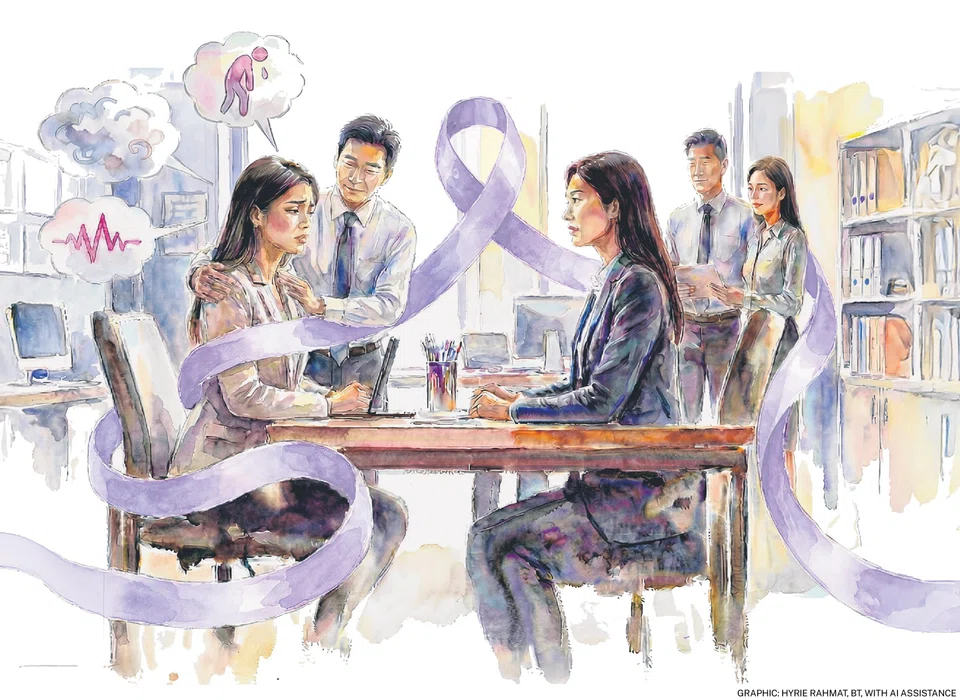
[SINGAPORE] When Rachel (not her real name) was diagnosed with Stage 3 nasopharyngeal cancer at the age of 51, she assumed her biggest battle would be treatment.
Instead, one of her toughest challenges came later: returning to her job as support staff in an international school.
As more cancer survivors return to work, employers increasingly face the question of how to support them – but efforts on the ground remain inconsistent, even as Singapore marks National Cancer Survivors Month in June.
Rachel was diagnosed in July 2024. When she returned to work in June 2025, she found that once-simple tasks – such as carrying stacks of examination papers or walking across the sprawling campus – had become physically draining.
“I was struggling to be full force at work because of the side effects I was going through,” says Rachel, who had worked there for about 16 years before her diagnosis.
“There was a lot of fatigue, and mentally, it was difficult for me to perform my normal functions.”
She felt that her supervisors did not fully grasp the lingering effects she was facing, despite medical memos and requests for lighter duties.
Having asked for a gradual transition back to the office, she was allowed to work from home once a week. But after two months of this, she had to be in the office every day.
Her health deteriorated in the months that followed, and Rachel eventually resigned in December. She has not sought work since, fearing a repeat of the experience with future employers.
“I’m not scared of doing my job. I know I can do the job, it’s only that I need time,” she says. “Maybe (for) the work I used to do in 30 minutes, now you give me one hour.”
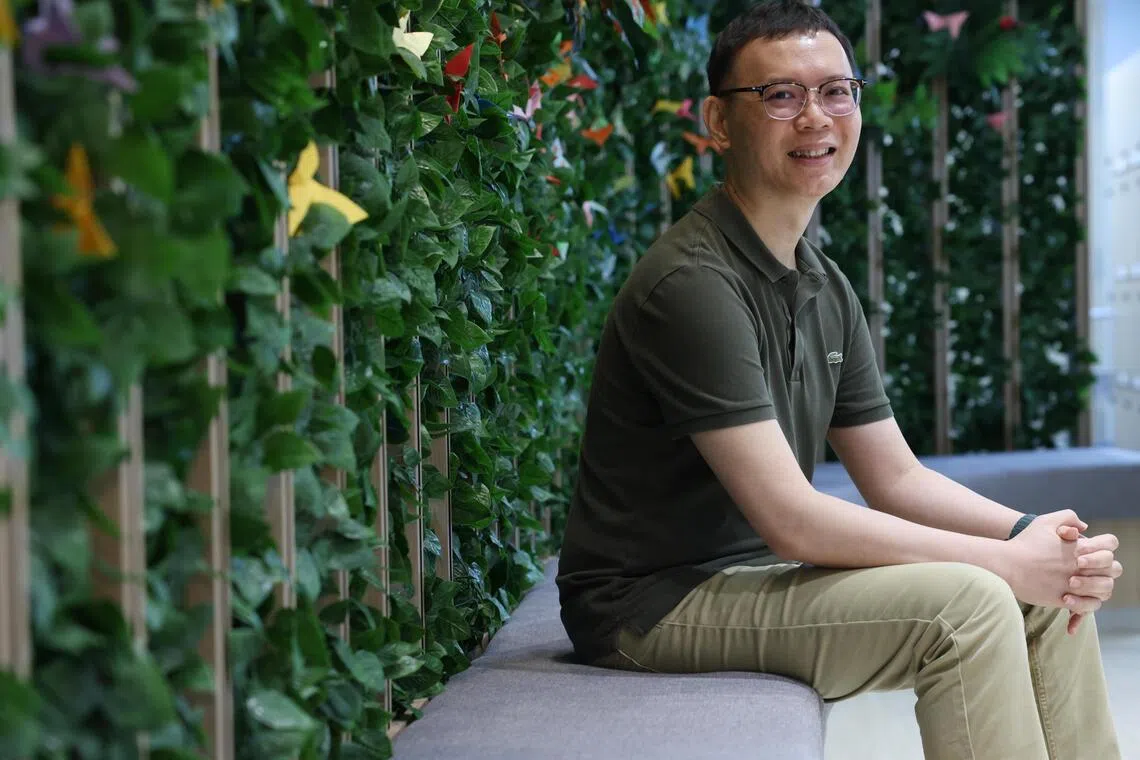
In contrast, Dr Ryan Teo, a cancer genomics application scientist, found that his employer’s support eased some of the uncertainty around treatment and recovery.
When he was diagnosed with Stage 3 Hodgkin’s lymphoma in 2025, his managers encouraged him to “take as much time” as he needed to recover, while keeping in touch about his eventual return and possible adjustments to his role.
Dr Teo had expected to use up both his hospitalisation and annual leave. Instead, his company extended his paid hospitalisation leave beyond the statutory 60 days and gave him additional time off to recover from chemotherapy and its side effects.
“I really think that the support they offered me is beyond fair,” says the 39-year-old. “It actually exceeded my expectations by a huge margin.”
A growing challenge
According to the Singapore Cancer Society, one in four Singapore residents is expected to develop cancer by the age of 75.
In recent years, the incidence has risen sharply for those in their 30s and 40s – years associated with peak career and family responsibilities.
From 2019 to 2023, there were 4,995 cancer diagnoses among those under 40, up 34 per cent from the 3,729 cases between 2003 and 2007, based on the latest Singapore Cancer Registry Annual Report.
At the same time, survival outcomes for common cancers such as breast, prostate, colorectal and lung cancers have improved, reflecting advances in treatment and earlier detection.
As more Singaporeans survive cancer in their prime working years, helping them stay in work is increasingly important.
A 2024 report estimated that improving labour force participation and productivity among cancer survivors could raise annual workforce output by 7.3 billion euros (S$10.9 billion) over the next three decades.
The report, which was by the Organisation for Economic Co-operation and Development, was based on a study of 51 countries not including Singapore.
In response to queries from The Business Times, the Ministry of Manpower says it does not track the employment outcomes of cancer survivors.
But it notes that in 2025, about 15 per cent of residents outside the labour force were not working due mainly to poor health or old age, including those with long-term conditions such as cancer.
The majority did not intend to look for a job in the next two years.
Healthcare workers say survivors could be discouraged from returning to work because of lingering treatment side effects, fear of discrimination, or concerns about having their needs accommodated.
The challenge of reintegrating cancer survivors into work is “likely to become increasingly significant” as Singapore’s population ages, says the Singapore National Employers Federation (SNEF).
Addressing this requires more flexible workplace practices and continued coordination between employers, workers and the government, adds SNEF.
The invisible symptoms
One hurdle is that the lingering effects of cancer treatment may not be immediately visible.
When someone returns to work, they may look normal on the surface. But employers often do not see the “invisible symptoms” and underlying challenges they are still experiencing, says Jason Ho, a senior social worker at the Singapore Cancer Society who supports survivors returning to work.
These can include cancer-related fatigue; “brain fog”, which affects concentration and memory; and neuropathy, which can cause numbness and balance issues.
The symptoms may be caused by the cancer itself or treatments such as chemotherapy, radiotherapy and surgery.
Dr Alexandre Chan, a visiting professor at the National Cancer Centre Singapore, says many survivors continue to face physical, psychological and cognitive difficulties even after treatment.
“A lot of these folks are just not able to function 100 per cent like before cancer,” he says.
In his 2022 study of adolescent and young adult cancer survivors in Singapore, more than half of employed survivors reported impaired work outcomes, including absenteeism, reduced work ability and work reallocation.
Nanyang Technological University Assistant Professor Akshar Saxena says presenteeism is among the hardest effects to measure, and the productivity loss it represents can be substantial.
“These are people who have technically returned to work but are not functioning at their previous capacity,” says the health economist, who is studying workforce participation and presenteeism among cancer patients with the National Cancer Centre Singapore.
Such productivity gaps rarely show up in official statistics, he adds.
Workplace realities
Anecdotally, more employers are now willing to support workers who return after serious illness – but provisions on the ground remain uneven, says National Trades Union Congress (NTUC) assistant secretary-general Melvin Yong.
This is despite the Tripartite Guidelines on Flexible Work Arrangement Requests, under which employers should consider flexible schedules, workplace adjustments and modified duties, and work with employees on practical arrangements that support their needs.
“Return-to-work practices are still largely dependent on individual employers’ readiness, and these practices can vary significantly,” says Yong.
Some workplaces are better able to accommodate reduced or fluctuating work capacity, he adds. Small and medium-sized enterprises (SMEs) – which employ about 70 per cent of the local workforce – may find this particularly challenging.
Jeffrey Tan, director of programmes and partnerships at SBF Foundation, says SMEs often have leaner teams, less formal human resources structures and limited financial buffers to absorb productivity fluctuations.
“For many SMEs, it is still handled on a case-by-case basis rather than as a formal workforce policy,” he says.
Yet, SMEs can also be more agile if “strong leadership commitment” allows them to implement flexible arrangements quickly and in a more personalised way, he adds.
Reintegration also varies by sector. It tends to be easier in knowledge-based or corporate roles, he says, than in physically demanding or shift-based front-line sectors such as construction, manufacturing, logistics, retail, and food and beverage.
Support may even vary across teams. Aslam Sardar, chief executive officer of the Institute for Human Resource Professionals, says organisations often struggle to apply accommodations consistently because departments may have different pressures, resource constraints and priorities.
As a result, despite formal policies, returning employees may have very different experiences even within the same organisation, he adds.
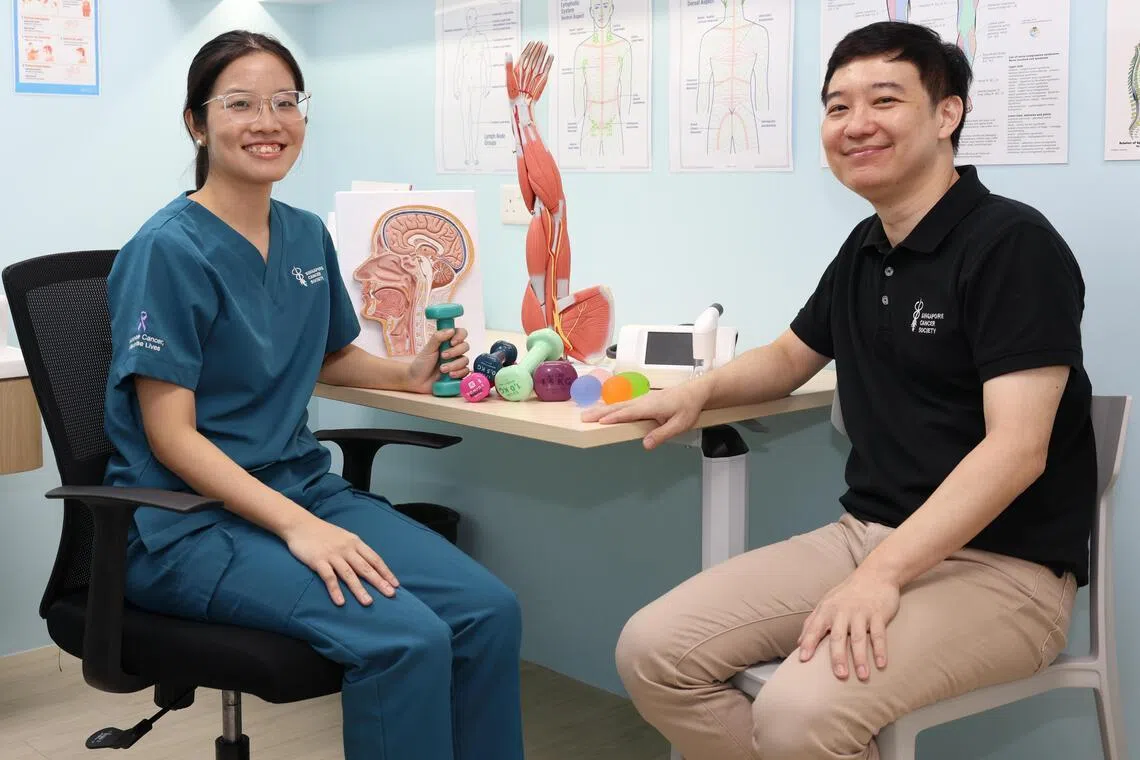
Much of the return-to-work experience is shaped by how managers and co-workers respond, say social worker Ho and the Singapore Cancer Society’s principal occupational therapist Shanice Yeow.
While leadership may endorse inclusive practices, managers are often the ones balancing daily operational pressures and team workloads, notes Ho.
This means formal measures may not always translate smoothly into workplace arrangements on the ground.
“The training, education and awareness should not just be at management level, but (also with) middle managers and even the colleagues,” says Yeow.
A lack of understanding among co-workers can also affect how comfortably survivors reintegrate, she adds.
The business case for support
Workplace accommodations naturally benefit survivors and their families. But employers, too, stand to gain.
Misconceptions can shape how some employers view staff who return after serious illness, says Aon Singapore head of health solutions Francis Ng.
Employers may assume such employees will drive up the company’s medical costs or struggle to perform at previous levels.
But “when physical, mental and financial needs are addressed holistically”, many individuals are able to return to sustainable, productive work and remain valuable contributors over the long term, he says.
He adds that employers often underestimate how targeted support – such as mental health services, help with coordinating medical care and flexible work arrangements – can reduce absenteeism and turnover while improving engagement.
“Well-designed benefits are not simply an expense, but a tool for strengthening workforce resilience and overall business performance,” he says.
Prof Saxena says firms should not focus on the immediate operational costs of accommodation, but weigh these against the longer-term cost of losing experienced workers.
“The worker is not a new hire with uncertain productivity. This is someone whose skills, experience, institutional knowledge and team relationships have already been built up over time.”
While a returning worker may have lower capacity in the short run, there are costs to replacing them too, he adds. These include recruitment, training, loss of firm-specific knowledge and disruption to teams.
How employers treat cancer survivors can also shape staff morale and loyalty, says Singapore Cancer Society’s Ho.
Employees who see a colleague sidelined after cancer may wonder how they themselves might be treated if seriously ill.
“If I don’t have that safety net or loyalty from my employer, then if I have a better opportunity, I’ll leave,” he adds, warning that companies could lose experienced and skilled workers through higher attrition.
Addressing gaps
As Singapore’s workforce ages and chronic illnesses become more common, employers will have to rethink how work is structured, and how workers are supported through illness and recovery.
Yeow says a successful return should not be defined by whether survivors immediately resume their previous workload. Some may require temporary job modifications or flexible arrangements, she notes.
This means helping workers adapt to their “new normal” – contributing meaningfully at a level suited to their physical and cognitive capacity, with employers and co-workers understanding the limitations they face.
Many survivors eventually return to their original roles through phased workloads and gradual adjustments, she says.
Associate Professor Helen Ko of the Singapore University of Social Sciences says that cancer survivors and workers with chronic illnesses should be viewed much like employees who have caregiving responsibilities or are raising young children.
“All these individuals are likely to require different forms of accommodations to maintain their productivity,” says Prof Ko, who is a cancer survivor herself.
Ultimately, supporting and retaining such workers cannot remain a matter of voluntary good practice, says Prof Saxena. “It has to become part of workplace norms, employment legislation and manpower policy.”
Helping employers help employees
Many employers are willing to do more, but may lack the practical know-how, frameworks or support to translate this into effective arrangements, says NTUC’s Yong.
He sees a “strong case” for a more structured and proactive return-to-work framework, with earlier intervention, shared responsibility across stakeholders and workplace-based solutions.
This should feature clearer norms and expectations for how employers support workers returning after serious illness; earlier support; and better coordination across healthcare and employment systems.
In the upcoming tripartite Alliance for Action on safety and health for employment longevity, the labour movement will call for measures such as job redesign, stronger SME support for return-to-work arrangements, and better job matching based on functional abilities.
Separately, Prof Ko suggests extending the Workplace Fairness Act to cover discrimination faced by cancer survivors returning to work.
The Act, which takes effect at the end of 2027, prohibits adverse employment decisions based on protected characteristics including disability and mental health conditions.
“It would be useful to consider if this Act can be invoked for cancer survivors experiencing discrimination,” she says.
Prof Saxena also notes gaps in how workers recovering from serious illness are assessed for returning to work.
“The system still tends towards a binary: fit or unfit,” he says.
“What would be more useful is certification that specifies functional capacity – what the worker can do, at what intensity, and for how long. That gives employers something practical to work with.”
Holding space
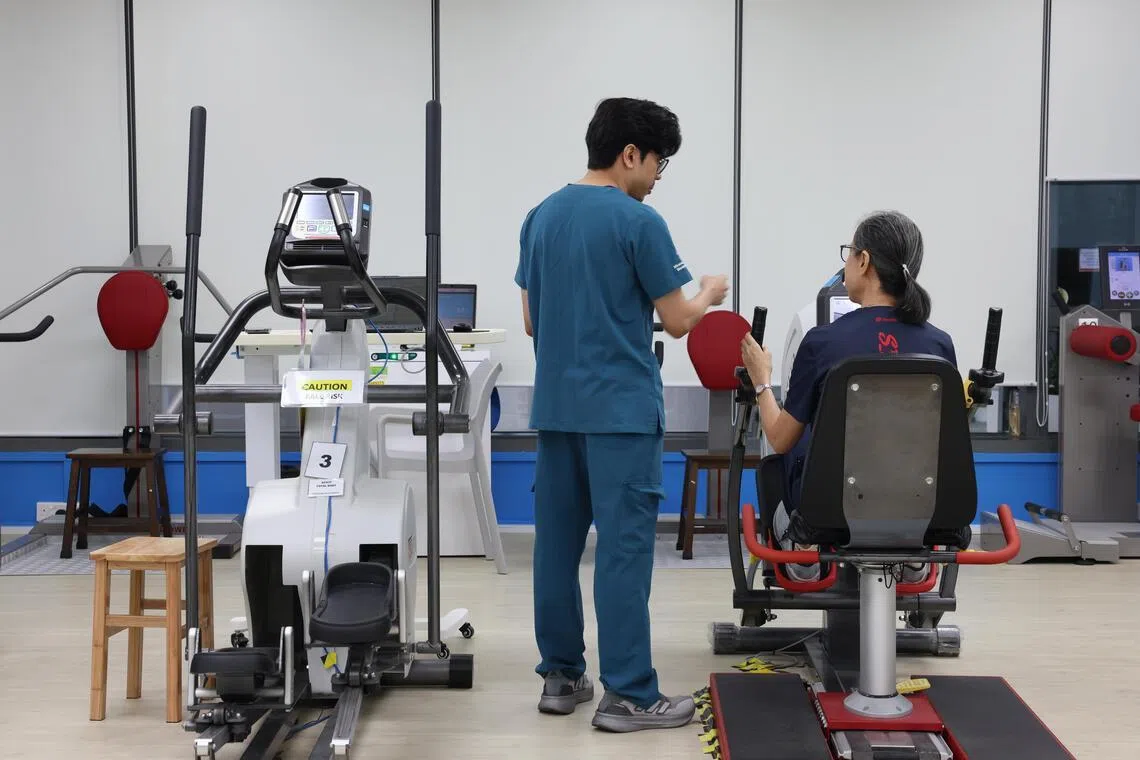
While workplace discussions are still evolving, the Singapore Cancer Society’s return-to-work programme helps survivors reintegrate while guiding employers on accommodations.
“Sometimes, employers just need guidance on what the person is able to do, or reassurance that recovery may not be linear,” says Ho.
For Dr Teo, the application scientist, one of the most important things employers can do is to create space for honest conversations.
Workers recovering from serious illness may not immediately know what support they need, while employers may be uncertain about what accommodations are reasonable, he says.
“But if both sides are willing to talk openly, it becomes much easier to figure things out together.”
By speaking about his own experience, Dr Teo hopes to raise awareness about the challenges cancer survivors face in returning to work – and encourage more supportive workplace conversations.






