Multibillion-dollar effort is timely to wean more nations off coal
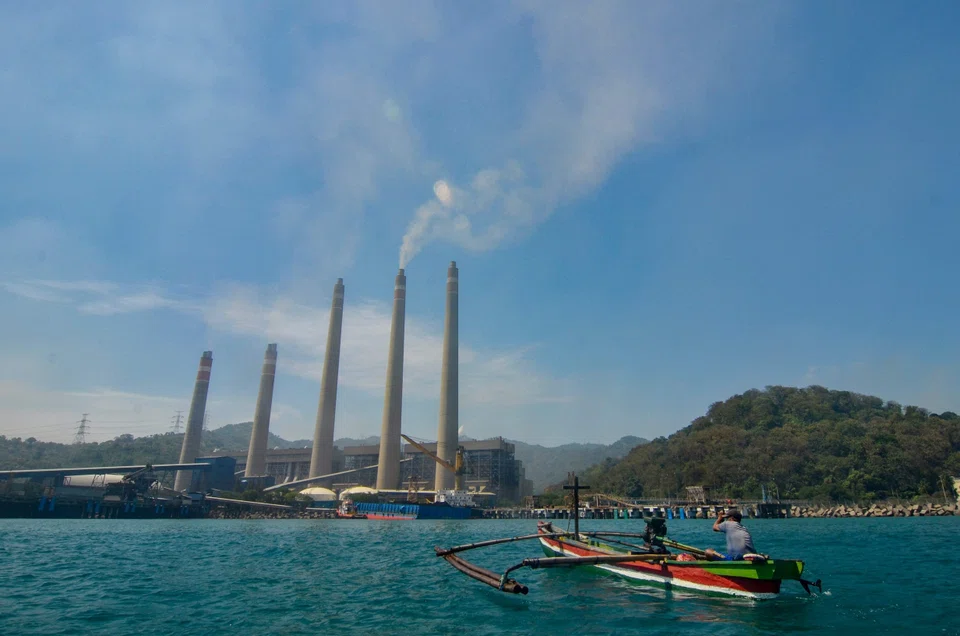
LAST month, on the sidelines of the G20 summit in Bali, the host nation Indonesia scored a major coup when it was announced that the European Union and several G20 governments had pledged US$20 billion in private and public financing to help South-east Asia’s largest economy phase out its main energy source – coal.
It’s a major initiative under the Just Transition Energy Partnership (JTEP), which aims to guide Indonesia away from fossil fuels and steer it towards renewable sources.
A week ago, the G7 industrialised nations said that they have pledged US$15.5 billion to help Vietnam transition away from coal, also as part of the JTEP. These are significant measures and sums, and they come hot on the heels of a US$8.5 billion deal that was announced at last year’s COP26 summit in Glasgow to help South Africa reduce its heavy dependence on coal.
As more countries commit towards a greener future, one way is to look at how to facilitate a smooth transition away from coal. According to the Powering Past Coal Alliance, countries within the Organization for Economic Cooperation and Development and the EU are on pace to shut more than 75 per cent of their coal power capacity from 2010 to 2030.
It’s a positive sign that governments around the world, especially those of wealthier nations, are committing large resources to invest in renewables to speed up this transition away from power that is generated by coal and gas.
As French President Emmanuel Macron noted in an address to world leaders in Bali when the Indonesia deal was made public, it’s the first time that the G20 has taken such a clear position on the importance of making this gradual exit from coal.
All eyes will be on Indonesia’s progress over the coming years and decades, given that the country and its population of 276 million rely heavily on coal for the bulk of its energy consumption.
Over the past decade, its coal production has also soared by 105 per cent. It’s a tall order – but an achievable goal, nonetheless – to bring these numbers down, while bearing in mind that coal is an abundant resource in Indonesia and has been used for decades as the cheapest and most efficient way to electrify the entire country.
As countries accept these large amounts of funding, it’s important to hold them accountable and ensure they can deliver on the targets set for them. In Indonesia’s case, the government has promised to bring forward the carbon neutrality for its power sector by 10 years. Indonesia has also pledged to cap its carbon dioxide emissions from this sector at 290 million tonnes by 2030 – seven years earlier than the original deadline.
Similarly, the G7 and other nations will keep a close eye on what Vietnam accomplishes with its efforts to reduce its usage of coal. According to the BP Statistical Review of World Energy, Vietnam was the world’s ninth-largest consumer of coal in 2021 and made use of coal to produce about half of its total electricity needs.
Foreign investment is but one way to move the needle in the right direction, however long it might take. What the likes of Vietnam, Indonesia and other emerging economies must do effectively is to introduce and implement the necessary policies, and ensure every stakeholder does their part and stays committed to the cause over the long term.