

Net-zero goals: Talk is cheap if Singapore corporates lack a road map
Businesses need to spell out a clear pathway for cutting carbon emissions

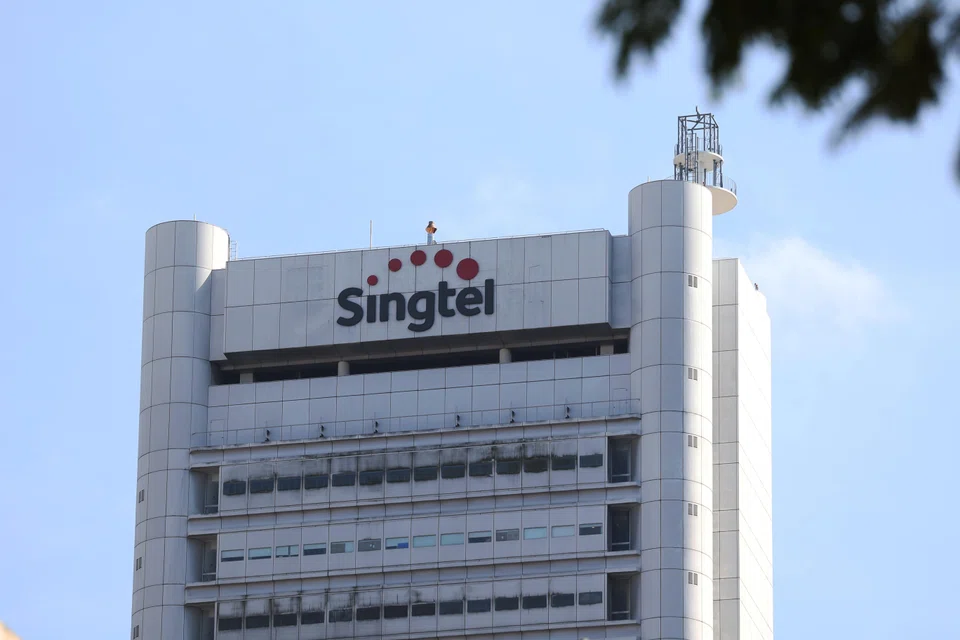
A SIZEABLE number of Singapore companies want to hit net-zero emissions by 2050. But such talk is empty if not accompanied by realistic strategies, with real accountability if companies fail to meet their promises.
A study released on Monday (Jul 8) showed that over 70 per cent of Singapore-listed companies valued above S$1 billion – such as Singtel, Singapore Airlines and CapitaLand Investment – aim to cut their greenhouse gas emissions to a net-zero level by 2050.
Net zero means that the amount of greenhouse gases released should not exceed the amount removed through methods such as reforestation or carbon offsets.
These targets are in line with the Paris Agreement, the 2015 landmark climate deal in which countries agreed to limit the global temperature rise to 1.5 degrees Celsius from pre-industrial levels. To achieve this, global emissions need to be nearly halved by 2030 and hit net zero by 2050.
The high rate of target-setting in Singapore is a positive sign, said the study, conducted by the Accounting and Corporate Regulatory Authority and the National University of Singapore’s Sustainable and Green Finance Institute.
That said, over half of the 51 companies studied did not spell out interim milestones towards their net-zero targets. Such an omission makes it challenging to assess how effective these companies’ climate strategies really are, and can lead to greenwashing risks.
There also appears to be a disconnect between climate and financial strategies. The study found that only 16 per cent of the companies fully disclosed how they incorporated climate risks in their financial planning – such as preparing for the revenue impact of rising sea levels and heat stress.
And only 4 per cent made full disclosures on using internal carbon pricing in business decisions. Singtel, for instance, levies a carbon fee averaging at S$50 per tonne for any capital and operating expenditure that emits more than 100 tonnes of carbon over its lifecycle. Such a mechanism accounts for the externalities of carbon emissions that are not priced into fossil fuels.
While Singapore’s largest listed companies have taken a stance on fighting climate change, there is still some way to go in demonstrating how exactly this will be achievable. More importantly, companies need to show that they have skin in the game – whether it’s through setting up incentives that will nudge them towards renewable energy, or penalties that they will pay if they remain reliant on fossil fuels.
It’s not just companies that will have to step up, but other stakeholders will need to hold them accountable as well – such as investors, ratings agencies, the business media and regulators.
A 2023 study found that for companies that set emissions targets ending in 2020, there was “limited evidence of accountability and low awareness of the target outcomes”.
Out of the 1,041 companies studied, 88 had failed their targets. But only three of the failed companies were covered by the media.
When a company initially set its emission target, there were positive reactions in the media and environmental scores, said the study. But after the company failed its target, there was no “significant market reaction”, nor changes in media sentiment and environmental scores.
To avoid this situtation in Singapore, corporates’ net-zero targets should not be viewed in silos, but in the full context of how robust they actually are and whether anyone will be keeping tabs.






