

Netflix or Paramount? Either way, the sale of Warner Bros will shake up the global media landscape
How this plays out is still somewhat up in the air, especially since regulatory approval of the deal is needed

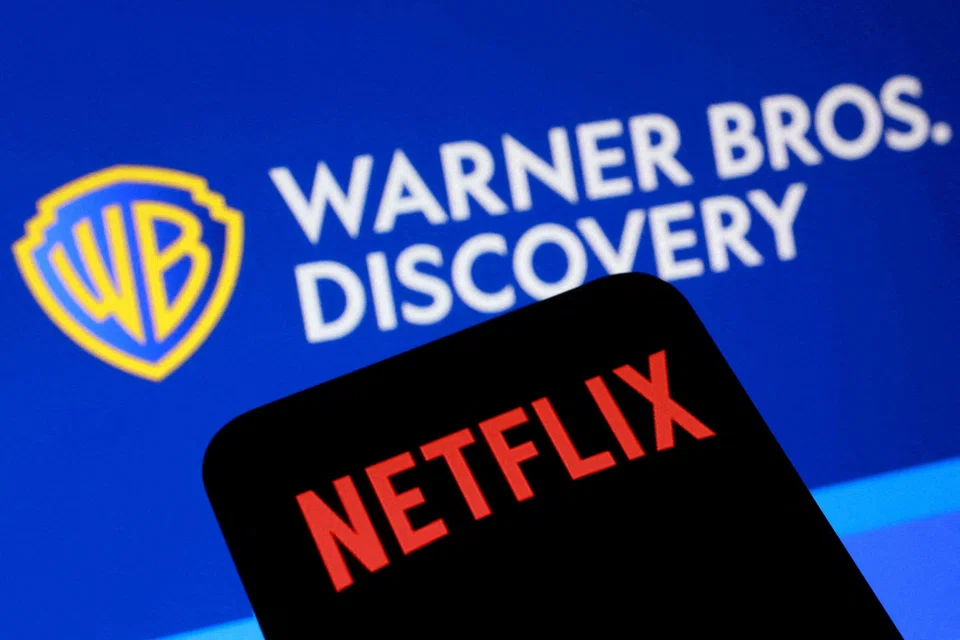
ONE of the mega deals that could have ramifications on the global media entertainment landscape is the fight for Warner Bros Discovery.
The target is a film studio with 102 years of history behind it, one with franchises such as Harry Potter and Superman and popular networks such as Discovery in its stable.
Warner Bros had earlier agreed to sell its movie, television and streaming assets to streaming giant Netflix.
But Paramount Skydance, which just a year ago was plain Paramount, but has since undergone its own US$8 billion merger, is also keen.
It has blockbusters Top Gun and The Godfather to its name, and owns networks such as CBS, MTV and Nickelodeon.
Paramount, led by David Ellison, the son of Oracle founder and billionaire Larry Ellison, recently beefed up its offer, but Warner Bros is, for the moment, sticking with Netflix.
How this plays out is still somewhat up in the air, especially since regulatory approval of the deal is needed, and US President Donald Trump has declared that he will get personally involved.
First things first: Concerns are rife that whichever way it goes, consumers will end up being worse off. Netflix or Paramount are likely to want to consolidate products and operations for efficiency and to manage costs. With one fewer competitor, customers might have to pay more, especially as the successful bidder will have access to a much wider content library.
Next, there is apprehension about what impact the deal will have on the workers, as well as the output of the movie industry. Hollywood has already been battered by Covid-19, falling audience numbers, competition from streaming providers and the threat of artificial intelligence. This may not be a death blow, but could come close.
In Singapore, the impact could certainly bring higher prices if Netflix is successful, given that it will gain the upper hand in being able to offer much more content.
Indeed, while movie-going remains an enjoyable experience with the cinema’s professional sound systems and high-tech digital formats, 2025 has been the year when Singapore’s own movie industry made the news for the wrong reasons.
Independent cinema The Projector shut up shop, and former Cathay Cineplexes operator mm2 Asia is under a raft of debt-repayment demands.
In any case, streaming is so prevalent these days that consumer behaviour has changed. Viewers’ attention spans are much shorter; people value choice and variety as well as the on-demand nature of the series, movie or programme.
After all, on-demand streaming offers flexibility in that members of a single household can watch different shows at different times, and even on separate devices.
Some analysts may question Netflix’s content quality, but global hit Squid Game was a Netflix original series, which goes to show that – streaming format or not, and on a small screen at that – good content will resonate.
People head to the cinema far less often these days, and if they do so, it is mainly to catch the blockbuster thriller which plays better on a wide screen, or to watch Oscar-nominated shows.
One positive of streaming platforms, however, is that Singapore-produced content can be made available to a wider audience.
Regardless of who the new owner of Warner Bros is likely to be, watch this space for how the deal will reshape movie-making, streaming platforms and the broader media landscape, globally and in Singapore.
Whether the changes will be for the better remains to be seen.
TRENDING NOW

If Europe goes to war, the fallout will be felt in East Asia
Keppel posts 20% rise in Q3 net profit; New Keppel earnings up 15%

CICT Q3 NPI rises 13.8% to S$334.9 million on contributions from Paragon and other acquisitions
Stocks to watch: Keppel, CICT, MLT, Golden-Agri, Wilmar, CDLHT, FEHT, UltraGreen.ai

