New momentum for German energy transition
ON APR 15, 2023, Germany shut down its last three nuclear power plants. This move not only makes energy supply safer by ending a high-risk technology, it keeps Germany on course for an environmentally compatible, cost-effective and secure energy system that will also reduce the need for imports of fossil fuels from third countries.
This last step of nuclear phase-out is the logical continuation of a political effort stretching over decades, which led to a steady decrease of nuclear energy in the German energy mix. Within the last 20 years, the share of nuclear energy in electricity has fallen from a good 22 per cent to just under 5 per cent in 2023.
Recent demand analysis has shown that security of supply is ensured in the coming winter even with the last three nuclear power plants deactivated. The electricity grid can be operated safely, and there will be no load shortfall.
Germany remains electricity exporter
The German electricity production level will continue to exceed its energy demand. Hence there is no need for replacement by importing nuclear energy from neighbouring countries. In the integrated EU energy market, cross-border electricity trading is encouraged and made possible via interconnectors. There is no question that electricity imports to Germany may occur at certain times on certain interconnectors. Since each EU member maintains its own energy mix, it is therefore also technically likely that Germany occasionally imports nuclear power from neighbouring countries. More decisive, however, is the fact that Germany’s total electricity production covers its own needs. Due to the surplus produced during periods of strong wind or sunshine, Germany will remain an electricity exporter in the overall balance.
Energy transition is on track
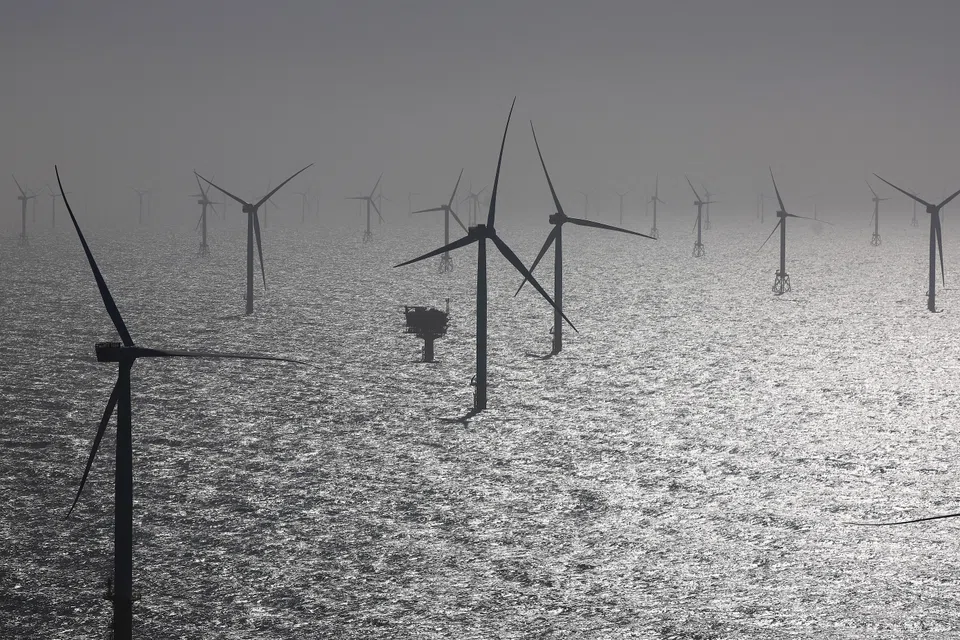
Germany continues to focus on the transition of its energy sector, especially through the massive expansion of renewable energies. Germany has pledged to be one of the first climate-neutral industrialised countries by 2045. As early as 2030, 80 per cent of German electricity is to come from renewables, with rising electricity demand taken into account. Germany aspires to exit coal by 2030.
There is no denying that to ensure affordable and clean energy supply, massive efforts and investments need to be undertaken. In numbers: In Germany, four to five wind turbines, more than 40 soccer fields of photovoltaic systems, 1,600 heat pumps and 4 km of transmission networks need to be built every day. To achieve this feat of strength, Germany has significantly reduced planning and approval times for the construction of energy plants, storage facilities and transmission systems. Offshore wind farms are now to be approved, built and connected more quickly. On land, there is a binding area target of 2 per cent for wind power. The expansion of renewables has legal priority over other legal interests. And a government initiative has mapped out the way to expand the charging infrastructure nationwide so that 15 million electric cars can be on the roads by 2030.
In Brussels – as part of the European Green Deal and the implementation package “Fit For 55” – the EU and Germany alike strive for similar objectives and legal measures.
Energy security in a time of global shifts
The momentum for a move towards a more sustainable energy system has even grown despite recent geopolitical disruptions. The Economist recently stated: “Our findings suggest that the crisis caused by the war in Ukraine may in fact have accelerated the green transition by an impressive 5 to 10 years.” To find a way out of risky dependencies and away from fossil fuel, each country will have a different approach depending on their pre-existing energy sources and infrastructures. For Germany, the picture is as follows: Already in 2022, most of the shortfall caused by the absence of Russian gas was made up by energy savings as well as an uptake of wind and solar energy, which at the same time saw the biggest growth in capacity than ever before. The renewable energy sectors continue to make the biggest progress both in technology and cost-effectiveness.
If anything, the events of the past year have shown that transition towards renewable energy sources is possible and needed more than ever. Singapore and Germany have a shared commitment to promoting innovation to this end. Prime Minister Lee Hsien Loong and Federal Chancellor Olaf Scholz agreed as much when signing the joint declaration “Partners for a Resilient and Sustainable Future“ in 2022, which includes enhancing business and co-innovation partnerships for renewable energy. For Germany, energy transition further includes termination of nuclear energy. In expanding renewable energies and adhering to the coal phase-out target by 2030, Germany strives to become future-proof, more independent and resilient.
Dr Norbert Riedel is ambassador of the Federal Republic of Germany to Singapore