

No letting-up: South-east Asia’s war against corruption
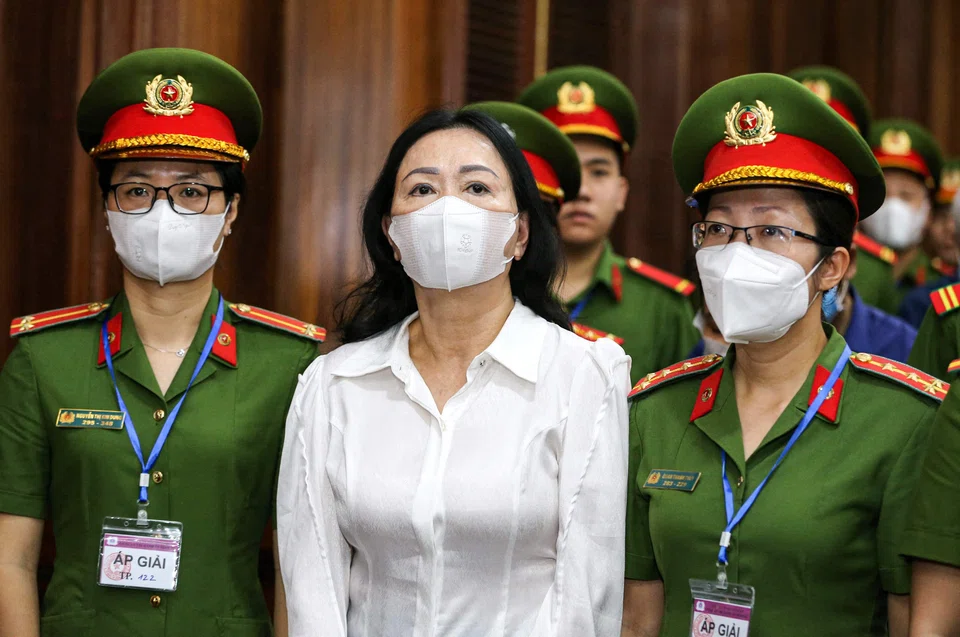
VIETNAM’S 10-year crusade against corruption reached a dramatic point recently when the country’s influential real estate magnate Truong My Lan was handed the most severe sentence – death – for masterminding the largest-ever fraud case in the region involving nearly S$17 billion.
The signal is crystal clear: Vietnam’s Communist Party will brook no mercy in its anti-corruption campaign, befittingly called “Blazing Furnace”. Launched in 2013, the crackdown has ensnared hundreds of senior state officials and influential business figures in Vietnam.
Vietnam’s latest fraud case involving Lan dwarfs Malaysia’s US$4.5 billion money laundering scandal involving state-owned 1MDB, but only as far as absolute sums are concerned. When it comes to reach, political implications and audacity, 1MDB arguably stands out as it involved major banks in multiple jurisdictions, including Malaysia, Singapore, Switzerland, the United States and the United Kingdom, as well as prominent personalities at home and abroad. Malaysia’s former prime minister Najib Razak was also convicted for corruption in the scandal.
As more corruption cases in Vietnam are likely to go to trial in the ensuing months or years, the profound gravity of the outcome in Lan’s case could cause some distress or unease in the business circles of one of South-east Asia’s fastest-growing economies.
This latest incident highlights the enormous challenges facing many countries in the region, as they tackle the widespread corruption that is endemic in both public and private sectors. It is especially a challenge for authorities striving to balance a business-friendly climate while avoiding extremely harsh regulations as they clean house to court the much-vaunted foreign direct investments to boost growth.
But regimes across South-east Asia cannot afford to take their foot off the pedal in their fight against corruption despite the complexities. Widespread corruption hurts businesses, public morale as well as the integrity of the country’s institutions. It can also stifle economic growth by deterring foreign investors. According to the 2023 Corruption Perceptions Index by Transparency International, in the region, the Philippines, Indonesia, Malaysia, and Vietnam face significant challenges on this front. These countries scored below 50 out of 100, a threshold that two-thirds of nations worldwide also failed to clear, highlighting serious corruption issues.
The exception was Singapore, which maintained its status as the least corrupt country in Asia and ranked fifth-least corrupt worldwide.
There are efforts across the region to battle graft. Under the leadership of Prime Minister Anwar Ibrahim, Malaysia has launched a vigorous crackdown on corruption over the past year. On its part, the Malaysian Anti-Corruption Commission has launched probes into powerful tycoons and established businesses, many of which thrived under former regimes.
Anwar’s anti-corruption crusade, however, faces credibility issues, amid accusations that the efforts are politically motivated given certain controversial pardons and personalities involved.
Other countries, too, need to raise the gear on their fight against corruption. Indonesia’s corruption perception index was unchanged in 2023. Efforts by the country’s Corruption Eradication Commission seemed to have stagnated since a new law came into force in 2019, eroding its powers.
This also bolsters the case for countries to strengthen their national anti-corruption agencies as independent and well-resourced agencies to ensure operational autonomy, adequate funding, and strong investigative powers.
The path forward is clear: relentless vigilance and uncompromising action against corruption are imperative to secure the future economic and social stability of South-east Asia. The going will get tough, but the campaign must go on.
TRENDING NOW

Chairman’s role in spotlight with raft of proposed new rules for Singapore boards

Director of PR firm sacked for secretly recording internal meeting loses wrongful dismissal claim

Indonesia stocks suffer worst plunge in nearly 30 years as MSCI proposes standalone status

If Europe goes to war, the fallout will be felt in East Asia

